When I first booted Windows on a brand‑new rig back in the early 2010s, I never imagined that a single operating system could become the battlefield for AI, security, and hardware revolutions. Yet here we are in 2026, and Windows has morphed into a platform where every update feels like a strategic move in a high‑stakes chess game. As a longtime power user, I’ve learned that thriving in this environment isn’t about passively installing patches; it’s about understanding the why behind each change, tailoring settings to squeeze out every ounce of performance, and staying one step ahead of the AI‑driven threats that now lurk in the background. In this post I’ll walk you through the most critical Windows trends of the year, share the tweaks that keep my workflow razor‑sharp, and point you toward the resources that have saved me countless hours of frustration.
AI‑Powered Features Are No Longer Optional
Microsoft’s latest rollout for Windows embraces AI at a level that would have seemed sci‑fi just a few years ago. From the integrated Copilot assistant that can draft emails, suggest code snippets, and even troubleshoot driver conflicts, to the background telemetry that constantly feeds a machine‑learning model to predict system bottlenecks, AI is woven into the OS fabric. This shift brings undeniable convenience, but it also demands a new mindset: you must regularly audit what data is being shared and which AI services are enabled. I’ve found that disabling the “Cloud‑Optimized Performance” toggle for gaming workloads, while keeping it on for productivity apps, strikes a perfect balance between speed and privacy. Remember, the AI layer is only as good as the data you feed it, so keep your system lean, your startup items trimmed, and your privacy settings locked down.
Fine‑Tuning Performance for the Modern Power User
Performance tuning on Windows used to be a niche hobby; today it’s a baseline expectation for anyone who pushes a machine to its limits. The key is to focus on three pillars: core allocation, storage throughput, and graphics pipeline efficiency. I start by setting the power plan to “High Performance” and then fine‑tuning the processor’s minimum state to 100 % on desktops that rarely idle. Next, I enable the “Large System Cache” option for workloads that rely heavily on RAM, such as video rendering or large‑scale data analysis. On the storage front, I’ve migrated to PCIe 5.0 NVMe drives that boast sequential reads well over 10 GB/s, and I use the built‑in Storage Spaces Direct to stripe data across multiple drives for redundancy and speed. Lastly, I pair the latest Windows graphics stack with the “Hardware‑Accelerated GPU Scheduling” feature, which reduces latency in both gaming and GPU‑compute tasks. These tweaks collectively push my system into a realm where Windows feels like a high‑performance computing platform rather than just an OS.
Outsmarting AI‑Driven Threats in 2026
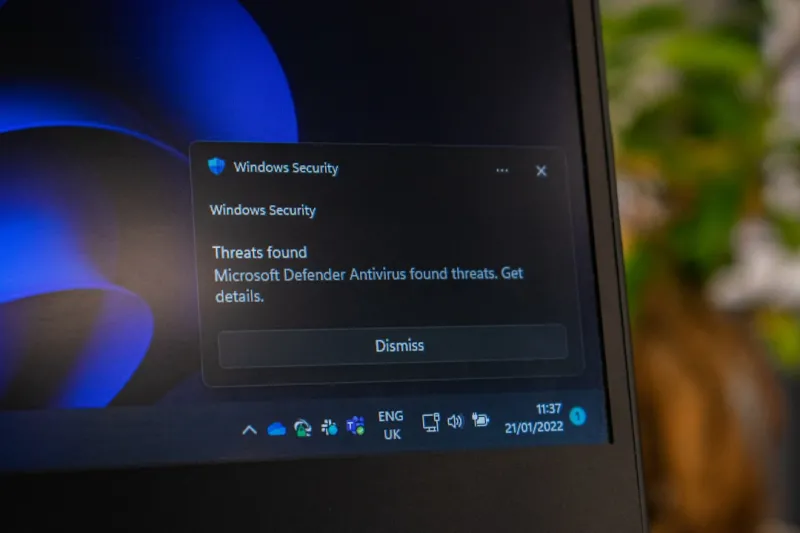
The rise of AI‑powered malware has forced every power user to rethink traditional security models. Instead of relying solely on signature‑based antivirus, I now adopt a multi‑layered defense that blends behavior analysis, network segmentation, and real‑time threat hunting. A crucial part of my arsenal is the Power‑User Playbook: Securing Your PC Against AI Threats, which outlines how to configure Windows Defender Advanced Threat Protection (ATP) to automatically quarantine suspicious processes that exhibit AI‑like decision making. I also enable Controlled Folder Access to protect my documents from ransomware that leverages deep‑learning encryption techniques. Finally, I keep a watchful eye on the Event Viewer for anomalous logins and leverage PowerShell scripts that query the Windows Security Center for any deviations from the baseline. By treating AI as both a tool and a potential adversary, you can stay ahead of the curve and keep your data safe.
Why Upgrading Your Hardware Is No Longer a Luxury
If you’re still running a mid‑range CPU from five years ago, you’re essentially driving a sports car with a lawn‑mower engine. Windows 2026 is optimized for the newest silicon, and the performance delta is staggering. My go‑to resource for planning upgrades is the Unlock Maximum Power: A 2026 Guide to PC Upgrades for Power Users, which breaks down the ROI of moving to an 8‑core Zen 4‑based processor versus a 12‑core Alder Lake. The guide also emphasizes the importance of DDR5 memory with 5600 MHz speeds to keep the memory controller fed, especially when you enable Windows’ new “Memory Compression” feature. Pairing a modern CPU with a PCIe 5.0 GPU not only future‑proofs your rig for upcoming DirectX 13 titles but also accelerates AI workloads like real‑time video transcription. In short, the hardware upgrade path isn’t just about raw horsepower; it’s about unlocking the full potential of the Windows AI ecosystem.
Storage Strategies That Keep Windows Running Smoothly
Modern Windows installations demand storage solutions that can keep up with the OS’s rapid read/write cycles, especially when dealing with large virtual machines or containerized development environments. I’ve adopted a tiered storage approach: a blazing‑fast NVMe boot drive for the OS and frequently accessed apps, complemented by a larger SATA‑based SSD for media and archival files. The new Windows Storage Spaces feature now supports “Performance‑Optimized Pools,” allowing you to assign specific workloads to the fastest tier automatically. Additionally, enabling the “TRIM” command on all drives ensures that the SSD controller can efficiently manage garbage collection, preserving write speeds over time. For those who need extra security, BitLocker’s hardware‑accelerated encryption works seamlessly with modern TPM 2.0 chips, giving you peace of mind without sacrificing performance.
When the Blue Screen Returns, It’s a Signal, Not a Failure
Even in 2026, the infamous Blue Screen of Death (BSOD) remains a valuable diagnostic tool for power users. Rather than viewing it as a catastrophic error, I treat each crash dump as a data set that can reveal hidden driver conflicts or firmware bugs. The Why Blue Screens Still Matter: A Power User’s 2026 Playbook provides a step‑by‑step workflow for extracting crash logs, symbolizing them with the latest Windows Debugging Tools, and pinpointing the offending module. A common culprit in recent BSODs is the interaction between third‑party GPU drivers and the new “Hardware‑Accelerated GPU Scheduling” feature. Disabling this feature in the Graphics Settings or rolling back to a stable driver version often resolves the issue. By embracing the BSOD as a learning opportunity, you turn a moment of panic into a proactive maintenance routine.
Mastering Modern Networks on Windows
Remote work and cloud‑first architectures have made networking a core competency for any Windows power user. In 2026, Windows incorporates AI‑driven network optimization that can auto‑select the best NIC profile based on latency, jitter, and packet loss metrics. I recommend enabling the “Wi‑Fi 7 Adaptive Throughput” option, which leverages machine learning to dynamically adjust channel width and power levels for the most reliable connection. For wired setups, the new “Smart Ethernet Queue Management” feature reduces bufferbloat by prioritizing latency‑sensitive traffic such as video calls or real‑time gaming. Pair these settings with a VPN that supports WireGuard for low‑overhead encryption, and you’ll have a network stack that feels both fast and secure. Remember to regularly audit your Windows Firewall rules, especially after major updates, to ensure that no unintended ports are left exposed.
Looking Ahead: Windows as a Platform for the AI‑Driven Era
As we look toward the next wave of Windows innovations, the trend is clear: the OS is evolving into a sandbox for AI, security, and performance experiments. Microsoft’s roadmap hints at deeper integration with Azure’s AI services, on‑device inference engines, and a more modular kernel that can be stripped down for specific workloads. For power users, this means staying adaptable—learning new scripting languages, mastering PowerShell’s advanced features, and keeping an eye on the Windows Insider Program for early access to experimental features. The best way to stay ahead is to treat Windows not as a static product but as a living platform you can shape. Embrace the updates, experiment with the new tools, and always keep your system’s health in the driver’s seat. In the end, mastery of Windows in 2026 is less about chasing the latest hype and more about building a resilient, high‑performance environment that serves your unique workflow.