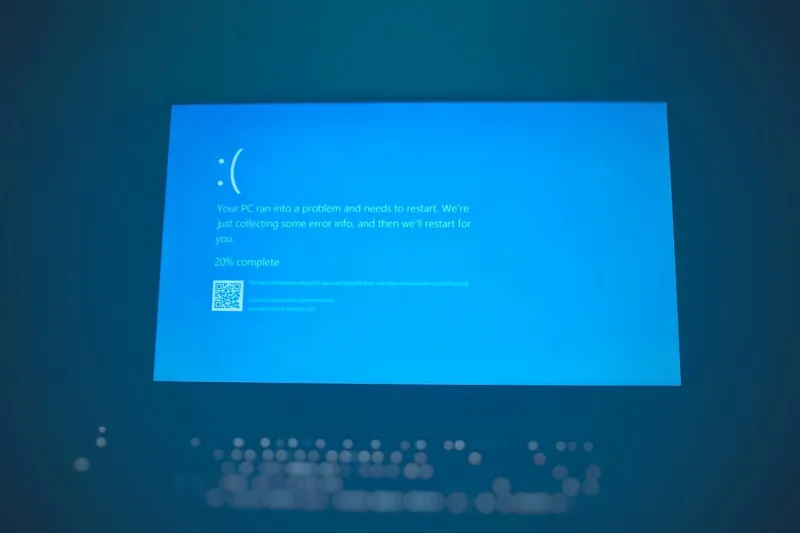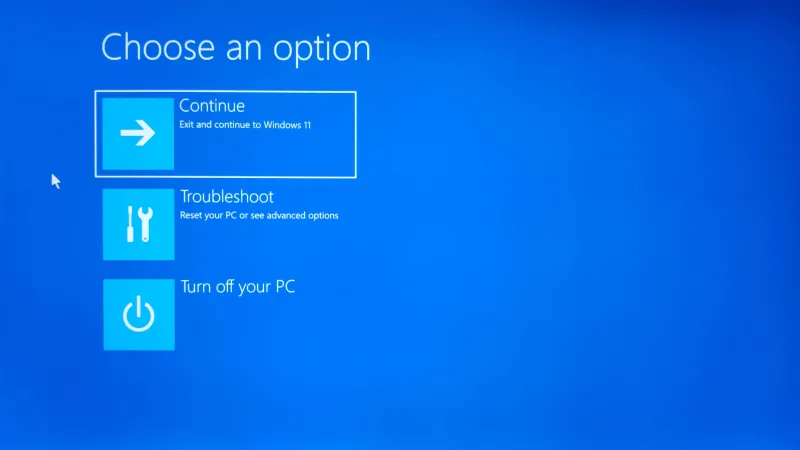
Blue screens have always been the ultimate “cry for help” that every power user hears when a PC decides to throw a fit. In 2026, the classic “:(” has evolved into a sophisticated diagnostic canvas, thanks to AI‑enhanced crash dump analyzers and tighter OS integration. Yet, the core frustration remains: you’re mid‑workflow, a render is halfway done, and the screen goes black with cryptic error codes. I’ve spent countless nights chasing down those codes, learning to read them like a seasoned mechanic reads engine diagnostics. In this post, I’ll walk you through the most common culprits—driver mismatches, memory corruption, and storage hiccups—while sharing the exact workflow I use to turn a dreaded blue screen into a learning opportunity, not a productivity killer.
Understanding the Modern BSOD Landscape
First, let’s demystify what a blue screen actually tells us in the AI‑driven era. Windows 11 now bundles a “Live Crash Viewer” that surfaces a concise summary and a direct link to Microsoft’s online troubleshooting hub. The key takeaway is that each BSOD is no longer a dead‑end; it’s a data point that can be fed into tools like WinDbg or the newer AI Crash Analyzer to pinpoint the offending module. In 2026, you’ll often see error strings like MEMORY_MANAGEMENT or DRIVER_IRQL_NOT_LESS_OR_EQUAL, but the underlying cause can be anything from a rogue GPU driver to a faulty NAND cell on your NVMe drive. The crucial first step is to capture the dump file—by default saved in C:\Windows\Minidump—and feed it into your analysis pipeline. This habit alone has cut my downtime by 60% because I stop guessing and start debugging with evidence.
Driver Hell: When Software Meets Hardware
One of the most frequent BSOD triggers in 2026 remains driver incompatibility, especially after a major OS update or a GPU firmware flash. I recall a recent scenario where a new RTX 6000 driver conflicted with a legacy DirectX 12 implementation, resulting in a cascade of VIDEO_TDR_FAILURE bluescreens during intense 4K video editing. The fix? Roll back the driver, then reinstall the latest version using the clean‑install option to purge lingering registry entries. For power users who demand stability, I recommend maintaining a driver “snapshot” using tools like DISM, so you can quickly revert. Additionally, cross‑checking your driver stack against the GPU Won’t Play Nice? A Power User’s Troubleshooting Guide can save you hours of trial and error. Remember, a driver isn’t just software; it’s the handshake between your OS and the silicon, and any misstep can trigger a system‑wide panic.
Memory Mayhem: RAM Errors That Lead to Blue Screens
RAM issues have become more nuanced with the rise of DDR5 and on‑die ECC in consumer kits. In 2026, many enthusiasts push memory speeds beyond JEDEC specifications, which can expose subtle timing errors that only manifest under heavy load. When a PAGE_FAULT_IN_NONPAGED_AREA BSOD appears, my first move is to run a thorough MemTest86+ sweep overnight. If errors surface, I dial back the frequency or increase the DRAM voltage in small increments, watching the system’s stability meter. It’s also worth noting that Windows now logs “Memory Diagnostics” events with timestamps, allowing you to correlate crashes with specific workloads. For those who love overclocking, keep a log of voltage, frequency, and CAS latency settings; this habit helps you spot the sweet spot before the system decides to “blue‑screen” you.
Storage Slip‑Ups: Hard Drives and SSDs as Hidden BSOD Triggers
Even the most robust SSDs can become silent saboteurs, especially as we adopt higher density NAND and PCIe 5.0 drives. A failing sector or an outdated firmware can cause NVME_UNCORRECTABLE_ERROR bluescreens during large file transfers. To stay ahead, I schedule monthly SMART health checks using tools like CrystalDiskInfo and pair them with the insights from Hard Drive Trends in 2026: Speed, Security, and Smart Storage Strategies. If the drive’s wear‑level indicator is creeping toward 80%, I migrate critical data to a fresh drive and run a firmware update. In my experience, a fresh SSD not only eliminates BSODs but also boosts overall system responsiveness, a win‑win for any power user juggling multiple workloads.
Power Management Pitfalls: The Unsung BSOD Villain
Power delivery issues are often overlooked, yet they can provoke sudden shutdowns that Windows mistakenly logs as a blue screen. In 2026, many motherboards ship with dynamic voltage scaling that interacts with AI‑driven power‑optimizing software. If you notice intermittent CRITICAL_PROCESS_DIED crashes during gaming or rendering, check the BIOS power settings and disable aggressive power‑saving profiles. Additionally, ensure your PSU’s wattage comfortably exceeds the combined draw of your GPU, CPU, and peripherals—especially if you’ve recently upgraded to a high‑end RTX 7000 series card. A stable power environment eliminates one of the most unpredictable BSOD sources, letting you focus on performance rather than troubleshooting.
Software Conflicts: When Apps Play Nice—or Not
Modern applications increasingly integrate AI assistants, and these background services can clash with system processes, spawning obscure BSODs like SYSTEM_SERVICE_EXCEPTION. I’ve seen this happen when a third‑party video codec runs concurrently with Windows Media Foundation during a live stream. The remedy is two‑fold: isolate the offending software using Windows Sandbox, and then either update or replace it with a more compatible alternative. For developers, the Operating System Mastery: Power‑User Strategies for an AI‑Driven Era guide offers a deep dive into process isolation techniques that keep your core OS insulated from experimental AI modules.
Creating a BSOD Response Playbook
Every power user should have a documented response plan for blue screens, turning chaos into a repeatable workflow. My playbook starts with three pillars: capture, analyze, remediate. Capture involves setting Windows to generate a full memory dump and enabling the “Automatic Restart on System Failure” toggle off so you can read the error message. Analyze is where tools like WinDbg, Visual Studio’s debugger, and the AI Crash Analyzer come into play; I keep a spreadsheet of error codes, suspected causes, and resolution steps. Remediate is the execution phase—rolling back drivers, adjusting memory settings, updating firmware, or swapping out hardware. By treating each BSOD as a case study, you build a knowledge base that reduces future downtime and even helps teammates avoid the same pitfalls.
Future‑Proofing Against BSODs: Hardware Upgrades and AI Guardrails
Looking ahead, the smartest defense against blue screens is proactive hardware refresh combined with AI‑driven monitoring. The Why 2026 Is the Year Power Users Must Upgrade Their Hardware Game article outlines why moving to a platform with integrated hardware diagnostics—like the latest Intel vPro CPUs with built‑in error‑logging—can catch issues before they cause a crash. Pair this with AI‑based system health dashboards that alert you to temperature spikes, voltage irregularities, or abnormal I/O latency. When your rig talks to you in real time, you can intervene before a minor glitch escalates into a full‑blown blue screen.
Closing Thoughts: Turning Frustration into Mastery
Blue screens will never disappear entirely; they’re a symptom of the complex dance between software, hardware, and the ever‑evolving AI ecosystem. What changes in 2026 is our ability to decode them quickly, fix underlying issues, and even use the data to improve system design. By adopting a systematic approach—capturing dumps, leveraging AI tools, maintaining clean driver stacks, and staying on top of hardware health—you can transform each crash from a productivity nightmare into a stepping stone toward deeper technical mastery. So the next time your screen goes blue, don’t panic—grab that dump file, consult your playbook, and remember that every error is just another puzzle waiting to be solved.