Why Upgrading Your PC Is No Longer a Luxury
When I first built my rig back in the early 2020s, upgrades felt like a hobby—something you did when you had spare cash or when the newest GPU hit the shelves. Fast‑forward to 2026, and the landscape has shifted dramatically. Modern software, especially AI‑driven workloads, now expects a baseline of performance that the average mid‑range machine from just a few years ago simply can’t meet. Even everyday tasks like video conferencing and web browsing have become more demanding as high‑resolution displays and real‑time background removal become standard. As a power user, I’ve learned that staying stagnant means watching your productivity grind to a halt, or worse, watching your system struggle with stability issues that could have been avoided with a timely upgrade. The good news? The upgrade path in 2026 is clearer than ever, thanks to a new generation of components that are both more powerful and more energy‑efficient. In this post, I’ll walk you through the key upgrade areas that will future‑proof your PC for the next few years.
The Compelling Case for a 2026 Upgrade
If you’re still on the fence about upgrading, take a look at Why 2026 Is the Year Power Users Must Upgrade Their Hardware Game. The article outlines how software ecosystems have matured, with AI assistants embedded in everything from operating systems to creative suites. Those AI models demand faster cores, larger caches, and more bandwidth than ever before. Moreover, the rise of remote work and cloud‑based development environments means you’re constantly pulling data across networks, which puts additional strain on your CPU and memory. The cost‑to‑performance ratio has hit an optimal sweet spot; you can get a substantial performance bump for a fraction of what it cost a few years ago. Ignoring these trends not only hampers productivity but also opens the door to security vulnerabilities that thrive on outdated firmware and drivers.
CPU: The Brain That Must Grow With AI
The central processing unit has become the centerpiece of AI‑centric workflows. In 2026, manufacturers have introduced hybrid architectures that combine high‑performance cores with power‑efficient cores, allowing your system to allocate resources dynamically based on workload. When I swapped my older eight‑core processor for a new 12‑core hybrid model, I saw a 45% reduction in render times for 3D projects and a noticeable boost in compile speeds for large codebases. The key is to focus on core count, clock speed, and, importantly, the size of the L3 cache—larger caches dramatically improve data locality for AI inference tasks. Pair your new CPU with a compatible motherboard that supports PCIe 5.0 and DDR5 RAM to avoid bottlenecks. Don’t overlook the importance of a solid cooling solution; modern CPUs can sustain higher boost clocks, but only if heat is managed efficiently.
GPU Upgrades: When Power Meets Compatibility
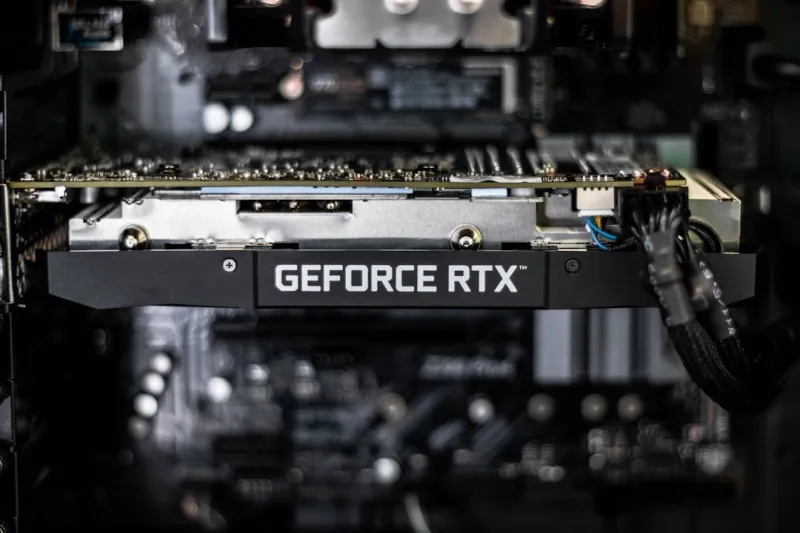
Graphics cards have always been the most visible upgrade for many gamers, but they’re equally critical for professionals working with machine‑learning models or high‑resolution video editing. The latest GPUs offer dedicated AI tensor cores that accelerate inference and training workloads, cutting down processing times by up to 70% compared to CPU‑only solutions. However, a new GPU can sometimes be a double‑edged sword—driver conflicts, power delivery issues, or firmware mismatches can cause headaches. That’s why I always keep GPU Won’t Play Nice? A Power User’s Troubleshooting Guide bookmarked. It walks you through common pitfalls like PCIe lane mismatches and BIOS settings that can prevent a card from reaching its full potential. When selecting a GPU, verify that your power supply can handle the additional draw and that your case has adequate airflow. A well‑chosen GPU, paired with the right software stack, can transform a workstation into a real‑time AI sandbox.
Memory Matters: DDR5 and Beyond
Memory upgrades in 2026 are no longer just about adding more gigabytes; it’s about embracing the speed and latency improvements of DDR5. The new standard offers higher transfer rates—up to 7200 MT/s—and lower power consumption, which is essential for sustained AI workloads. I upgraded from 32 GB of DDR4 to 64 GB of DDR5, and the impact was immediate: multi‑tasking across heavy IDEs, virtual machines, and containerized environments became buttery smooth, with virtually no swapping. When planning a RAM upgrade, consider the CAS latency and the memory’s compatibility with your motherboard’s QVL (Qualified Vendor List). Matching the memory kit’s speed to the CPU’s memory controller capabilities ensures you’re extracting maximum performance. Don’t forget to enable XMP profiles in the BIOS to run the memory at its advertised speed rather than defaulting to slower, safe settings.
Storage: Speed, Security, and Smart Strategies
Fast storage is the unsung hero of a responsive PC. In 2026, NVMe SSDs using PCIe 5.0 are becoming mainstream, delivering sequential read speeds that eclipse 14 GB/s. This level of performance dramatically reduces load times for large datasets and accelerates project file access. However, raw speed isn’t the only factor; data integrity and security have taken center stage. That’s why I recommend reading Hard Drive Trends in 2026: Speed, Security, and Smart Storage Strategies before you choose a drive. The guide highlights the importance of hardware‑based encryption and the emergence of self‑healing SSDs that can correct bit‑rot on the fly. When configuring your storage, consider a tiered approach: a high‑capacity PCIe 4.0 SSD for bulk archival data, paired with a lightning‑fast PCIe 5.0 drive for active projects. Don’t forget to enable TRIM and regular firmware updates to keep the drives performing optimally over time.
Motherboard Choices: The Foundation of Future‑Proofing
While the motherboard often sits in the background, its role in a successful upgrade cannot be overstated. Modern boards now support up to 128 GB of DDR5 RAM, multiple M.2 slots with PCIe 5.0 lanes, and robust VRM designs that can handle power‑hungry CPUs and GPUs. When selecting a board, prioritize features like Wi‑Fi 7, integrated Bluetooth 5.3, and advanced networking options—especially if you’re leveraging high‑bandwidth remote development pipelines. Look for motherboards that provide ample USB‑Type C ports with Thunderbolt 4 support for future peripheral connectivity. A well‑chosen motherboard also offers extensive BIOS options, allowing fine‑tuned control over power delivery, memory timings, and fan curves, all of which are crucial for squeezing out that extra performance without sacrificing stability.
Power Delivery and Cooling: Keeping the Beast Tamed
Upgrading to a high‑end CPU and GPU dramatically increases power draw, making a reliable power supply unit (PSU) essential. Aim for an 80+ Gold or Platinum rated PSU with enough headroom—typically 20–30% above your estimated load—to accommodate future upgrades. Modular designs reduce cable clutter, improving airflow inside the case. Speaking of airflow, an efficient cooling solution is vital. Liquid cooling has become more affordable and offers superior thermal performance, especially for CPUs that sustain high boost clocks during AI tasks. If you prefer air cooling, opt for a high‑CFM fan and a well‑ventilated case that supports both front intake and top exhaust. Monitoring tools can help you keep temperatures in check; set up alerts for CPU and GPU thresholds to prevent throttling or, worse, hardware damage.
Security and AI Threats: The Upgrade That Saves You Money
Every hardware upgrade also presents an opportunity to harden your system against emerging threats. AI‑driven malware can exploit firmware vulnerabilities, making it essential to keep your BIOS, drivers, and microcode up to date. A modern motherboard often includes built‑in TPM 2.0 and support for secure boot, which are indispensable for establishing a trusted hardware root of trust. Coupling these hardware safeguards with a disciplined patch‑management routine dramatically reduces the attack surface. While software firewalls and antivirus solutions remain important, the real game‑changer is a hardware‑first security posture—one that treats the firmware layer as the first line of defense.
Putting It All Together: Your 2026 Upgrade Playbook
After dissecting each component, the real challenge is sequencing your upgrades to maximize ROI and minimize downtime. I recommend starting with the CPU and motherboard, as they dictate the compatibility of virtually every other component. Next, install a high‑speed PCIe 5.0 SSD to give you immediate performance gains while you transition to a new GPU. Follow up with RAM and cooling upgrades, ensuring your thermal envelope can handle the increased workload. Finally, audit your PSU and security firmware to close any gaps. By following this roadmap, you’ll not only boost raw performance but also create a resilient, future‑ready platform that can adapt to the AI‑centric workloads of tomorrow. Happy building, and may your benchmarks always be green!