When I first powered on a Windows machine back in the early 2000s, the operating system felt like a mystery box—full of hidden tricks, occasional crashes, and endless opportunities for a curious mind to tinker. Fast‑forward to 2026, and Windows has transformed into a sophisticated platform that blends AI, cloud services, and hyper‑responsive security layers, yet it still rewards the same gritty, hands‑on approach that power users like me have always cherished. In this post I’ll walk you through the most compelling Windows developments of this year, dissect how they impact a power‑user workflow, and share practical tactics you can adopt today. Expect deep dives into AI‑driven features, security hardening, hardware‑software synergy, and the troubleshooting mind‑set that turns every blue screen into a learning moment. Strap in, because the Windows ecosystem is more than an OS—it’s a living lab for anyone who refuses to settle for “just works.”
AI at the Core: Windows 2026’s Intelligent Engine
Microsoft’s biggest bet in 2026 is the seamless integration of generative AI directly into the OS shell. The new Copilot‑enhanced desktop learns from your habits, suggests PowerShell snippets, and even auto‑optimizes resource allocation based on real‑time workload analysis. As a power user, this means less time hunting for the perfect script and more time focusing on higher‑level problem solving. The AI doesn’t just sit idle; it monitors system telemetry and pre‑emptively flags potential conflicts before they cause a crash. I’ve started leveraging Copilot to draft registry tweaks, and the results have been astonishingly precise. The key is to treat the AI as a collaborative partner—review its suggestions, test in a sandbox, then roll them out. By mastering this dialogue, you gain a strategic advantage that feels like having a second brain dedicated to system performance and stability.
Fortifying the Fortress: Modern Security Strategies
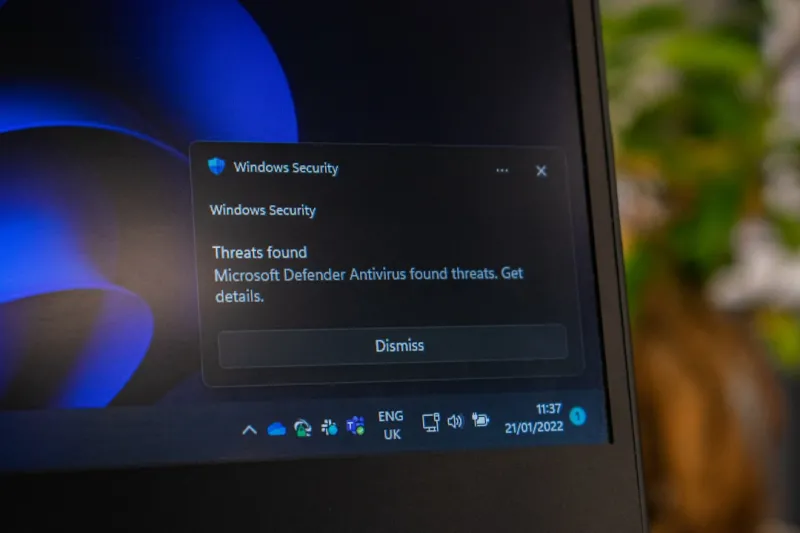
Security has always been a top‑priority for power users, but the threat landscape in 2026 demands a more aggressive posture. Windows Defender now incorporates a zero‑trust model that verifies every process against a cloud‑based reputation engine. However, relying solely on built‑in defenses is insufficient. I recommend a layered approach: enable Controlled Folder Access, configure Exploit Guard rules, and pair Windows Hello with a hardware security key for multi‑factor authentication. For deeper insights, check out Guarding Your Rig: Advanced Security Strategies for Power Users, which walks through custom attack surface reduction policies and script‑based integrity checks. By combining native tools with a disciplined habit of regularly reviewing audit logs, you turn your Windows machine into a hardened bastion without sacrificing the flexibility you rely on for development and creative work.
Future‑Proofing Hardware: The Synergy Between Windows and Your Rig
The hardware ecosystem has caught up with Windows’ software ambitions, and the result is a remarkably tight integration that power users can exploit. The new driver model in 2026 supports dynamic load balancing across CPUs and GPUs, allowing Windows to allocate tasks based on real‑time performance metrics. This is especially valuable for creators who juggle video rendering, AI model training, and gaming on the same workstation. To ensure you’re not left behind, I regularly audit BIOS settings, update firmware, and validate that my motherboard’s Power Management features are correctly configured. For a comprehensive guide, see Future‑Proofing Your Rig: The 2026 Power‑User Hardware Playbook. By aligning your hardware choices with Windows’ scheduler and power‑plan capabilities, you unlock smoother multitasking, lower latency, and a noticeable boost in battery life on portable workstations.
Power‑User Productivity: The Rise of Integrated Toolsets
Windows 2026 isn’t just about security and performance; it also offers a refined suite of productivity enhancers that cater to power users. The revamped PowerToys now include a Keyboard Manager that lets you remap keys globally, a FancyZones layout engine with AI‑suggested window arrangements, and a new Image Resizer powered by native GPU acceleration. I’ve integrated these tools with my daily workflow, automating repetitive tasks using a combination of PowerShell and the new Windows Terminal preview. Additionally, the Windows Subsystem for Linux (WSL) 2.2 provides near‑native Linux performance, allowing me to run containers, compile code, and manage cloud deployments without leaving the Windows environment. For a deeper exploration of these tactics, visit Mastering Windows in 2026: AI, Security, and Power‑User Tactics. Embracing these utilities transforms Windows from a passive OS into an active co‑pilot for every project.
Turning Crashes into Clues: The Blue Screen Reimagined
Even the most polished systems encounter occasional crashes, and in 2026 the infamous Blue Screen of Death (BSOD) has evolved into a diagnostic treasure trove. Windows now logs detailed memory dumps, complete with AI‑generated root‑cause suggestions directly in the error dialog. I treat every BSOD as an experiment: capture the dump, feed it into the built‑in debugger, and cross‑reference the suggested module with my recent driver updates. Understanding why a crash happened can reveal hidden incompatibilities or misconfigured power settings. For a systematic approach, read Why the Blue Screen Still Matters: Turning Crashes Into Power‑User Insights. By mastering this feedback loop, you not only reduce downtime but also contribute valuable data that Microsoft uses to refine future updates, making the entire ecosystem more robust.
Network Mastery: Building a Resilient, High‑Performance Stack
Connectivity is the bloodstream of any modern workstation, and Windows 2026 offers powerful networking controls that many power users overlook. The new Network Isolation Framework lets you sandbox applications, ensuring that browsers, dev tools, and media servers each operate on separate virtual adapters. Coupled with a granular QoS manager, you can prioritize latency‑sensitive traffic—like remote desktop sessions—over bulk transfers such as Windows Update. I also enable IPv6 privacy extensions and configure DNS over HTTPS to shield against spoofing. To dive into the specifics, explore Network Mastery in 2026: Strategies Power Users Need Now. By fine‑tuning these settings, you achieve a more secure, faster, and predictable network experience that benefits both work and play.
GPU Reliability: Diagnosing and Fixing Crashes Like a Pro
Gaming, AI workloads, and video editing all push the GPU to its limits, and in 2026 the demands have only intensified. When a graphics card misbehaves—manifesting as flickering, driver hangs, or outright system resets—I rely on a systematic troubleshooting routine. First, I examine the Windows Event Viewer for GPU‑related errors, then run the built‑in DirectX Diagnostic Tool (dxdiag) to verify driver integrity. If the issue persists, I employ a stress test while monitoring temperature and power draw through the new Windows Performance Analyzer. For an exhaustive step‑by‑step guide, see Why Your GPU Keeps Crashing and How to Fix It Like a Pro. By mastering these diagnostics, you can distinguish between firmware bugs, hardware degradation, or software conflicts, allowing you to apply the correct fix—whether that’s a driver rollback, BIOS update, or a simple cooling solution.
The Road Ahead: AI‑Enhanced Power Users Shaping Windows
Looking forward, the relationship between power users and Windows is becoming increasingly symbiotic. Microsoft is actively soliciting feedback from the community to refine AI features, and the next wave of Windows updates promises deeper integration with custom scripts and third‑party automation platforms. I’m already experimenting with a personal Copilot extension that auto‑generates PowerShell modules based on my GitHub activity, effectively turning my coding patterns into reusable system tools. This collaborative evolution means that the OS will continue to adapt to the unique workflows of users who push the envelope. By staying engaged—participating in Insider builds, sharing insights on forums, and contributing to open‑source tooling—you help shape a Windows that’s not only smarter but also more attuned to the needs of the most demanding users.
Final Thoughts: Embrace the Power‑User Mindset
Windows in 2026 offers a rich tapestry of AI assistance, hardened security, and performance‑centric features that reward the inquisitive, the meticulous, and the bold. Whether you’re fine‑tuning your hardware stack, automating routine tasks, or turning a dreaded blue screen into actionable intelligence, the tools are at your fingertips—provided you’re willing to dig a little deeper. My advice? Adopt a proactive stance: regularly audit settings, experiment with new integrations, and never shy away from the occasional crash; it’s just another data point in your mastery journey. With the strategies outlined above, you’ll not only keep your rig humming smoothly but also become a driving force in the next chapter of Windows evolution.