When you hear the phrase “hardware hype” in 2026, it’s easy to dismiss the chatter as marketing fluff. Not for a power‑user like me, though. I’ve been building rigs since the era of DDR2, and every new silicon generation feels like a fresh canvas for performance art. This year, the convergence of AI‑centric CPUs, PCIe 6.0 storage, and ultra‑efficient power supplies is reshaping what “high‑end” actually means. The excitement isn’t just about raw numbers; it’s about how those numbers translate into real‑world productivity, gaming immersion, and even content‑creation pipelines that used to require an entire server farm. I’m diving into the hardware trends that matter most to us—those who push every component to its limits and demand reliability in the face of relentless workloads. Strap in, because we’re about to dissect the nuts and bolts that will define the next wave of power‑user rigs.
CPU: The Rise of AI‑Accelerated Cores
Processor design has taken a decisive turn toward integrated AI acceleration. The latest flagship chips from both AMD and Intel now embed dedicated tensor cores capable of handling inference workloads at a fraction of the power draw of a discrete GPU. For a power‑user, this means you can offload tasks like real‑time video upscaling, AI‑driven code analysis, or even machine‑learning‑enhanced simulations directly to the CPU without sacrificing core count for parallelism. The architecture also introduces smarter thread scheduling, allowing the OS to dynamically allocate resources based on workload intensity. This is especially valuable for developers who compile large codebases while streaming and running virtual machines concurrently. The key takeaway? A modern CPU is no longer just the brain; it’s becoming a hybrid engine that blends traditional computation with AI, unlocking new levels of efficiency for anyone who refuses to settle for “good enough.”
GPU Evolution: Performance, Cooling, and Stability
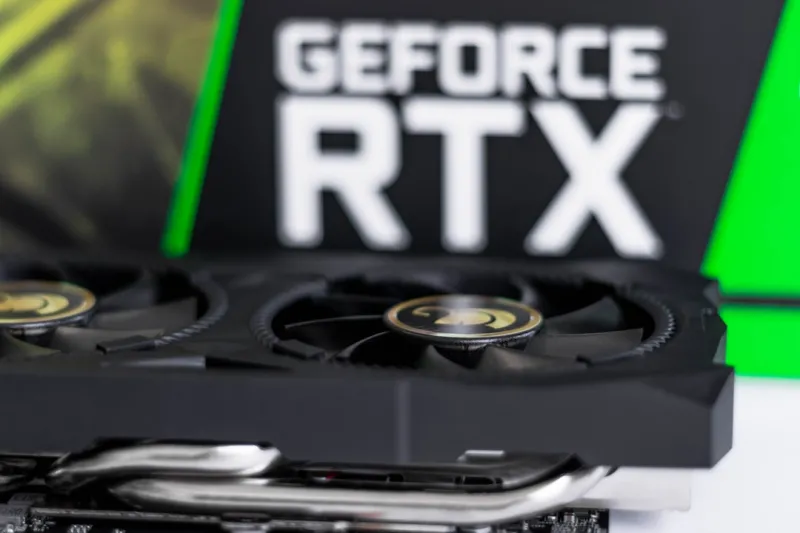
Graphics cards in 2026 have finally caught up with the demands of 8K gaming, AI‑assisted rendering, and real‑time ray tracing at framerates that were once the domain of high‑end workstations. The new generation of GPUs leverages a refined 5nm process, offering higher transistor density and better thermal characteristics. However, with great power comes the risk of instability, especially when you push the limits with overclocks or custom cooling loops. If you’ve ever stared at a driver crash screen wondering why your GPU decided to take a nap, you’ll appreciate the GPU crash troubleshooting guide. It walks you through everything from BIOS updates to memory timing tweaks that can transform a flaky card into a rock‑solid workhorse. Pairing these cards with smart fan curves and AI‑driven thermal management ensures you stay in the performance sweet spot without compromising longevity.
RAM: Speed, Capacity, and Diagnostic Mastery
Memory technology has leaped forward with DDR6 and the early adoption of DDR7 modules, delivering bandwidths that make previous generations feel archaic. For power users, the real advantage lies in the ability to run massive datasets in memory, drastically reducing latency for tasks like large‑scale simulation, video editing, and virtual machine clusters. Yet, faster RAM can also introduce subtle stability issues, especially when timings are manually tuned. That’s why understanding how to diagnose memory glitches is essential. My go‑to resource is the RAM diagnostic guide, which outlines systematic testing with tools like MemTest86, interpreting error codes, and applying corrective measures without a full system rebuild. By mastering these techniques, you not only safeguard against random crashes but also squeeze every ounce of performance out of your kit, turning your memory subsystem into a true powerhouse.
Storage: PCIe 6.0 and the New Era of Speed
The storage landscape in 2026 is dominated by PCIe 6.0 NVMe SSDs that promise up to 64 GB/s sequential reads—an order of magnitude faster than the SATA drives of a decade ago. This speed revolution isn’t just for gamers craving rapid load times; it’s a game‑changer for developers compiling massive codebases, video editors handling 8K footage, and data scientists training models on local datasets. Modern SSDs also incorporate advanced wear‑leveling algorithms and larger SLC caches, extending drive lifespan even under heavy write cycles. When selecting a drive, consider endurance ratings (TBW), thermal throttling solutions, and native encryption support to keep data safe. Pairing a PCIe 6.0 SSD with a high‑bandwidth motherboard ensures you can fully exploit the bandwidth, eliminating bottlenecks that once plagued high‑throughput workflows.
Motherboard: The Secret Weapon of Power Users
Choosing the right motherboard is akin to picking the right chassis for a race car—it dictates everything from expansion potential to stability under extreme conditions. In 2026, the focus has shifted to robust power delivery, expanded PCIe 6.0 lanes, and integrated AI‑assisted BIOS that can auto‑tune voltage curves based on real‑time sensor data. For those who love to tinker, features like dual‑BIOS, extensive debugging headers, and support for multiple M.2 slots are non‑negotiable. The motherboard deep‑dive article explores why a well‑designed board can be the difference between a stable workstation and a temperamental beast. Look for boards with high‑quality VRM phases, ample PCIe lanes for future GPUs, and comprehensive networking options, including 10 GbE and Wi‑Fi 7, to keep your rig future‑proof and ready for any workload you throw at it.
Power Supply: Efficiency Meets Modularity
Power delivery has become an art form in its own right. Modern 80+ Platinum and even Titanium‑rated PSUs now operate at efficiencies above 95%, translating to lower heat output and quieter operation—critical for dense builds with limited airflow. Modular designs have matured, offering fully detachable cables that reduce clutter and improve airflow inside the case. Moreover, many units now feature integrated digital monitoring, allowing you to track voltage rails, temperature, and even predict potential failures via companion software. For power users, investing in a high‑quality PSU isn’t just about avoiding brownouts; it’s about ensuring that every component receives clean, stable power, which directly impacts overclocking headroom and long‑term component health. Pair your PSU with smart power strips that can manage load shedding during peak demand, further protecting your investment.
Cooling: AI‑Driven Thermal Management
Effective cooling is the silent hero of any high‑performance system. Traditional fan curves are giving way to AI‑driven thermal management that learns your usage patterns and dynamically adjusts pump speeds, fan RPM, and even liquid coolant flow rates. Hybrid solutions that combine vapor‑chamber coolers with liquid loops are now mainstream, delivering low temperatures without the noise penalties of traditional air coolers. For those who enjoy custom loops, new smart reservoirs provide real‑time temperature readouts and can trigger alerts if coolant temperatures exceed safe thresholds. Integrating these cooling solutions with motherboard BIOS or dedicated software ensures that performance spikes are handled gracefully, maintaining stability while keeping the system whisper‑quiet during idle periods.
Putting It All Together: The Ultimate Upgrade Playbook
All the individual components we’ve discussed are only as good as the synergy they create when assembled. The best way to future‑proof your rig is to adopt a systematic upgrade strategy that balances performance gains with cost efficiency. Start by mapping your workload demands—whether it’s AI model training, 8K video editing, or competitive gaming—and prioritize components that deliver the highest ROI for those tasks. Next, verify compatibility across the board: ensure your motherboard supports the latest PCIe standards, that your PSU can handle the added power draw, and that your case offers adequate airflow for your cooling solution. Finally, schedule regular firmware and driver updates, and keep an eye on emerging standards like DDR7 and PCIe 6.0 ×16, which will soon become the new baseline. By following this methodical approach, you’ll not only turbocharge your rig today but also lay a solid foundation for the upgrades of tomorrow.