When I first booted a fresh Windows install back in the early 2020s, the experience felt like stepping onto a well‑paved road with clear signposts. Fast‑forward to 2026, and that road has become a hyper‑dynamic expressway, packed with AI‑driven features, tighter security mandates, and hardware that can shift from a modest laptop to a beastly workstation in a single click. As a long‑time power‑user, I’ve learned that Windows is no longer just an operating system; it’s a living platform that demands a proactive mindset. Every update now carries the weight of machine‑learning optimizations, and the OS itself is learning how you work, adjusting power profiles, resource allocation, and even predicting which apps you’ll need next. This shift means the “set‑and‑forget” attitude that many casual users still cling to won’t cut it for those of us who push the envelope—whether that’s rendering 8K video, training neural nets, or juggling multiple virtual machines. In this article, I’ll walk you through the latest Windows trends that matter most to power users, how to future‑proof your rig, and the strategies you need to stay ahead of both performance bottlenecks and emerging threats.
Windows Security in 2026: A New Arms Race
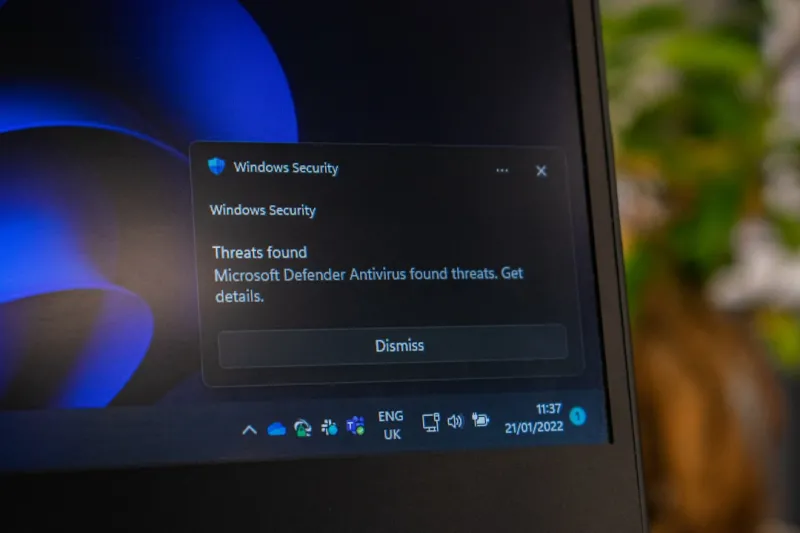
The security landscape on Windows has morphed into a relentless arms race, with malware authors leveraging AI to craft polymorphic threats that can slip past traditional signatures in seconds. What used to be a simple “run your antivirus” checklist now requires a layered defense that includes behavior‑based detection, hardware‑rooted trust modules, and continuous telemetry analysis. As a power‑user, you can’t afford to be reactive; you must adopt a mindset that treats security as an ongoing process. That means regularly auditing your installed applications, tightening UAC settings, and leveraging Windows Defender’s advanced exploit protection. Moreover, the rise of fileless attacks—malware that lives only in memory—means you need to pay close attention to anomalous process behavior. For a deep dive into why malware is evolving faster than your antivirus and what you can do, check out Why Malware Is Evolving Faster Than Your Antivirus—and What Power Users Must Do. Understanding these dynamics will help you build a resilient Windows environment that can adapt to threats before they become visible.
AI Integration: Turning Windows Into a Cognitive Companion
One of the most exciting developments in Windows 2026 is the seamless integration of AI assistants that go far beyond the simple voice commands of previous versions. Microsoft’s Copilot, now baked directly into the OS shell, can suggest code snippets, auto‑optimize system settings based on your workflow, and even predict which files you’ll need for upcoming projects. For power users, this isn’t just a novelty—it’s a productivity catalyst. Imagine a scenario where you’re compiling a massive codebase; Copilot can dynamically allocate CPU cores, prioritize I/O, and throttle background services to keep the build time to a minimum. To truly harness this capability, you need hardware that can keep pace, which leads us to the next critical piece of the puzzle: building an AI‑ready workstation. I’ve explored the specifics in AI Computing for Power Users: Building a Future‑Ready Workstation, where I break down GPU selection, memory bandwidth, and storage configurations that let Windows’ AI features run at full throttle without choking your primary workloads.
Future‑Ready Hardware Strategies for Power Users
Choosing the right hardware in 2026 is less about chasing the highest clock speeds and more about balancing scalability, efficiency, and AI acceleration. Today’s CPUs come with integrated AI cores that offload tasks like image recognition, natural language processing, and even real‑time compression—functions that Windows now delegates to these specialized units. Pair that with a GPU that supports DirectX 13 and hardware‑accelerated ray tracing, and you have a platform that can handle both creative workloads and heavy gaming without compromise. Memory architecture has also evolved; DDR5‑5600 is now the baseline for high‑performance rigs, and you’ll find that low‑latency, high‑bandwidth configurations dramatically reduce the time Windows spends swapping pages during intensive multitasking. For a comprehensive roadmap on how to align your hardware purchases with the demands of modern Windows, dive into Future‑Ready Hardware Strategies for Power Users. The article walks you through a tiered approach, from entry‑level creator setups to enterprise‑grade workstations, ensuring you can future‑proof your investment for the next five years and beyond.
Mastering the 2026 PC Upgrade Cycle
Every power user knows that timing a PC upgrade is both an art and a science. In 2026, Microsoft’s cadence of major feature drops—especially around AI integration and security hardening—means that the “upgrade window” aligns closely with Windows’ own release schedule. Miss it, and you risk running on a platform that’s gradually losing performance parity due to driver mismatches and unoptimized firmware. The key is to map your upgrade plan to the Windows Insider channel milestones, which give you early access to upcoming features and allow you to test compatibility before the mainstream rollout. I’ve codified this approach in Mastering the 2026 PC Upgrade Cycle: A Power‑User’s Playbook, where I outline a quarterly checklist: assess driver support, verify BIOS updates, benchmark critical workloads, and decide whether a component swap or a full system rebuild makes sense. By following a disciplined upgrade cadence, you keep your Windows environment humming, avoid the dreaded performance cliff, and stay ahead of the curve when Microsoft introduces new power‑management APIs that can shave precious seconds off boot times.
Diagnosing the Blue Screen: Turning Crashes Into Insight
Blue screens have historically been a Windows user’s nightmare, but for those of us who love data, they’re also a goldmine of diagnostic information. In 2026, Windows logs now include enriched metadata that ties each crash to the exact driver version, memory address, and even the AI routine that was active at the moment of failure. When you encounter a STOP error, the first step is to capture the dump file using the built‑in Windows Debugger (WinDbg) and then cross‑reference the faulting module against the latest driver releases. Frequently, the culprit is a mismatched GPU driver trying to leverage new DirectX features without proper fallback. If you’re looking for a step‑by‑step guide on turning that blue screen into actionable insight, my deep dive on this topic—Why Your PC’s Blue Screen Isn’t the End—It’s a Power‑User’s Diagnostic Goldmine—covers everything from automated crash analysis scripts to manual kernel debugging. Armed with this knowledge, you’ll spend less time in panic mode and more time fine‑tuning Windows’ stability settings.
GPU Troubleshooting: When Your Graphics Card Misbehaves
Even the most robust GPUs can stumble when Windows pushes them to the edge—especially with AI‑accelerated workloads that demand rapid context switching. The first sign of trouble often appears as stuttering, artifacting, or occasional driver crashes during gaming or rendering sessions. A systematic approach begins with verifying that your graphics stack is fully up to date, not just the vendor driver but also the Windows Graphics Device Interface (GDI) and DirectX runtimes. If the issue persists, the next step is to isolate the problem by disabling hardware acceleration in specific apps, then re‑enabling one component at a time while monitoring performance counters in the Windows Performance Monitor. For a hands‑on playbook that walks you through each diagnostic layer, refer to Mastering Video Card Troubleshooting: A Power‑User’s Playbook. By methodically testing power limits, temperature thresholds, and driver rollback scenarios, you’ll quickly pinpoint whether the fault lies in firmware, Windows’ power policies, or the card itself.
Storage Strategies: Why Hard Drives Still Matter
Solid‑state drives dominate the conversation when it comes to speed, but in 2026, traditional hard drives have reclaimed a niche role for power users who need massive, cost‑effective storage pools. Modern HDDs now feature shingled magnetic recording (SMR) optimizations that, when paired with Windows’ Storage Spaces Direct, can provide petabyte‑scale archival solutions without sacrificing data integrity. Moreover, Windows’ new tiered storage APIs automatically migrate cold data to HDD tiers while keeping hot files on NVMe, ensuring you get the best of both worlds. If you’re building a workstation that handles both AI model training (which loves the low latency of NVMe) and large video archives (which thrive on HDD capacity), understanding how to configure these tiers is essential. In my article, Why Hard Drives Still Matter for Power Users in 2026, I break down the step‑by‑step process of setting up Storage Pools, assigning resiliency levels, and leveraging Windows’ built‑in deduplication to keep costs low while maintaining performance. The result is a hybrid storage architecture that feels seamless from the Windows Explorer view, yet offers the reliability and scalability demanded by power‑user workloads.
Final Thoughts: Building a Resilient, Future‑Proof Windows Environment
All of the trends we’ve covered—AI integration, hardware acceleration, security hardening, and intelligent storage—converge on a single principle: Windows in 2026 is a platform that rewards foresight and disciplined maintenance. As power users, our advantage lies in the willingness to dig deeper, automate routine checks, and stay attuned to the subtle signals Windows gives us through logs, telemetry, and performance counters. By aligning your hardware choices with Microsoft’s roadmap, embracing the layered security model, and mastering the diagnostic tools that turn every crash into a learning opportunity, you’ll not only keep your system humming at peak efficiency but also position yourself to adopt the next wave of innovations as soon as they arrive. Remember, a truly future‑ready Windows machine isn’t built overnight—it’s the result of continuous iteration, strategic upgrades, and a community mindset that shares knowledge. So keep experimenting, stay curious, and let Windows be the canvas for your most ambitious projects.