When I first cracked open a Windows 95 box in the early 2000s, I never imagined I’d be writing a power‑user guide for the same family of operating systems three decades later. Fast forward to 2026, and Microsoft’s Windows platform has morphed into a hyper‑integrated, AI‑driven ecosystem that still feels like home to the tech‑savvy and the casual alike. As a longtime Windows enthusiast, I’ve watched the OS evolve from clunky GUIs to sleek, touch‑friendly interfaces, and now to a predictive assistant that can auto‑optimize system resources before you even notice a slowdown. In this post, I’m pulling back the curtain on the most compelling Windows trends that matter to power users, from AI‑enhanced productivity to hardened security layers—everything you need to stay ahead in the ever‑shifting landscape of modern computing.
AI‑Infused Windows: The New Productivity Engine
Windows 12, the latest iteration unveiled this year, is built around a deep integration of generative AI that learns your workflow patterns and suggests shortcuts before you even think to look for them. Imagine opening a document and having the OS pre‑populate a summary of recent edits, or launching a development environment that auto‑installs missing libraries based on the code you type. This AI layer isn’t just a gimmick; it’s a genuine productivity booster that can shave minutes off repetitive tasks, which adds up to hours over a week. Power users can tap into the new Windows Copilot API to craft custom assistants that automate routine admin chores, such as clearing temporary files or adjusting power profiles during heavy rendering sessions. The key is to stay in the driver’s seat—learn the prompts, configure the AI’s confidence thresholds, and you’ll see a tangible uplift in efficiency without sacrificing control.
Security in the Age of Sophisticated Malware
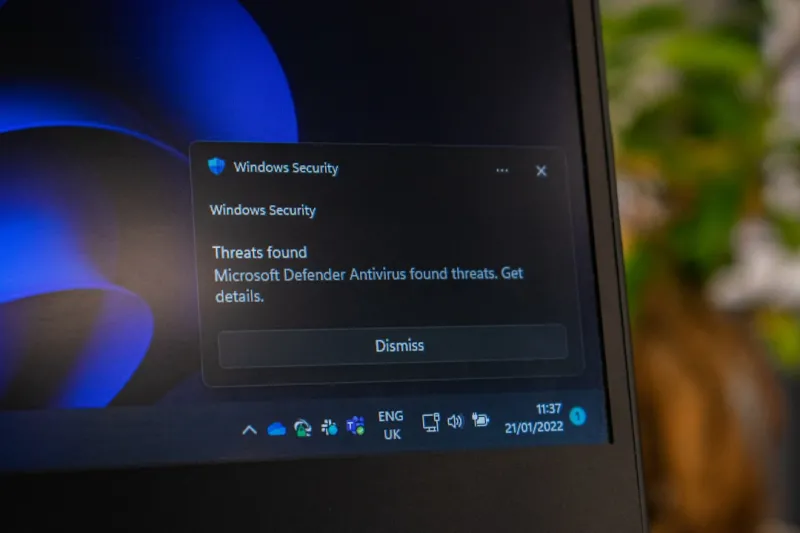
Modern malware has become more stealthy, leveraging fileless techniques and AI to evade traditional signatures. That’s why Windows 12 introduced a multi‑layered defense stack that includes hardware‑rooted trust, hyper‑visor isolation, and a cloud‑backed threat intelligence feed that updates in seconds. As a power user, you can’t rely on default settings alone; you need a tailored security playbook that aligns with your usage patterns. I recommend diving into the Power‑User’s Security Playbook to understand how to harden your system, enable Credential Guard, and configure Controlled Folder Access for sensitive directories. Pair these measures with regular sandboxed testing of new software, and you’ll create a resilient environment that can withstand even the most advanced attack vectors.
Command‑Line Mastery: PowerShell 8 Takes the Lead
If you thought PowerShell was just a scripting tool, think again. PowerShell 8, released alongside Windows 12, now ships with native AI assistance that can autocomplete complex cmdlets based on contextual clues from your script history. This makes it possible to write sophisticated automation pipelines in a fraction of the time. For example, you can script a one‑click cleanup routine that clears event logs, resets network adapters, and re‑indexes the file system—all while logging each step to a secure audit trail. The new Invoke‑AI cmdlet lets you call out to the OS’s AI engine directly from the console, opening doors to dynamic decision‑making scripts that adapt to real‑time performance metrics. Mastering these capabilities is essential for any power user who wants to stay ahead of the curve and keep their Windows machine humming like a well‑tuned engine.
Storage Strategies: Speed, Capacity, and Longevity
Windows 12’s Storage Spaces Direct has been refined to support tiered storage across NVMe, SATA SSD, and even high‑capacity HDDs without sacrificing performance. As someone who juggles massive video archives, large codebases, and a growing library of AI model checkpoints, I’ve learned that a balanced storage strategy is vital. The operating system now offers an intelligent “auto‑tier” feature that migrates hot data to the fastest NVMe pool while relegating cold files to slower, high‑capacity drives. To get the most out of this, read the Hard Drive Strategies for Power Users guide, which outlines how to configure storage tiers, set up periodic TRIM schedules, and use PowerShell to monitor wear‑level indicators. By aligning your storage layout with Windows 12’s native tiering, you’ll experience snappy load times without constantly upgrading hardware.
Future‑Proofing Your Home Network in 2026
A power‑user PC is only as good as the network it runs on, especially with the surge in cloud‑backed AI workloads and 8K streaming. Windows 12 now integrates a built‑in network diagnostics suite that can pinpoint latency spikes, packet loss, and even ISP throttling in real time. To truly future‑proof your setup, consider segmenting IoT devices onto a separate VLAN, enabling WPA3 Enterprise for your main SSID, and deploying a mesh network that supports Wi‑Fi 7 for ultra‑low latency. The Future‑Proof Your Home Network article walks you through configuring these features, including step‑by‑step PowerShell scripts for automated monitoring and alerts. When you combine a robust network with Windows 12’s native QoS policies, you’ll notice smoother gameplay, faster file transfers, and a more reliable platform for remote development.
Legacy Compatibility and Virtualization
One of Windows’ enduring strengths is its commitment to backward compatibility, and Windows 12 continues this tradition by offering an enhanced Windows Subsystem for Linux (WSL) 3 and a revamped Hyper‑V hypervisor. These tools let you run legacy Windows 7 applications in isolated containers without sacrificing performance, while also providing a seamless bridge to Linux‑only development stacks. For power users who still rely on older CAD software or niche industry tools, this means you can spin up a lightweight VM that mirrors a legacy environment, complete with GPU passthrough for hardware acceleration. The OS also introduces “Dynamic Memory Allocation” for VMs, which intelligently redistributes RAM based on active workload, ensuring that your host system remains responsive even under heavy virtualization loads.
Hardware Choices That Complement Windows 12
Choosing the right hardware is crucial to unlock Windows 12’s full potential. The new OS is optimized for the latest Intel Alder Lake‑X and AMD Zen 5 architectures, but it also embraces ARM‑based devices for ultra‑portable power users. When building a future‑proof PC, prioritize a motherboard that supports PCIe 5.0, as this will enable the fastest NVMe drives and next‑gen graphics cards. Pair this with a DDR5‑5600 kit for memory bandwidth that can keep up with AI‑driven workloads. The Power‑User Hardware Guide dives deep into component selection, cooling solutions, and even recommends a 1000 W platinum PSU to handle the occasional overclocking spikes. With a balanced hardware foundation, Windows 12’s AI and security features can operate at peak efficiency, delivering a smooth, secure experience day after day.
Looking Ahead: The Power‑User Mindset in 2026
At its core, being a Windows power user isn’t just about mastering shortcuts or tweaking settings; it’s about adopting a mindset of continuous learning and proactive defense. The platform’s rapid evolution—driven by AI, security, and hardware innovations—means there’s always a new layer to explore. By staying engaged with the community, regularly revisiting guides like the Operating System Mastery for Power Users series, and experimenting with emerging APIs, you’ll keep your setup not only functional but truly future‑ready. So, fire up that Windows 12 machine, enable the AI copilot, lock down your defenses, and let the OS do the heavy lifting while you focus on creating, building, and pushing the boundaries of what a modern PC can achieve.