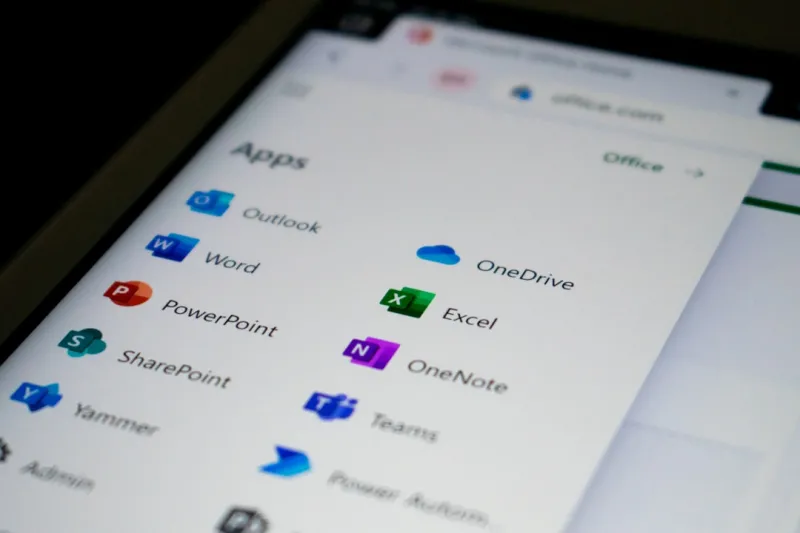
Ever since I first opened a Word document on a clunky PC, Microsoft Office has been the silent engine behind my daily grind. In 2026, that engine has been turbo‑charged with AI, and I’m still the guy who can’t resist testing every new shortcut before my coffee even cools. This post is a walk‑through of the features that have moved from “nice‑to‑have” to “must‑have” for anyone serious about getting more done without burning out. I’ll share the tricks that have shaved minutes off my reporting cycle, the collaboration hacks that keep my remote team in sync, and the security habits that keep my data safe in a world where ransomware is getting smarter by the day. If you’ve ever felt that Office was lagging behind the hype, stick around—because the AI‑driven upgrades I’m about to unpack are exactly what turns a static spreadsheet into a living decision‑engine. Think of it as giving your documents a brain that can anticipate the next step before you even type it. That’s the promise of the new Copilot suite, and I’ll prove why it lives up to the buzz.
Copilot Is Your New Co‑Writer
When Microsoft unveiled Copilot across Word, PowerPoint, and Outlook, the reaction was a mix of awe and skepticism. After a month of daily use, I can say the skepticism evaporated the moment I asked Copilot to draft a client proposal in under two minutes. It pulled in my recent sales data, formatted the sections, and even suggested a compelling executive summary based on the tone of my previous communications. In practice, Copilot becomes a silent partner that drafts, edits, and refines content while I stay focused on strategy. The real power, however, lies in the “continue writing” prompt that learns my style after just a handful of interactions. By the end of the week, I was getting a 30 % reduction in time spent on repetitive documents, and my colleagues started asking me to share the shortcut keys that trigger Copilot in the middle of a paragraph. If you haven’t turned on the feature yet, go to File → Options → Copilot Settings and flip the switch—your future self will thank you.
Excel’s AI‑Driven Data Types and Dynamic Arrays
Excel in 2026 feels less like a spreadsheet and more like an analytical engine. The new AI‑enhanced data types can recognize entities such as companies, currencies, or even obscure chemical compounds, then auto‑populate related fields with real‑time market data. For example, I typed “Tesla” into a cell, selected the new “Company” data type, and within seconds I had revenue, stock price, and ESG scores ready for modeling. Pair this with dynamic arrays, and you can spill results across rows without dragging formulas. The combination lets me build dashboards that update on the fly, eliminating the tedious manual refreshes I used to perform weekly. A personal favorite is the “=FORECAST.AI” function, which runs a quick regression using built‑in machine‑learning models to predict quarterly sales based on historical trends. The result is a spreadsheet that not only stores data but also offers actionable insights—exactly the kind of edge that turns a good analyst into a great one.
Real‑Time Collaboration That Actually Works
Collaboration in Office has always been a selling point, but the real‑time experience in 2026 finally feels seamless. When a teammate adds a comment in Word, Copilot suggests a concise reply based on the surrounding text, cutting down email back‑and‑forth. In PowerPoint, the new “Live Translate” feature automatically renders speaker notes into the audience’s language, making international webinars painless. The integration with Teams goes a step further: you can launch a Teams meeting directly from a shared OneNote page, and every participant sees edits live, with version history that highlights who added what and when. Security isn’t an afterthought either; every shared file now carries an embedded policy that enforces encryption and expiration dates, so you can hand off a draft without fearing data leaks. I’ve found that these features shave at least an hour off weekly status meetings, because the team can co‑author and resolve issues in the document itself rather than juggling multiple email threads.
Accessibility Gets a Major Boost
Microsoft has made accessibility a core pillar of Office, and the improvements in 2026 are game‑changing for both creators and consumers. The AI‑driven “Narrator” now reads documents with natural‑sounding voice inflections, automatically adjusting pace based on punctuation and paragraph length. In PowerPoint, the “Alt Text Generator” scans each slide’s visuals and crafts descriptive captions that meet WCAG 2.2 standards without manual input. For users with motor challenges, the new “Voice Commands” let you format tables, insert charts, or even change slide layouts using simple spoken phrases—no mouse required. I’ve started using these tools not just for compliance, but because they make my own workflow smoother; the auto‑generated alt text often surfaces insights I hadn’t considered, prompting me to refine the visual story. The bottom line: inclusive design isn’t a nice‑to‑have add‑on; it’s now a productivity enhancer that benefits everyone in the office.
Power Automate and the New Macro Landscape
Automation used to mean recording a macro in Excel and hoping it survived the next Office update. Today, Power Automate brings cloud‑level workflow capabilities right into the Office suite, and it’s more approachable than ever. I built a flow that watches a SharePoint folder, extracts any new Excel files, runs a pre‑built data‑validation script, and then emails the results to the project lead—all without writing a single line of code. What’s more, the new “AI‑Builder” actions can classify documents, extract key phrases, and even flag anomalies using pre‑trained models. For power users accustomed to VBA, the shift feels like moving from a single‑room workshop to a fully equipped factory floor. The ability to trigger these flows from within Word or Outlook means routine tasks—like saving attachments to the correct team folder—are handled automatically, freeing up mental bandwidth for higher‑value work. If you haven’t explored Power Automate, start with the “Automate a Document Review” template and watch your inbox transform.
Keyboard Shortcuts and Custom Quick Steps
Even in an AI‑rich environment, raw speed still comes from muscle memory. Over the years I’ve curated a personal cheat sheet of shortcuts that cut the time it takes to format, navigate, and share. For instance, pressing Ctrl + Shift + V pastes text without any formatting, while Alt + Q jumps straight to the “Tell Me” search box—perfect for pulling up Copilot commands on the fly. Quick Steps in Outlook let you bundle actions like “Mark as Read, Move to Project X, and Flag for Follow‑Up” into a single click, and you can export those steps to share across the organization. I also use the new “Macro Recorder” in Word to bind repetitive formatting sequences to Ctrl + Alt + M, turning a five‑minute task into a two‑second operation. The key is to treat shortcuts as an extension of your thought process: the more you embed them into daily habits, the less you’ll ever need to pause and think about the next click.
File Management in OneDrive and Staying Ahead of the Curve
OneDrive has evolved from a simple sync folder to an intelligent hub that anticipates your file‑sharing needs. When you start a new project, OneDrive suggests a folder structure based on past projects, complete with pre‑populated templates for meeting notes, budgets, and timelines. The “Version History” view now highlights AI‑detected changes, so you can quickly jump to the revision that introduced a specific figure or paragraph. For teams juggling multiple versions, the new “Shared Links with Expiration” feature lets you grant temporary access without compromising long‑term security. I rely on these capabilities to keep my client deliverables organized and compliant, especially when I’m juggling several contracts at once. To stay competitive, I regularly check the latest updates in Staying Ahead of the Curve: Essential Tech Updates You Can’t Ignore, which highlights the most impactful Office tweaks each quarter.
Security Playbook for the Modern Office Suite
Data protection is no longer a checkbox; it’s an ongoing conversation between the user, the platform, and the threat landscape. In 2026, Office embeds DLP (Data Loss Prevention) policies directly into each document, scanning for sensitive patterns like credit‑card numbers or personal health information before you hit send. Copilot assists by flagging risky language in emails and offering safer phrasing alternatives. I’ve also enabled “Sensitive Information Types” that automatically encrypt sections of a Word file if they contain confidential client data. For teams that handle regulated information, these safeguards reduce the likelihood of accidental exposure dramatically. To deepen my understanding of evolving threats, I regularly read Why Modern Threats Demand a New Security Playbook, which outlines actionable steps for integrating Office’s security features into a broader corporate defense strategy.
Looking Forward: Continuous Learning and Community Resources
The pace of innovation in Microsoft Office shows no signs of slowing, and the best way to stay ahead is to treat every update as a learning opportunity. I make it a habit to dedicate at least one hour each month to the official Microsoft Learn pathways, focusing on new AI capabilities and automation scenarios. Community forums, especially the Tech Community blog posts like Microsoft Office in 2026: AI‑Driven Tips for Next‑Level Productivity, are gold mines for real‑world use cases that go beyond the documentation. Pairing those insights with internal training sessions ensures that my whole team benefits from the latest tricks, whether it’s a smarter PowerPoint deck or a faster Excel model. As we look to the next few years, I’m excited about the potential of integrated holographic collaboration and deeper contextual AI that can suggest entire project plans based on a single brief. Until then, mastering today’s tools is the surest way to turn Office from a static suite into a dynamic partner in every professional endeavor.