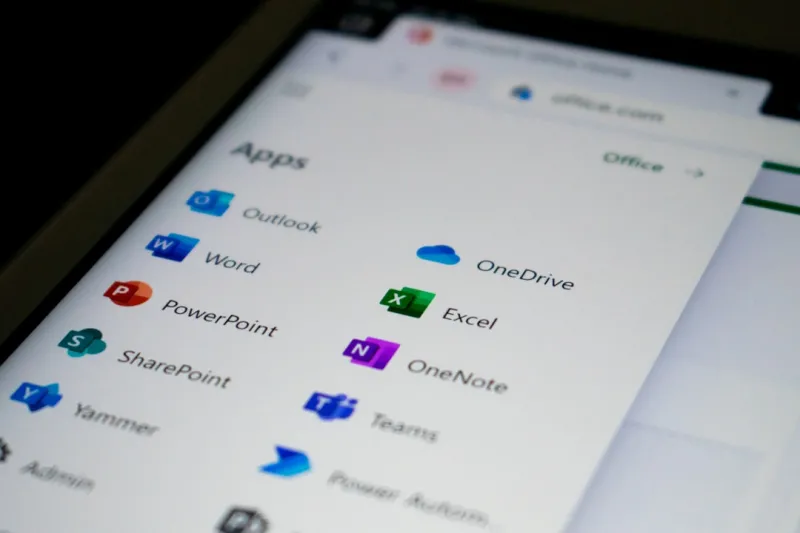
When I first opened Microsoft Office this morning, the familiar ribbon felt like an old friend who had just learned a few new tricks. In 2026, Office isn’t just a suite of static apps; it’s a living, breathing productivity engine that adapts to the way we work, play, and even dream. As a self‑declared power‑user, I’m constantly hunting for the shortcuts, integrations, and hidden settings that let me squeeze every ounce of efficiency from Word, Excel, PowerPoint, and the ever‑evolving Teams. Over the past year, I’ve experimented with AI‑driven assistants, deep‑linking between desktop and cloud, and a slew of security hardening techniques that keep my data safe without slowing me down. In this post I’ll walk you through the most compelling updates, reveal the secret menus that most users never see, and show you how to turn Office into a personal command center that works as hard as you do—no matter whether you’re drafting a proposal, crunching a massive dataset, or delivering a virtual keynote.
The AI Revolution Inside Office Apps
Microsoft has taken a bold step in 2026 by embedding large‑language‑model copilots directly into the core Office applications. In Word, the “Smart Compose” feature now suggests whole paragraphs that match your tone, style, and even the industry jargon you’ve used before. Excel’s “Data Insights” goes beyond simple charts; it can generate predictive models, suggest pivot tables, and even write custom Power Query scripts based on plain‑English prompts. PowerPoint’s “Designer AI” now auto‑creates slide decks that adhere to your brand guidelines, complete with animations that sync to your narration. I’ve found that using these AI helpers responsibly—by double‑checking facts and fine‑tuning suggestions—cuts drafting time by up to 40 %. The key is to treat the copilot as a collaborator, not a replacement, and to embed its suggestions into your workflow through quick keyboard shortcuts and custom ribbons.
Collaboration Has Never Been This Seamless
Teams has evolved from a chat platform into the central hub for Office collaboration. Real‑time co‑authoring now feels like a shared whiteboard where changes appear instantly, and the new “Focus Mode” lets you isolate a document while still receiving silent notifications for critical comments. One of my favorite hidden gems is the “Channel Files Sync” feature, which mirrors a selected Teams channel’s files directly into your OneDrive, enabling offline access and automatic version control. This means you can work on a PowerPoint deck from a coffee shop, have the changes sync the moment you reconnect, and still maintain the same audit trail you’d get in a corporate environment. The integration also extends to Outlook, where meeting invites now embed live Office docs, allowing participants to edit agendas on the fly without leaving their calendar view.
Unlocking Hidden Power‑User Features
For those of us who love to dig beneath the surface, Office 2026 hides a treasure trove of productivity boosters. In Excel, the “Advanced Formula Builder” lets you construct nested IF statements with a visual flowchart, dramatically reducing errors in complex financial models. Word’s “Macro Recorder Pro” now captures not just keystrokes but also mouse gestures, letting you automate repetitive formatting tasks with a single click. PowerPoint introduced “Slide Master Templates” that can be swapped across presentations in seconds, preserving your corporate identity without manual tweaking. To truly master these tools, I recommend checking out the comprehensive guide Microsoft Office in 2026: The Power‑User’s Ultimate Productivity Playbook, which walks you through each hidden setting with step‑by‑step screenshots and real‑world use cases.
Security: A Zero‑Trust Mindset for Office Docs
In an era where ransomware can encrypt a single spreadsheet and bring an entire department to a halt, a zero‑trust approach to Office files is non‑negotiable. Microsoft’s latest “Secure Collaboration” framework enforces end‑to‑end encryption for every document shared via OneDrive or Teams, and it integrates seamlessly with Azure Active Directory’s conditional access policies. I’ve layered this with the recommendations from Why Modern Malware Demands a Power‑User’s Zero‑Trust Mindset, such as enforcing MFA for any document edit, disabling macro execution on untrusted files, and leveraging sensitivity labels that automatically apply classification rules. By combining these measures, you can share a budget forecast with external partners without fearing accidental data leaks, and you’ll have a clear audit trail that satisfies compliance auditors.
Custom Add‑Ins and the New Office Store
One of the most underutilized aspects of Office 2026 is the revamped Office Store, which now hosts AI‑enhanced add‑ins that can be installed with a single click. I’ve added “DataCleaner AI” to Excel, which automatically detects outliers, suggests data type corrections, and even proposes visualizations based on the underlying dataset. In Word, the “Citation Genie” add‑in pulls bibliographic data from academic databases and formats it in any citation style with a single shortcut. PowerPoint’s “Storyboard Builder” helps you map out narratives before you even open a slide deck, ensuring a logical flow that engages audiences. These add‑ins respect the same security policies mentioned earlier, and you can manage them centrally via the Microsoft 365 admin portal, making it easy to roll out approved tools across a whole organization.
Windows Integration: Making Office Feel Native
Microsoft has tightened the bond between Windows 11 and Office, delivering a fluid experience that feels native rather than an afterthought. The new “Office Widgets” appear on your Windows taskbar, showing real‑time KPI dashboards from Excel, pending emails from Outlook, and upcoming meeting agendas from Teams—all without opening a full application. You can also launch any Office file directly from the Windows Search bar, and the OS will suggest relevant templates based on your recent activity. For power‑users who love keyboard‑first navigation, the “Win+O” shortcut opens a universal Office command palette, letting you jump to any feature across the suite with fuzzy search. Dive deeper into these capabilities with Unlocking the Full Potential of Windows for Power Users in 2026, which outlines how to fine‑tune your system for optimal Office performance.
Performance Tuning: Hardware Meets Software
Even the most polished software can feel sluggish if your hardware isn’t up to the task. Office 2026 leverages the latest multi‑core CPUs and hardware‑accelerated graphics pipelines to render complex spreadsheets and high‑resolution presentations instantly. I’ve paired a mid‑range RTX‑4060 GPU with a 12‑core Ryzen 9 processor, and the result is a buttery‑smooth experience when handling large PowerPoint files with embedded 4K video. Additionally, enabling the “Hardware Acceleration” toggle in the Office Options panel reduces CPU load by offloading rendering tasks to the GPU, which is especially beneficial for users who run multiple Office apps side‑by‑side. Pair this with a fast NVMe SSD, and you’ll notice file open times dropping from several seconds to under a second—a tangible boost for anyone who lives by the click‑and‑move rhythm of modern work.
The Road Ahead: AI Copilots and Beyond
Looking forward, Microsoft’s roadmap hints at even deeper AI integration, including a “Contextual Insight Engine” that will proactively surface relevant data from across your Office ecosystem as you type. Imagine drafting a proposal in Word and having Excel automatically pull the latest sales figures into a table, all without you lifting a finger. The upcoming “Multimodal Collaboration” feature promises real‑time translation of spoken ideas into written notes, enabling truly global teams to brainstorm without language barriers. While these features are still in preview, early adopters can enroll via the Office Insider program, giving you a front‑row seat to the future of productivity. Staying ahead of these innovations means continuously revisiting your workflow, testing new AI suggestions, and adjusting security settings to keep pace with the evolving threat landscape.
Conclusion: Make Office Work for You
Microsoft Office in 2026 is far more than a collection of static applications; it’s an adaptive platform that rewards curiosity, experimentation, and a commitment to security. By embracing AI copilots, leveraging hidden shortcuts, integrating tightly with Windows, and fortifying your documents with a zero‑trust mindset, you can transform everyday tasks into streamlined, high‑impact actions. I challenge you to pick one of the hidden features discussed above, try it out this week, and share your results with the community. The power to reinvent your productivity lies at your fingertips—literally. Keep exploring, stay secure, and let Office be the catalyst that propels your work to the next level.