Why Microsoft Office Feels Like a Super‑Charged Power‑User Toolkit in 2026
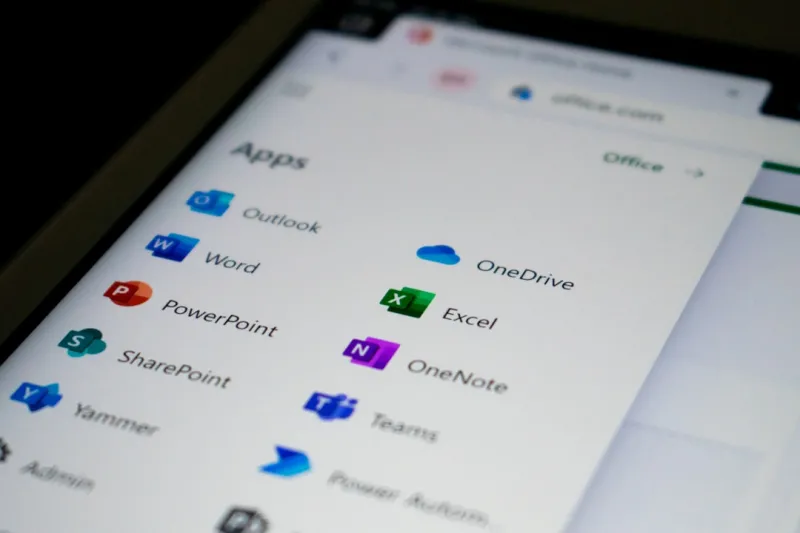
When I first unboxed my 2026 workstation, the excitement wasn’t just about the GPU or the new DDR6 memory—my real thrill came from seeing how Microsoft Office has morphed into a full‑blown productivity engine. Gone are the days of “just a word processor.” Today, Office is a living, breathing ecosystem that anticipates my needs, auto‑generates insights, and syncs seamlessly across every device I own. As a longtime power‑user, I’ve learned to treat Office not as a single app but as a modular platform that can be tweaked, scripted, and integrated with the rest of my workflow. In this post, I’ll walk you through the most compelling upgrades that make Office feel like an extension of your brain, from AI‑driven Copilot to hardened security layers, and why you should start leveraging them now to stay ahead of the curve.
Copilot: The AI Sidekick That’s Redefining How We Write, Analyze, and Present
Microsoft’s Copilot has become the undisputed MVP of Office in 2026. In Word, it can draft a full report from a simple bullet list, suggest tone adjustments, and even generate citations in the format you need—no more endless Googling for references. In Excel, the AI interprets natural‑language queries like “show me last quarter’s profit trends by region” and instantly builds a pivot table with conditional formatting. PowerPoint isn’t left behind; Copilot assembles slide decks, picks appropriate visuals, and applies design themes with a single command. What truly sets it apart is its contextual awareness: it pulls data from your OneDrive, Teams chats, and even Outlook calendars to make suggestions that feel eerily intuitive. As someone who juggles multiple projects, I’ve cut my document creation time by roughly 40% thanks to this smart companion. If you haven’t explored Copilot yet, dive in—your future self will thank you.
Real‑Time Collaboration Gets a Turbo Boost with Integrated Teams
Collaboration has always been a strong suit of Office, but 2026’s integration with Teams pushes it into overdrive. When you edit a Word doc, you can now see a live presence indicator that shows exactly who is typing where, complete with a mini‑chat pane that doesn’t force you to switch apps. Excel spreadsheets now support simultaneous formula editing, with instant conflict resolution that preserves every contributor’s intent. PowerPoint’s “Co‑Author Live” mode allows presenters to rehearse together, swapping slides on the fly while the AI suggests transitions based on the narrative flow. The biggest surprise for me was the new “Contextual Thread” feature that pulls relevant Teams conversations into the document sidebar, so you can reference past decisions without leaving the page. This level of cohesion turns a scattered team into a single, focused unit—exactly what any power user needs to keep projects moving at warp speed.
Excel’s New Data Science Toolbox: From Dynamic Arrays to AI‑Generated Insights
Excel has always been my go‑to for crunching numbers, and 2026 brings a suite of features that feel more like a data‑science platform than a spreadsheet. Dynamic arrays now support recursive calculations, allowing you to model complex financial scenarios without cumbersome helper columns. The brand‑new Insight Lens leverages Copilot to scan your dataset, highlight outliers, and suggest predictive models with a single click. You can ask, “What would happen if we increased our marketing budget by 15%?” and receive a forecast chart, confidence intervals, and a concise executive summary. Integration with Power Query has also been streamlined; you can pull data from APIs, clean it with AI‑driven transformations, and push the results directly into a PivotTable. For power users who rely on precise, rapid analysis, these upgrades turn Excel into a real‑time decision engine, slashing the time from data ingestion to actionable insight.
Security Reinvented: End‑to‑End Encryption and Document Rights Management
One of my biggest concerns when sharing sensitive files is ensuring they stay protected, especially in a world where breaches are still rampant. Office 2026 addresses this head‑on with built‑in end‑to‑end encryption for Word, Excel, and PowerPoint files, meaning the content is scrambled from the moment you hit “Save” until an authorized user opens it. Coupled with Azure Information Protection, you can set granular rights—view‑only, no‑copy, or time‑limited access—directly from the ribbon. If you want to dive deeper into protecting your data, check out Encryption Essentials for the Modern Power User, which walks through the best practices for combining Office’s native tools with third‑party key management solutions. With these layers, you can share confidential proposals or financial models with confidence, knowing that only the intended recipients can decrypt the content.
Automation at Scale: Power Automate, Macros, and AI‑Powered Scripts
Automation is the secret sauce that turns good productivity into great productivity. In 2026, Power Automate has become far more intuitive, letting you create flows using natural language. Need to extract data from an incoming email and populate an Excel sheet? Just type “When I receive an invoice email, add the totals to the quarterly spreadsheet,” and the flow builds itself. For those who still love classic VBA macros, Microsoft has introduced AI‑assisted macro generation that translates spoken instructions into code snippets, dramatically lowering the barrier to entry. Additionally, the new “Script Hub” lets you run Python or JavaScript directly within Excel, opening the door to sophisticated analytics without leaving the app. I’ve integrated these tools into my daily routine, automating report generation and reducing manual data entry to near zero—freeing up brainpower for higher‑order tasks.
Accessibility Breakthroughs: Voice, Vision, and Inclusive Design
Microsoft has taken accessibility a step further in Office 2026, ensuring that every user can interact with documents the way they prefer. Voice dictation now supports multi‑language switching on the fly, allowing you to dictate a paragraph in English, then seamlessly continue in Spanish without losing context. The new “Read Aloud+” feature not only reads text but also summarizes sections, highlights key points, and even offers alternative phrasing for clarity. For users with visual impairments, high‑contrast themes and AI‑generated alt‑text for images are automatically applied, making presentations more inclusive. These enhancements don’t just help those with specific needs; they speed up the workflow for everyone by providing alternative ways to consume and produce content—something any power user can appreciate when juggling tight deadlines.
Synergy with Windows 11: Unlocking Hidden Power for Office Users
If you thought Office was already powerful on its own, you haven’t explored its deep integration with Windows 11. Features like Snap Layouts now recognize when you’re working on a PowerPoint deck and automatically suggest a dual‑screen setup: slides on one monitor, speaker notes on the other. The new “Focus Assist” mode pauses notifications during critical editing sessions, while the built‑in “Task Bar Widgets” provide live document metrics—word count, revision history, and even AI‑generated suggestions—right at a glance. For a deeper dive into how Windows can amplify your Office experience, see Unlocking the Full Potential of Windows for Power Users in 2026. When the OS and the suite work hand‑in‑hand, you get a frictionless environment that feels almost magical.
Looking Ahead: How Hardware Trends Will Shape Office’s Future
Finally, it’s worth noting that the hardware landscape is influencing Office’s evolution just as much as software updates. The rise of AI‑accelerated CPUs and next‑gen GPUs means that on‑device AI features—like real‑time language translation in Word or instant chart generation in Excel—will run faster and more securely, without relying on cloud calls. If you’re planning a upgrade, consider the insights from Future‑Proof PC Upgrades: What Every Power User Needs in 2026, which outlines the components that will keep your workflow smooth for years to come. As Office continues to blend AI, collaboration, and security into a single, cohesive platform, aligning your hardware choices with these software capabilities will ensure you stay at the cutting edge of productivity.