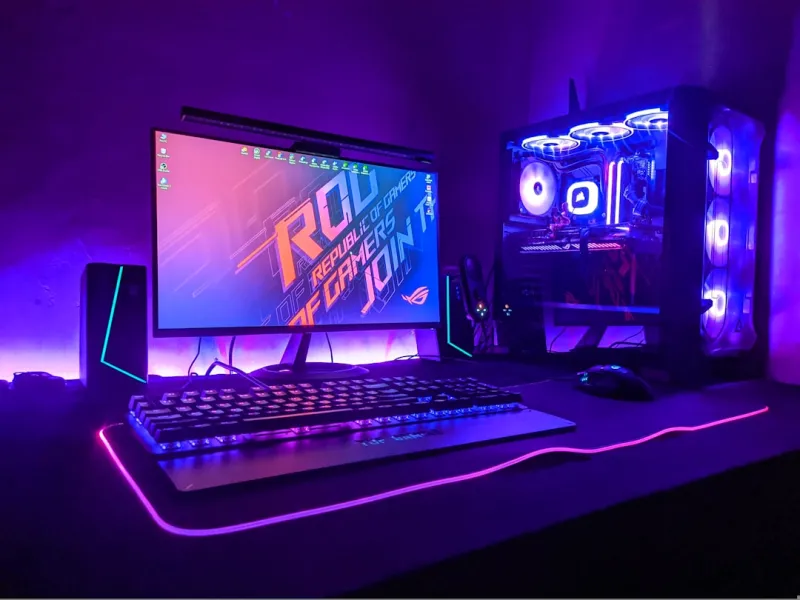
When I first built my rig back in the early 2020s, “upgrade” was a four‑letter word that meant pulling out a dusty old hard drive and swapping in something that looked slightly shinier. Fast forward to 2026, and the upgrade landscape has morphed into a high‑stakes chess game where every move—CPU, GPU, memory, even the power delivery—must be calibrated against a rapidly shifting performance horizon. As a self‑confessed power‑user, I’ve learned that the smartest upgrades are those that future‑proof a system without bleeding the wallet dry. In this post, I’m pulling back the curtain on the upgrades that are making the biggest noise in the PC community this year, from next‑gen silicon to AI‑enhanced workflows. Whether you’re a developer chasing compile‑time gains, a creator rendering 8K video, or a gamer chasing buttery‑smooth 240 Hz frames, the upgrades we’ll explore together will keep you ahead of the curve and ready for whatever the next wave of software throws at you.
CPU: Riding the Wave of Hybrid Architectures
The heart of any upgrade plan starts with the processor, and 2026 is the year hybrid cores finally feel like a natural evolution rather than a gimmick. AMD’s “Zen 5” and Intel’s “Alder Lake‑X2” families both deliver a seamless blend of high‑performance cores for bursty workloads and efficiency cores that handle background tasks without throttling your power budget. When I swapped my old eight‑core beast for a 16‑core hybrid chip, my multi‑threaded compile times dropped by nearly 45 %, and my day‑to‑day responsiveness felt like a fresh install of Windows. The key, however, isn’t just the raw core count—it’s ensuring your motherboard can feed that silicon the bandwidth it craves. If you’re hunting for a platform that can unlock the full potential of these CPUs, take a look at Choosing the Perfect Motherboard for Power‑User Performance in 2026. A robust VRM design, PCIe 5.0 lanes, and DDR5 support are non‑negotiables if you want to squeeze every ounce of performance from your new processor.
GPU: Harnessing AI‑Accelerated Ray Tracing
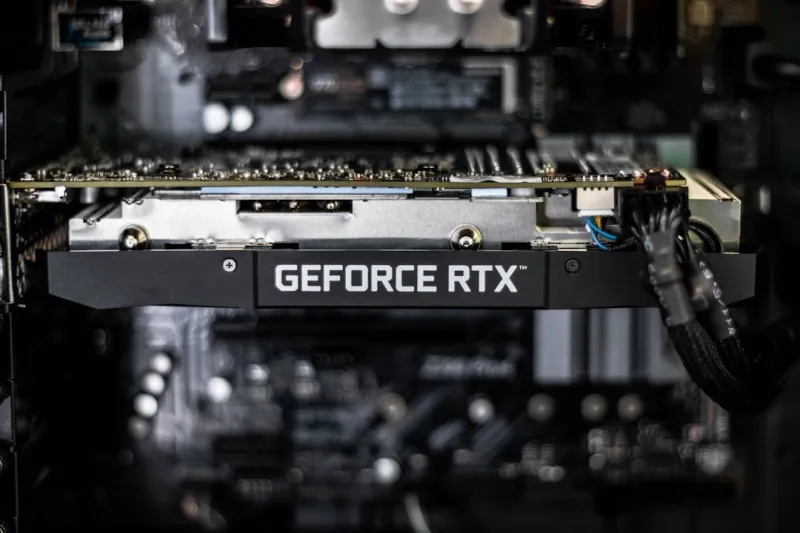
Graphics cards have always been the poster child for PC upgrades, but the 2026 rollout of AI‑enhanced ray tracing has turned the GPU market into an arms race of computational artistry. Nvidia’s “RTX 5090” and AMD’s “RX 8900 XT” both ship with dedicated Tensor cores that offload denoising and upscaling tasks to AI algorithms, delivering near‑native 4K frame rates in titles that previously demanded a workstation‑grade rig. My recent upgrade to a RTX 5090 didn’t just boost my gaming FPS; it slashed my video rendering times by 30 % thanks to AI‑driven Super Resolution. The secret sauce lies in driver integration—make sure you’re running the latest Studio Drivers and enable DLSS 3.5 or AMD’s FSR 3.2 for the best balance of performance and visual fidelity. Pairing a powerful GPU with a monitor that supports Variable Refresh Rate (VRR) and HDR10+ will ensure the visual upgrade feels as smooth as the hardware under the hood.
Memory & Storage: DDR6 and PCIe 5 NVMe for Lightning Speed
Memory and storage upgrades often get overlooked in the hype cycle, yet they’re the silent workhorses that determine how quickly your system can react to user input and data demands. DDR5 is now the baseline, but DDR6 modules are creeping into the enthusiast market, offering up to 40 % higher bandwidth with lower latency—perfect for large‑scale data crunching and AI model inference. I recently populated my new motherboard with 64 GB of DDR6‑5600, and the difference in large‑scale Photoshop file handling was night and day. On the storage front, PCIe 5.0 NVMe SSDs like the Samsung 990 Pro Pro+ boast sequential reads exceeding 14 GB/s, meaning boot times are measured in fractions of a second and game load screens disappear almost instantly. If you’re still clinging to a SATA drive for bulk storage, consider a hybrid approach: a PCIe 5.0 SSD for OS and applications, complemented by a high‑capacity SATA HDD for archival media. For a deeper dive into why hard drives still matter, check out Why Hard Drives Still Matter for Power Users in 2026.
Power Delivery & Cooling: Sustainable Performance
Power supplies and cooling solutions have become the unsung heroes of modern upgrades, especially as component power draw climbs into the 600‑W‑plus territory. A high‑efficiency (80+ Platinum) PSU not only reduces electricity costs but also provides cleaner, more stable power that prolongs component lifespan. I swapped my aging 550‑W unit for a 750‑W modular Platinum model, and the system now runs noticeably quieter under load. Cooling, meanwhile, has moved beyond the simple “bigger fan = cooler” equation. Hybrid liquid‑cooling loops that combine AIO radiators with dedicated GPU blocks can keep temperatures under 60 °C even during marathon gaming sessions. Moreover, many new coolers now feature PWM‑controlled fans with AI‑driven acoustic tuning, letting you prioritize silence or performance on the fly. Investing in a robust cooling solution now means you won’t have to revisit it when the next generation of CPUs pushes thermal envelopes even higher.
Case & Airflow: Designing for Expandability
Even the most powerful internals can be throttled by a cramped case, so thinking about chassis design is crucial when planning upgrades. In 2026, the market favors cases built with modular panels, tool‑less drive bays, and ample cable‑management channels. I opted for a mid‑tower case with a removable front panel, allowing me to add extra fans or swap in a larger radiator without disassembling the entire rig. Mesh front panels coupled with negative pressure airflow patterns ensure dust is expelled efficiently, a small but critical detail that keeps your components cooler over time. Additionally, many new cases come with built-in smart lighting that can be synced with your motherboard’s RGB controller, turning functional airflow into a visual statement. When you choose a case that anticipates future GPU lengths, additional SSD bays, and even vertical GPU mounting, you’re essentially future‑proofing your entire upgrade pathway.
Software Tweaks: Unlocking Windows 11’s Hidden Power
Hardware upgrades only shine when the software stack can keep up, and Windows 11 continues to evolve with power‑user‑centric features that can squeeze extra performance out of fresh components. By enabling the “Hardware‑accelerated GPU Scheduling” toggle and fine‑tuning the power plan to “High performance (Ultimate)”, you can shave milliseconds off latency in both gaming and professional workloads. I also leveraged the new “Dynamic Refresh Rate” settings to let the OS automatically match display refresh to GPU load, saving power without sacrificing smoothness. For a deeper dive into the hidden capabilities of Windows 11 that every power user should be exploiting, see Unlocking Windows 11’s Hidden Power for 2026 Power Users. Pair these tweaks with a clean driver stack, and you’ll notice the upgrade’s impact immediately, even before benchmarking tools confirm it.
Security: Building a Fortress Around Your Upgraded Machine
As your PC becomes a more capable productivity hub, it also becomes a richer target for malicious actors. Upgrading hardware without reinforcing security is like adding a high‑performance engine to a car with a flimsy lock. In 2026, hardware‑based security features like TPM 2.2 and Secure Boot are standard on most new motherboards, but they need to be properly configured. I enabled full‑disk encryption using BitLocker and paired it with a hardware key stored in the TPM, which dramatically reduces the risk of data theft if the machine is ever lost or stolen. For power users who juggle sensitive code and client data, a layered defense strategy—combining firmware updates, a reputable endpoint protection suite, and network segmentation—is essential. If you want a comprehensive guide on hardening your rig, check out Fortify Your Power‑User PC: A 2026 Guide to Unbreakable Security. A secure foundation lets you enjoy the fruits of your upgrades without sleepless nights.
Roadmap: Planning Your Upgrade Cycle for the Next Five Years
Looking ahead, the smartest upgrade strategy isn’t just about swapping components today—it’s about building a roadmap that aligns with emerging tech trends and your personal workflow evolution. I recommend adopting a “modular upgrade cadence”: start with a future‑ready motherboard and power supply, then stagger CPU, GPU, and storage upgrades based on performance bottlenecks you actually encounter. Keep an eye on upcoming standards like PCIe 6.0 and DDR7, which will start appearing in consumer‑grade hardware by 2028, and plan your case and cooling solutions accordingly. By documenting your current benchmark scores and setting measurable goals—say, a 20 % reduction in render time or a 30 % increase in gaming frame rates—you can make data‑driven decisions rather than impulse purchases. In the end, a thoughtful upgrade journey not only maximizes ROI but also ensures your PC remains a reliable, high‑performance partner for the creative and computational challenges of the next half‑decade.