When I first cracked open my tower back in the day, the idea of a “upgrade” felt like a vague promise—more horsepower, a slicker frame, or that one extra gig of RAM. Fast‑forward to 2026, and upgrading a PC has become an art form, a strategic dance between hardware trends, software demands, and that ever‑present hunger for speed. As a longtime power‑user, I’ve learned that the best upgrades aren’t just about slapping the newest part onto the bus; they’re about creating a harmonious ecosystem where each component amplifies the others. In this guide, I’ll walk you through the upgrades that matter most, why timing matters, and how to avoid the classic pitfalls that turn a dream rig into a maintenance nightmare. Whether you’re chasing 4K gaming, AI‑assisted workflows, or just a buttery‑smooth multitasker, the principles below will keep your rig future‑ready and humming at peak performance.
Graphics Card: The Heartbeat of Modern Performance
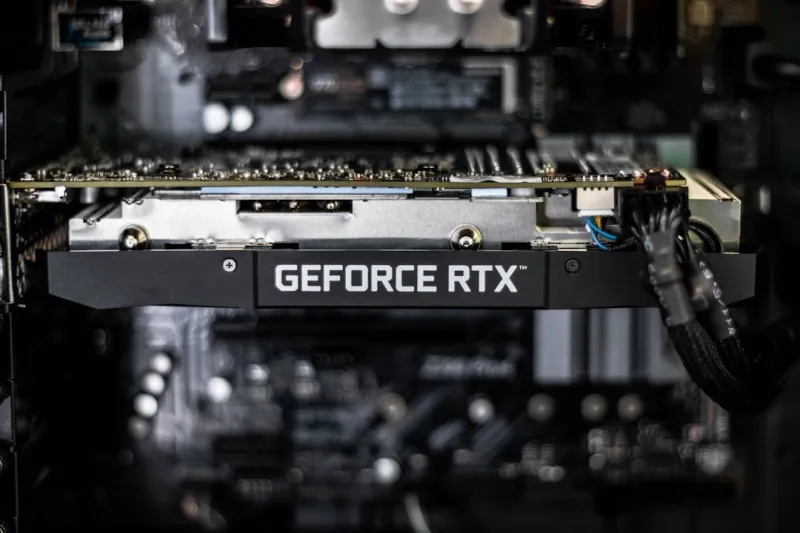
The GPU remains the most visible indicator of a PC’s capability, especially as games and creative apps lean heavily into ray tracing, AI‑upscaled rendering, and real‑time physics. In 2026, the market is dominated by chips that blend traditional rasterization cores with dedicated AI tensor units, meaning you’ll see massive gains not just in frame rates but also in content creation tasks like video upscaling. Before you rush to the checkout, diagnose any existing issues—nothing is more frustrating than a new card that sputters under load. My go‑to resource for troubleshooting is When Your GPU Misbehaves: Proven Fixes for Power Users, which walks you through everything from driver rollbacks to BIOS tweaks. Once the groundwork is laid, prioritize a card with at least 12 GB of GDDR7 memory and a PCIe 5.0 interface; this combination guarantees bandwidth headroom for the next three to five years of demanding titles and AI workloads.
CPU and the Rise of Hybrid Architectures
Central processing units have taken a quantum leap thanks to hybrid designs that blend high‑performance cores with efficient efficiency cores. This architecture mirrors what mobile chips have done for years, but now it’s in the desktop realm, delivering both raw power for heavy compiles and low‑power efficiency for background tasks. When selecting a CPU, look beyond clock speed; evaluate core count, cache size, and the balance between performance and efficiency cores. For power users who dabble in AI model training or run multiple virtual machines, a processor with at least 12 performance cores and 8 efficiency cores will keep latency low and multitasking buttery smooth. Pairing the right CPU with a compatible motherboard is crucial—don’t overlook the importance of a robust VRM design that can handle sustained power draw without throttling. Remember, a well‑chosen CPU can extend the lifespan of your entire system, delaying the need for a full platform refresh.
Motherboard: The Secret Weapon of Power Users
While the CPU and GPU often steal the spotlight, the motherboard is the unsung hero that determines stability, expandability, and overclocking potential. In 2026, boards with PCIe 5.0, DDR5‑5600+ support, and native Wi‑Fi 7 are becoming the norm, but not all are created equal. The key is to focus on VRM quality, robust power delivery, and ample M.2 slots for future storage upgrades. A well‑designed board also offers BIOS flexibility, which is essential for fine‑tuning both CPU and memory timings. If you’re unsure where to start, check out Why Your Motherboard Choice Is the Secret Weapon of Power Users. This deep dive explains why a premium board can be the difference between a stable overclock and a crash‑and‑burn scenario, and it highlights features like dual BIOS and advanced thermal sensors that give you a safety net when pushing limits.
Memory: Speed, Capacity, and Stability
RAM upgrades are often the easiest win for noticeable performance gains, especially in memory‑hungry workloads like video editing, large data sets, or running multiple VMs. In 2026, DDR5 has matured, offering speeds beyond 7200 MT/s, but raw speed isn’t the sole factor; latency and CAS timings still play a role in real‑world responsiveness. Aim for at least 32 GB of RAM for a future‑proof setup, with the option to expand to 64 GB as your needs evolve. Pair high‑speed modules with a motherboard that supports the full advertised frequency—some boards automatically downclock if the power delivery isn’t sufficient. If you encounter instability, the troubleshooting steps outlined in When RAM Acts Up: A Power‑User’s Guide to Diagnosing and Fixing Memory Issues can help you pinpoint faulty sticks or timing mismatches before they become a headache.
Storage: PCIe 5.0 NVMe for Lightning‑Fast Access
Storage has evolved from a bottleneck to a catalyst for productivity. PCIe 5.0 NVMe SSDs now deliver sequential read speeds exceeding 14 GB/s, slashing game load times and accelerating large file transfers. When planning an upgrade, consider a tiered storage approach: a high‑capacity SATA SSD for archival data and a smaller, blazing‑fast NVMe drive for OS, applications, and active projects. This strategy balances cost and performance while ensuring your most critical data benefits from the lowest latency path. Additionally, take advantage of the new “hemi‑partition” feature some drives offer, allowing you to allocate a portion of the drive as a cache for frequently accessed files—perfect for speeding up 3D rendering caches or AI training datasets. Don’t forget to enable the drive’s native power‑management settings in the BIOS to keep thermals in check and prolong lifespan.
Power Supply and Cooling: The Unsung Foundations
Even the most cutting‑edge components will falter without a reliable power delivery system and effective cooling. In 2026, 80 PLUS Gold and Platinum units have become the baseline for high‑performance rigs, delivering consistent voltage under heavy load while maintaining efficiency. Choose a PSU that offers at least 20% headroom above your estimated peak draw—this not only prevents throttling but also reduces acoustic noise. On the cooling front, hybrid solutions that combine liquid‑cooled radiators for the CPU with high‑static‑pressure fans for the GPU and VRMs provide the best thermal envelope. Pay attention to the PSU’s modularity; fully modular cables reduce clutter, improving airflow and simplifying future upgrades. A well‑ventilated chassis paired with a quality PSU and targeted cooling can keep temperatures sub‑70 °C even during marathon gaming sessions or intensive AI model training.
Case and Cable Management: Aesthetic Meets Function
The case is more than a decorative shell; it dictates airflow patterns, noise levels, and ease of maintenance. Modern cases now feature integrated dust filters, magnetic side panels, and customizable RGB lighting that syncs with motherboard software—great for those who want a visual flair without sacrificing performance. When assembling, adopt a top‑down cable management approach: route power cables behind the motherboard tray, bundle data cables with Velcro straps, and use zip ties sparingly to avoid crushing airflow. A tidy interior not only looks professional but also reduces turbulence, allowing fans to move air more efficiently. If you plan to expand with additional storage or radiators, select a case with ample drive bays and mounting points, ensuring future upgrades won’t force you into cramped, sub‑optimal configurations.
Software Integration: Leveraging Modern Operating Systems
Hardware upgrades reach their full potential only when paired with a modern, well‑optimized operating system. Windows 11 in 2026 brings AI‑driven resource allocation, smarter power profiles, and deeper integration with hardware telemetry, allowing the OS to dynamically adjust performance based on workload. Make sure you run the latest OS build and keep drivers updated through manufacturer portals or tools like Mastering Windows in 2026: AI, Security, and Power‑User Tactics. Additionally, enable features like DirectStorage for reduced CPU overhead in gaming and leverage the built‑in performance monitor to fine‑tune BIOS settings. A well‑tuned software stack can shave milliseconds off load times and stabilize overclocked components, turning raw hardware power into tangible user experience gains.
Future‑Ready Outlook: Building for the Next Wave
Looking ahead, the best upgrade strategy is one that anticipates tomorrow’s demands while delivering immediate value. By focusing on a robust motherboard, a high‑bandwidth PCIe 5.0 GPU, a hybrid CPU, and DDR5 memory with ample capacity, you create a platform that can adapt to emerging technologies like AI‑accelerated workloads and next‑gen VR. For a comprehensive blueprint that ties these elements together, see Future‑Ready Hardware: Building a Power‑User PC That Thrives in 2026. This guide outlines component synergy, upgrade pathways, and budgeting tips that keep you ahead of the curve without overspending. With the right foundation, each future upgrade becomes a simple swap rather than a full rebuild, ensuring your rig remains a powerhouse for years to come.