Hard drives have been the unsung workhorse of every PC since the floppy disk era, but in 2026 the landscape is anything but static. As I unpack my latest build for a client who demands both massive media libraries and razor‑sharp performance, I’m constantly reminded that storage choices now dictate whether a machine feels futuristic or stuck in the past. The rise of AI‑driven applications, ultra‑high‑resolution video, and real‑time data analytics means that a drive’s raw speed, endurance, and intelligent management capabilities have become as critical as the CPU clock. In this post I’ll walk you through the trends that are reshaping hard‑drive tech, why you should care about the shift from traditional spinning platters to next‑gen NVMe modules, and how to future‑proof your storage stack without breaking the bank.
Why the HDD Isn’t Dead—Yet
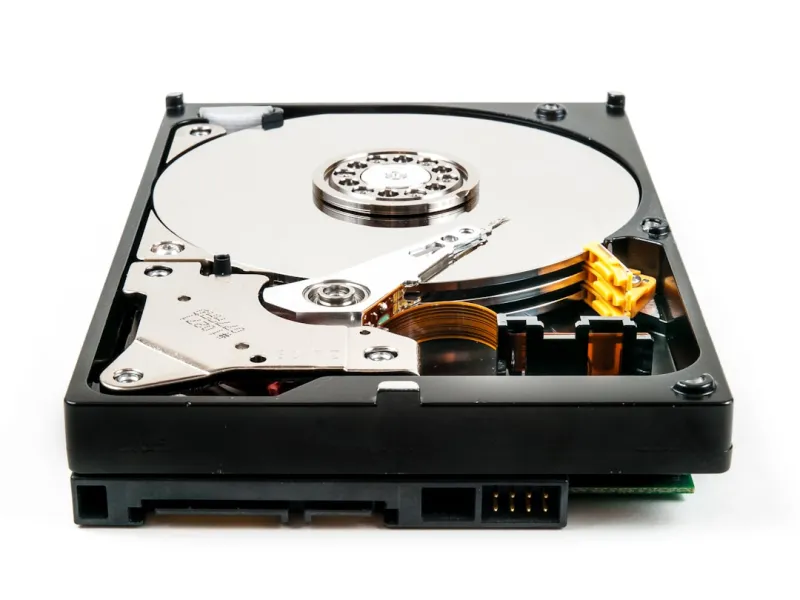
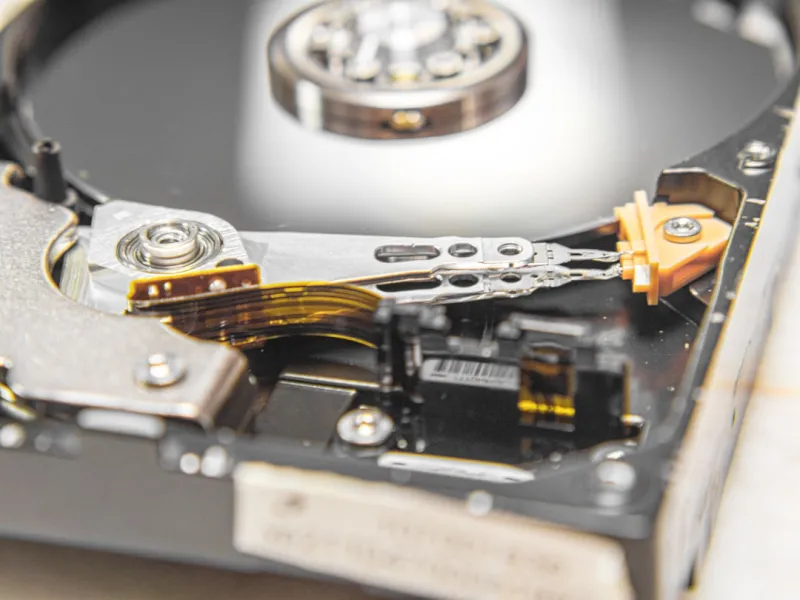
Even as SSDs dominate the consumer market, the classic hard‑disk drive (HDD) still holds a vital niche, especially for bulk archival storage. In 2026, manufacturers have pushed areal density beyond 2 TB per platter, delivering 20 TB and even 30 TB models at price points that make them attractive for home media servers, backup rigs, and small‑business NAS units. The key advantage remains cost per gigabyte, which still outpaces SSDs by a factor of three or more. However, the trade‑off is latency; a 7200 RPM drive will still lag behind an NVMe SSD by an order of magnitude when accessing random data. For most gamers, the answer is simple: pair a modest SSD for the OS and favorite titles with a high‑capacity HDD for the rest of the library. This hybrid approach leverages the strengths of both technologies, keeping budgets realistic while still delivering snappy load times where it counts.
The NVMe Revolution and PCIe 5.0
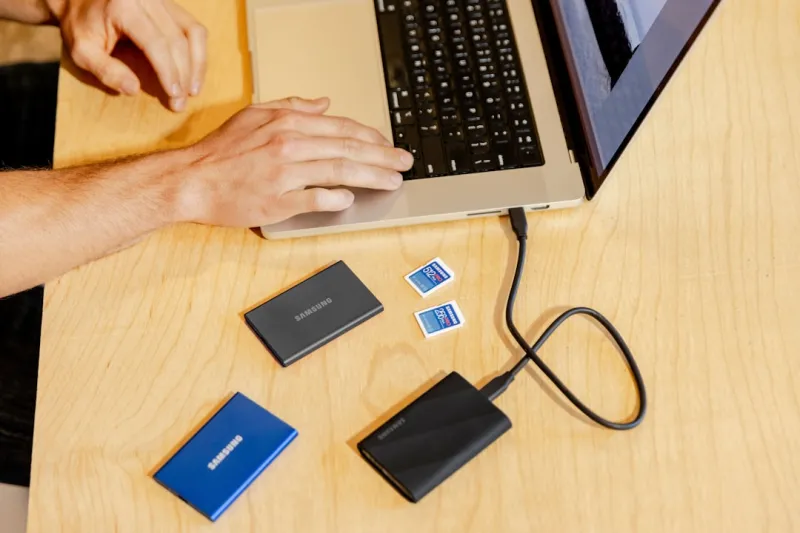
NVMe SSDs have matured from a niche enthusiast product to mainstream necessity, and 2026’s rollout of PCIe 5.0 has accelerated that shift dramatically. Bandwidth has doubled compared to PCIe 4.0, pushing sequential read speeds past 14 GB/s and slashing latency to sub‑10‑microsecond levels. For content creators editing 8K footage or developers compiling massive codebases, the performance delta is palpable. Moreover, the form factor landscape has expanded beyond M.2, with U.2 and emerging EDSFF (Enterprise & Datacenter SSD Form Factor) options providing higher capacities and better thermal handling for dense workstations. While the upfront cost remains higher than SATA SSDs, the long‑term productivity gains—fewer bottlenecks, smoother multitasking, and less time waiting for data—justify the investment for power users and professionals alike.
AI‑Driven Storage Tiering: The Smart Layer Beneath the Surface
One of the most exciting developments this year is the integration of AI into storage controllers. Modern drives now come equipped with on‑board machine‑learning algorithms that monitor usage patterns, predict which files will be accessed next, and automatically move hot data to the fastest NAND cells while relegating cold, rarely touched files to slower NAND or even a connected HDD. This dynamic tiering reduces wear on the most performance‑critical sections of the SSD, extending its lifespan while preserving speed where you need it. Companies like Samsung and Western Digital are shipping drives that expose these AI capabilities via software dashboards, letting you fine‑tune the aggressiveness of the caching strategy. As a result, you can enjoy near‑instant access to your most used apps without manually shuffling files or over‑provisioning expensive storage.
Security at the Speed of Light
Data breaches are no longer a “maybe” but a “when,” and storage is the first line of defense. In 2026, hardware‑based encryption has become standard on most SSDs, with support for AES‑256 and seamless integration into Windows BitLocker and Linux LUKS. What’s new, however, is the emergence of AI‑driven threat detection built directly into the drive firmware. These drives analyze access patterns in real time, flagging anomalous reads that could indicate ransomware or exfiltration attempts. Pairing such a drive with a robust security posture—like the insights from AI‑Driven Threats and Edge Computing: How to Secure Your PC in 2026—creates a layered defense that’s hard for attackers to bypass. Additionally, self‑encrypting drives (SEDs) now support instant secure erase, wiping all data with a single command, which is invaluable for de‑commissioning hardware or repurposing drives in shared environments.
Endurance, Reliability, and the Edge
When it comes to reliability, the metric you hear most is TBW (terabytes written). In 2026, high‑endurance SSDs boast TBW ratings exceeding 6 PB, enough to survive years of 4K video editing, game development, and AI model training. Yet endurance isn’t the only concern; temperature spikes, power fluctuations, and vibration can wreak havoc on both SSDs and HDDs, especially in edge‑computing deployments like remote IoT gateways. Manufacturers now incorporate advanced thermal throttling and power‑loss protection circuitry, ensuring data integrity even during abrupt shutdowns. For mission‑critical environments, consider drives that support “Enterprise‑grade” features such as end‑to‑end data path protection and dual‑port connectivity, which minimize downtime and keep data flowing smoothly across distributed networks.
Environmental Impact and Energy Efficiency
Energy consumption is an increasingly important factor in storage decisions, both for the environment and for electricity bills. SSDs typically draw far less power than spinning disks—often under 2 W idle versus 5‑7 W for a 3.5″ HDD. The shift toward NVMe over PCIe 5.0 also brings efficiency gains: higher throughput means the drive can complete tasks faster and return to low‑power idle states sooner. For users building silent PCs or compact home servers, the reduced heat output translates into quieter cooling solutions and longer component lifespans. On the recycling front, many vendors now offer take‑back programs that safely reclaim rare earth metals and plastics, aligning with the broader industry push toward a circular economy.
Future‑Proofing Your Storage: Practical Buying Guide
So, how do you translate all these trends into a concrete buying plan? First, assess your workload: if you’re a gamer or creator, allocate at least a 1‑TB NVMe SSD for the OS and active projects, then supplement with a 4‑TB or larger HDD for archival content. If you need enterprise‑level reliability, look for drives that meet the criteria outlined in Future‑Proof PC Hardware Trends You Can’t Miss, such as PCIe 5.0 compatibility, high TBW, and hardware encryption. Second, keep an eye on firmware updates—many vendors release AI‑driven performance patches that can unlock additional caching layers or security features. Finally, don’t overlook the software side: tools that expose drive health metrics, like SMART and AI‑based analytics, let you preempt failures before they happen. By combining the right mix of speed, capacity, and intelligence, you’ll build a storage ecosystem that stays relevant for years to come.
Wrapping Up: Storage Is the New Frontier of PC Performance
In the fast‑moving world of 2026, hard drives and solid‑state drives are no longer isolated components; they’re integral to the AI‑enhanced, data‑centric experiences we expect from modern PCs. Whether you’re chasing the lowest latency for a competitive gaming rig, safeguarding terabytes of family memories, or provisioning a small business’s data lake, the decisions you make today will echo for the life of your machine. Embrace the hybrid approach, leverage AI‑powered tiering, and prioritize security from the ground up. If you follow these principles, you’ll not only avoid the dreaded performance bottlenecks but also stay ahead of the evolving threat landscape—a point I elaborate on in Why Your PC Still Crashes to Blue: Decoding the 2026 BSOD. Happy building, and may your storage always be swift and secure.