When I first started tearing apart motherboards in a cramped garage back in the early 2010s, I never imagined the hardware landscape would morph into an AI‑driven arena where every component talks to the next. Fast forward to 2026, and the phrase “AI‑first” isn’t just a buzzword—it’s the design philosophy steering everything from silicon to power delivery. In this post I’m pulling back the curtain on the most compelling trends shaping today’s builds, offering the kind of hands‑on insight you won’t find in a generic spec sheet. Expect deep dives into AI‑ready motherboards, the jump to DDR6 memory, storage that finally balances speed with endurance, and cooling solutions that keep high‑performance chips calm under pressure. Whether you’re a seasoned builder or a first‑time upgrader, the goal is the same: give you a roadmap to assemble a system that feels future‑proof, resilient, and ready for the AI‑centric workloads that dominate our workloads this year.
AI‑Ready Motherboards: The New Backbone of Modern PCs
The motherboard has always been the nervous system of a PC, but in 2026 its role has expanded dramatically. Manufacturers now embed dedicated AI accelerators, advanced telemetry chips, and firmware that can dynamically reallocate resources based on workload demands. These boards also feature expanded PCIe 6.0 lanes and built‑in support for emerging standards like Compute Express Link (CXL), which means you can attach next‑gen GPUs or specialized AI inference cards without a bottleneck. What truly sets them apart is the integration of smart power‑management algorithms that predict spikes in demand and throttle voltage pre‑emptively, extending component lifespan. If you want to stay ahead of the curve, reading the AI‑Ready Motherboards Are the Backbone of Modern PC Builds deep‑dive will save you hours of trial‑and‑error, especially when pairing the board with a high‑end CPU that can push 5 GHz under sustained AI loads.
Memory Evolution: From DDR5 to DDR6 and Beyond
Memory has always been a fickle beast—fast, expensive, and sometimes unreliable. In 2026 the transition to DDR6 is finally gaining momentum, bringing data rates that eclipse 64 GT/s while trimming power draw by roughly 20 percent compared to DDR5. This efficiency boost matters because AI workloads are memory‑hungry; they thrive on the ability to shuffle terabytes of tensors in nanoseconds. However, the jump isn’t seamless for everyone. Many enthusiasts still grapple with compatibility quirks, especially on older platforms that lack proper BIOS support. That’s why I always keep the RAM troubleshooting guide bookmarked—so when a new stick refuses to POST, you can quickly diagnose voltage timing issues or BIOS mismatches without sending the whole kit back to the vendor. Investing in high‑quality, low‑latency modules now pays dividends when you later upgrade to a CPU that can fully leverage the expanded bandwidth.
Storage: The Sweet Spot Between Speed, Capacity, and Longevity
Hard drives in 2026 have finally found a harmonious balance. While NVMe SSDs dominate the primary drive market with read/write speeds topping 10 GB/s, a new generation of QLC and PLC NAND chips are pushing capacities beyond 8 TB per module without a dramatic price hike. Meanwhile, traditional 3.5‑inch HDDs have been refined with helium‑sealed platters and shingled magnetic recording, delivering 12‑15 Gb/s transfer rates that are respectable for bulk archival storage. The real breakthrough, however, is the emergence of hybrid storage controllers that intelligently tier data: hot files sit on ultra‑fast NVMe caches, while colder data drifts to high‑density HDD bays. This approach mitigates the wear‑out concerns that plagued early SSDs while keeping latency low for the apps you use daily. If you’re still debating whether to go all‑flash or stick with a mixed setup, the Hard Drives in 2026 guide offers a clear matrix of use‑cases to help you decide.
Graphics and AI Acceleration: The GPU Landscape Has Shifted
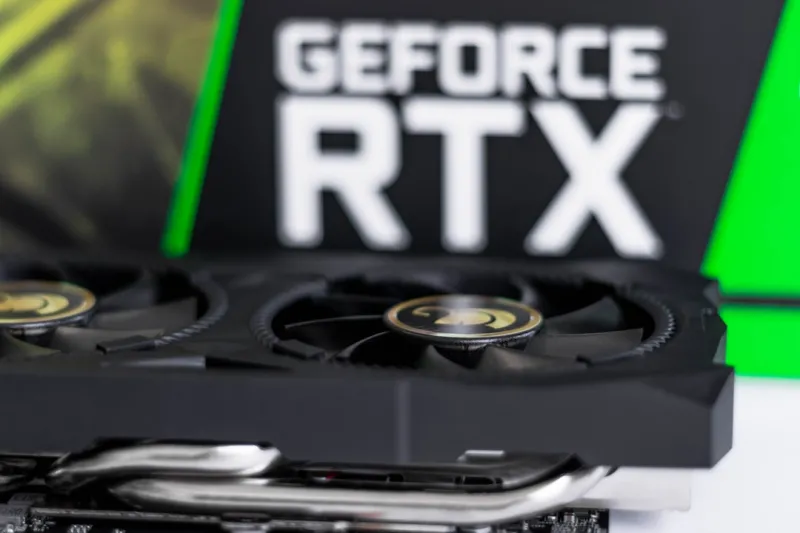
Graphics cards are no longer just about rasterizing frames at 4K; they’re now the workhorses for AI inference, deep learning, and real‑time ray tracing. In 2026, the leading GPU families ship with dedicated tensor cores that are up to three times more efficient than their 2023 predecessors, and they support a unified memory architecture that lets the GPU and CPU share the same address space without costly copies. This change simplifies software pipelines and reduces latency for AI‑enhanced applications like video upscaling and real‑time language translation. However, the demand for these powerhouses has outpaced supply, leading to price inflation and longer wait times. To navigate this market, I recommend monitoring reputable refurbishers for lightly used cards that still carry the latest drivers and warranty. Pairing a modern AI‑ready motherboard with a mid‑range GPU that includes tensor cores can give you a sweet spot of performance and cost, especially if you leverage the AI‑first capabilities baked into the OS.
Power Delivery: Efficiency Is No Longer Optional
The surge in AI‑centric hardware has forced power supplies to evolve from simple voltage regulators into sophisticated, adaptive systems. Today’s 80 PLUS Platinum units feature digital control loops that can predict power spikes based on CPU and GPU telemetry, adjusting duty cycles in real time to avoid the dreaded “brownout” that can corrupt data or damage components. Moreover, modular designs have become the norm, reducing cable clutter and improving airflow—critical for high‑performance builds where every degree matters. When selecting a PSU, pay close attention to the transient response specs and look for units that support the newer 12‑V rail distribution architecture, which spreads load more evenly across multiple rails. A well‑matched power supply not only protects your investment but also contributes to a quieter system, as the fan curves stay lower under typical AI workloads thanks to improved efficiency.
Cooling Solutions: Keeping AI‑Heavy Systems Temperate
As CPUs and GPUs push clock speeds beyond 5 GHz while simultaneously handling AI inference, thermal management has become a decisive factor in system stability. Traditional air coolers, while reliable, often struggle to dissipate the heat generated during sustained AI tasks, prompting a shift toward hybrid cooling solutions. All‑in‑one liquid coolers with larger radiators—typically 360 mm or more—are now standard in high‑end builds, offering lower thermal resistance and quieter operation. For enthusiasts craving the ultimate, custom loop configurations with low‑viscosity coolant and multiple radiators can shave several degrees off core temperatures, extending the lifespan of both the CPU and the AI accelerators on the motherboard. Additionally, manufacturers are integrating smart fan controllers that adjust RPM based on real‑time temperature data from both the CPU and GPU, a feature that dovetails nicely with the AI‑first firmware on modern boards. Remember, effective cooling isn’t just about peak performance; it also reduces the likelihood of thermal throttling during prolonged AI training sessions.
Edge Computing and OS Integration: Software Meets Hardware
In 2026, operating systems have become more than just a layer of abstraction—they act as adaptive engines that orchestrate hardware resources based on workload patterns. Windows, for instance, now leverages edge‑computing frameworks to offload AI tasks to dedicated on‑board accelerators, reducing latency and freeing the CPU for other processes. This synergy is only possible because the hardware provides granular telemetry that the OS can interpret and act upon. For builders, this means you can enable features like “AI‑Optimized Scheduling” in the BIOS, allowing the OS to dynamically allocate cores and memory bandwidth where they’re needed most. The result is a smoother experience when running AI‑enhanced applications such as real‑time video editing or collaborative cloud tools. If you want a deeper look at how this integration works, the Windows in 2026 article breaks down the key OS‑level changes you should enable out of the box.
Practical Steps to Future‑Proof Your Build Today
So, how do you translate these trends into a tangible upgrade plan? Start by selecting an AI‑ready motherboard with a robust BIOS that supports DDR6 and PCIe 6.0, then pair it with a mid‑tier DDR6 kit that offers low latency—don’t skimp on the timings even if the price tag seems high. Choose an NVMe SSD with at least 4 TB capacity for your OS and frequently accessed data, and complement it with a high‑capacity HDD for archival storage. For graphics, aim for a GPU that includes tensor cores, even if you’re primarily gaming; the AI features will pay off in future software. Invest in a Platinum‑rated, digitally controlled PSU and a 360 mm AIO cooler to keep temperatures and noise in check. Finally, enable the OS’s AI‑optimizations and keep your firmware updated to benefit from the latest performance tweaks. By following this checklist, you’ll build a machine that not only handles today’s AI‑intensive workloads but also stays relevant as the hardware landscape continues to accelerate.