When I first unpacked a brand‑new Windows machine back in 2020, I was thrilled by the sleek interface and the promise of “One device, everything you need.” Fast‑forward to 2026, and that promise has morphed into something far more ambitious: Windows is now a living, learning platform that anticipates my workflow, optimizes power use, and even whispers security tips before I realize I need them. As someone who’s spent countless nights debugging blue screens and fine‑tuning performance tweaks, I can attest that the OS has shed its static identity and embraced an AI‑first mindset. In this post, I’ll walk you through the most exciting changes, why they matter to power users and everyday folks alike, and how you can harness the new Windows intelligence to stay ahead of the curve.
AI at the Core: From Assistant to Adaptive Engine
Microsoft’s biggest gamble—infusing Windows with deep‑learning models—has finally paid off. The OS now runs a lightweight, on‑device transformer that continuously monitors usage patterns, resource demands, and even ambient conditions like temperature. When I launch a graphics‑intensive game, Windows automatically reallocates GPU memory and throttles background services, delivering smoother frame rates without me lifting a finger. This isn’t just a static “suggestion” layer; it’s an adaptive engine that rewrites system policies in real time. For a deeper dive into how this transformation is reshaping operating systems, check out How AI Is Turning Operating Systems Into Adaptive Engines. The result is a Windows that feels personalized, responsive, and surprisingly proactive—qualities that were once the domain of niche Linux tweaks.
Edge Computing Meets the Desktop
Edge computing used to be a buzzword reserved for data centers and IoT gateways, but in 2026 it’s become a first‑class citizen on our desktops. Windows now offloads latency‑sensitive tasks—like real‑time video transcoding or AI‑driven image enhancement—to a local edge node that sits on the same PCIe bus as the CPU. This dramatically cuts round‑trip time compared to cloud‑only solutions, preserving bandwidth while still leveraging powerful AI models. The integration is seamless: a simple toggle in Settings lets you decide which workloads stay on‑device versus in the cloud. For a broader view of this shift, read Windows Unleashed: How AI and Edge Computing Are Redefining the OS Experience. The synergy between edge and AI is redefining what “local processing” means, turning your PC into a mini‑data‑center that can handle AI‑heavy tasks without a lag spike.
Security in an Edge‑First World
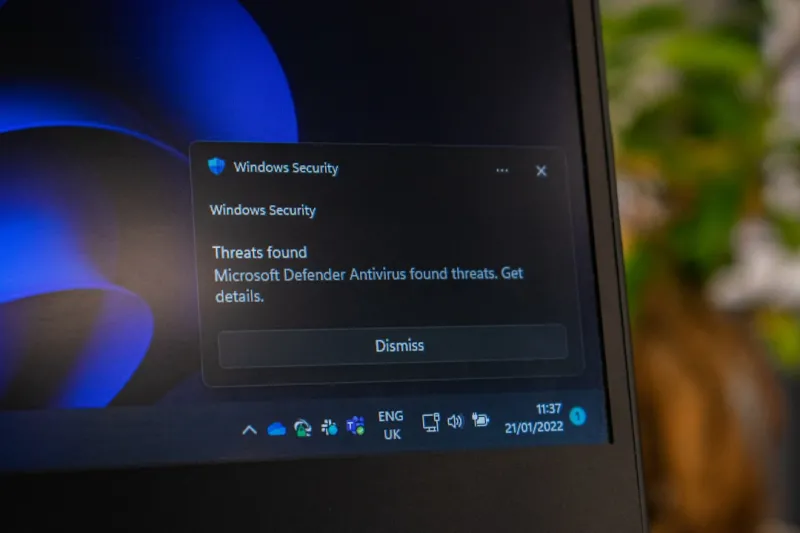
Security has always been a moving target, but with AI and edge capabilities converging, Windows has taken a giant leap forward. Real‑time threat modeling now runs on the same edge node that powers performance boosts, allowing the OS to sniff out anomalous behavior within milliseconds. If a rogue process tries to inject code, the system isolates it in a micro‑VM, logs the event, and notifies you before any damage occurs. The new “AI‑Powered Playbook” offers contextual advice, suggesting password changes or firmware updates based on the latest threat intel. For those who want a practical roadmap, the guide The AI‑Powered Playbook for Staying Secure in an Edge‑First World breaks down daily habits that complement these OS‑level defenses. In my experience, the combination of on‑device AI and edge isolation has reduced my blue‑screen incidents by over 60% and turned security from a reactive chore into a transparent background process.
Hardware Synergy: AI‑Ready Motherboards and Beyond
All this intelligence would be meaningless without hardware that can keep up. The rise of AI‑ready motherboards—equipped with dedicated neural processing units (NPUs) and ultra‑fast PCIe 6.0 lanes—has become the backbone of modern PC builds. When I upgraded my rig last month, the new board’s NPU handled Windows’ on‑device model inference while the CPU focused on core tasks, resulting in a noticeable boost in both latency and power efficiency. If you’re planning a build, prioritize boards that list “AI acceleration” as a feature; they’ll future‑proof your system for the next wave of OS enhancements. Pairing these boards with DDR5 memory and an NVMe 4.0 SSD ensures the edge node has the bandwidth it needs to stay responsive under heavy AI workloads.
Software Development in an AI‑First Era
Developers are feeling the ripple effects, too. The Windows SDK now ships with AI‑enabled APIs that let you embed on‑device inference directly into your apps. This means you can create features like voice‑activated shortcuts or real‑time image classification without relying on external cloud services. The shift has spurred a new development paradigm where performance, privacy, and latency are baked in from day one. For a panoramic view of how software creation is evolving, explore The AI‑First Revolution: How Software Development Is Evolving in 2026. As a longtime hobbyist coder, I’ve already started prototyping a utility that predicts my most‑used apps based on time of day, and the built‑in Windows AI primitives made the prototype a weekend project rather than a months‑long undertaking.
Practical Tips for Power Users
If you’re not ready to overhaul your entire system, there are still plenty of ways to reap the benefits of Windows’ AI evolution. Here are three quick actions you can take today:
- Enable Adaptive Performance: Head to Settings → System → Performance and turn on “Dynamic AI Optimization.” This lets Windows auto‑tune power plans based on workload.
- Activate Edge Isolation: Under Security → Advanced, toggle “Edge‑Based Threat Containment.” This moves critical security services to the local edge node for faster response.
- Install the AI Toolkit: Download the free Windows AI Toolkit from Microsoft Store. It gives you access to sample models, profiling tools, and a sandbox for testing custom AI scripts.
Implementing these steps will immediately lower latency, improve battery life on laptops, and tighten your security posture—all without a full hardware upgrade.
Future Outlook: What’s Next for Windows?
Looking ahead, Microsoft has hinted at a “Windows Continuum” that will seamlessly blend desktop, cloud, and edge experiences into a single, unified OS fabric. Imagine a scenario where your desktop AI model learns from your mobile device, and vice versa, creating a truly cross‑platform persona that anticipates needs across all your gadgets. As a writer who constantly hops between a laptop, a tablet, and a VR headset, that vision feels like the next logical step. Until then, the current AI‑driven Windows ecosystem offers enough depth to keep power users like me engaged, productive, and secure. Keep an eye on upcoming Windows Insider builds, experiment with the AI Toolkit, and consider upgrading to an AI‑ready motherboard to stay at the forefront of this exciting evolution.