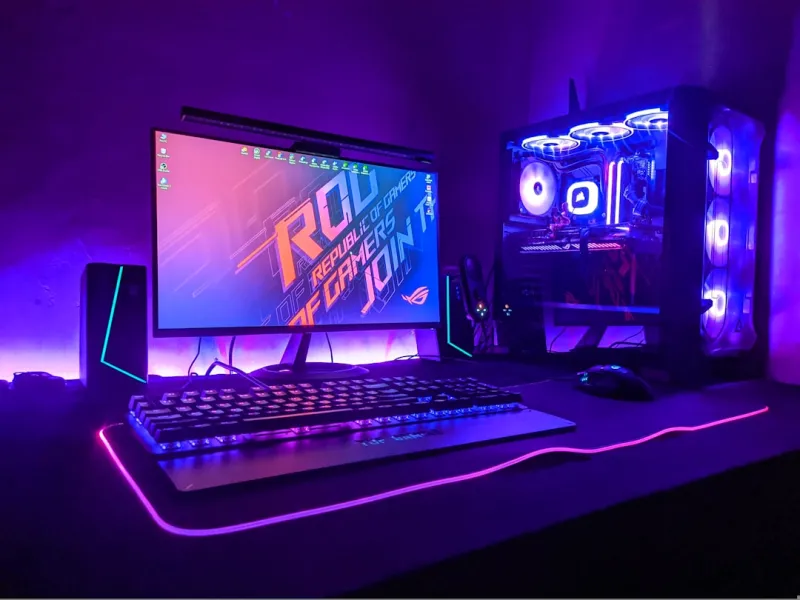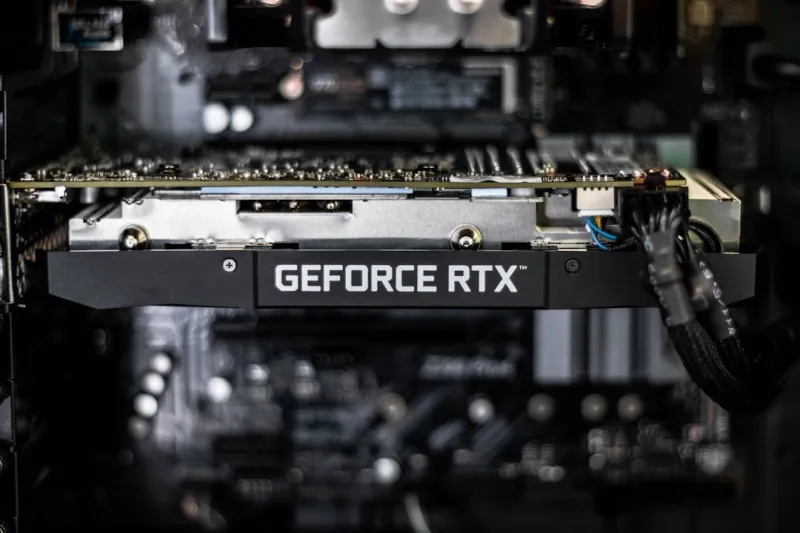
When I first tore apart my 2020 rig for a quick dust‑off, I never imagined the upgrade landscape would look this electrified. In 2026, a PC isn’t just a box of parts; it’s a dynamic platform that learns from how you game, edit, and stream. The biggest shift I’ve felt is the convergence of AI‑driven firmware with hardware that’s built to anticipate workloads before they even start. Think of a motherboard that can re‑allocate power lanes on the fly, or a SSD that reshapes its wear‑leveling algorithms based on the apps you run most. This is why I always start my upgrade plans with a clear vision of the AI‑ready ecosystem I want to inhabit. By aligning each component—CPU, GPU, storage, and even the power supply—with the next‑gen software stack, you create a feedback loop that keeps performance humming, even as games demand ray‑traced reflections at 4K and AI‑assisted rendering becomes the norm.
Choosing the Right AI‑Ready Motherboard
The motherboard is the nervous system of any build, and in 2026 it’s also the AI hub. Modern boards come equipped with dedicated neural processing units (NPUs) that offload tasks like voice command recognition, real‑time compression, and even predictive cooling. When I scout for a new board, I look for a chipset that supports the latest PCIe 5.1 lanes, integrated Wi‑Fi 7, and a BIOS that can be updated over the air—a feature that’s becoming as essential as a stable power delivery. The article Why AI‑Ready Motherboards Are the Backbone of Modern PC Builds dives deep into why these features matter, but the takeaway for most builders is simple: pick a board that advertises “AI‑optimized” or “adaptive performance” in its specs. Those buzzwords aren’t fluff; they translate into real‑world gains like lower latency in multiplayer titles and smoother multitasking when you’re juggling video editing, streaming, and a few AI‑powered assistants.
CPU and GPU: The Power Duo for an AI‑First World
CPU and GPU manufacturers have embraced AI as the core of their roadmap, and the results are visible on the silicon level. The latest 12‑core processors boast built‑in tensor cores that accelerate machine‑learning inference directly on the CPU, reducing the need for separate accelerators. On the GPU side, ray‑tracing is now paired with AI‑denoising engines that clean up frames in milliseconds, letting you push frame rates without sacrificing visual fidelity. When I upgraded my rig last quarter, I chose a processor that offered “Dynamic Boost AI,” which intelligently ramps clock speeds based on the workload’s predictive profile. Pair that with a GPU that supports “DLSS‑3” or its equivalent, and you’ve got a system that not only runs games faster but also consumes less power under idle conditions. This synergy is especially valuable for creators who need both raw compute for rendering and low‑latency AI for real‑time effects.
Memory That Grows With Your Needs
DDR5 is now the default, but the real game‑changer is the emergence of “smart RAM” modules that communicate with the CPU’s NPU to prefetch data based on usage patterns. In practice, this means you’ll notice faster load times in large, open‑world titles and smoother timeline scrubbing in video editors. I’ve started pairing 32 GB kits with a modest overclock that leverages the memory’s built‑in error‑correction capabilities—something that used to be reserved for servers. The key is to select kits that list “AI‑Optimized Timing” in their datasheets; manufacturers are beginning to tune latency profiles to complement the AI cores in modern CPUs. This extra intelligence helps the system allocate memory resources before you even realize you need them, keeping bottlenecks at bay and ensuring that multi‑tasking feels seamless.
Storage Strategies: Speed, Capacity, and AI Integration
Solid‑state storage has reached a point where raw speed alone isn’t the only metric that matters. NVMe drives now embed AI algorithms that predict which files you’ll access next and stage them in an ultra‑fast cache, shaving seconds off boot and load times. When I replaced my older 2 TB SSD, I opted for a 4 TB model that advertised “Intelligent Data Placement.” The drive’s firmware learns your gaming habits and automatically moves frequently used game assets to a reserved portion of the NAND, while less‑used files sit in a lower‑priority zone. This kind of adaptive storage is discussed in depth in Hard Drives in 2026: Balancing Speed, Capacity, and Longevity, but the practical tip is simple: choose an NVMe that offers at least 7,000 MB/s sequential reads and supports the latest PCIe 5.0 interface, then enable the drive’s “Smart Cache” feature in the BIOS. The result is a machine that feels instantly responsive, whether you’re loading massive mod packs or compiling large codebases.
Power Delivery and Efficiency: The Silent Heroes
Power supplies have quietly become the unsung champions of modern PC builds. In an era where AI cores are constantly humming in the background, a reliable, efficient PSU ensures that voltage spikes don’t corrupt data or cause unexpected reboots. I now look for units that are 80 Plus Platinum or Titanium certified and that feature digital monitoring interfaces. These interfaces allow the motherboard’s AI to adjust fan curves and power distribution in real time, keeping temperatures low while maximizing efficiency. Moreover, many high‑end PSUs now include built‑in “AI Power Management” firmware that can predict peak draw during intensive tasks like 8K gaming or AI‑assisted rendering and pre‑emptively allocate headroom. By pairing a smart PSU with a motherboard that supports power‑profile sharing, you create a harmonious ecosystem where every component receives exactly what it needs, no more, no less.
Cooling Solutions for an AI‑Heavy Build
As AI workloads become more prevalent, thermal management is no longer just about keeping the GPU cool during a marathon gaming session. Modern CPUs and NPUs generate heat in bursts that can catch a traditional air cooler off guard. My go‑to solution now is a hybrid liquid‑air cooler that integrates a small AIO pump with AI‑controlled fans. The system reads temperature data from multiple sensors and dynamically adjusts flow rates to target hotspots before they trigger thermal throttling. If you’re building on a tighter budget, consider a high‑static‑pressure fan that supports PWM and can be linked to the motherboard’s AI fan curve. The important part is to ensure that your cooling solution can respond quickly to the unpredictable spikes that AI inference tasks produce, keeping your system stable while you push performance boundaries.
Future‑Proofing with Modular and Upgradable Designs
One of the biggest lessons I’ve learned over the years is that a truly future‑proof PC is built like a Lego set—each piece can be swapped out without tearing the whole system apart. In 2026, this means selecting a case with ample clearance for next‑gen GPU lengths, modular drive bays that accept both 2.5″ SSDs and upcoming 3.5″ AI‑accelerated storage bricks, and a power supply that offers modular cables for clean cable management. I also favor cases that include built‑in dust filters and quick‑release panels; they make routine maintenance a breeze, which is crucial when AI components tend to generate more heat and therefore more dust. By adopting a modular mindset, you’ll find that upgrading a single component—like swapping in a newer AI‑optimized GPU—doesn’t require a full rebuild, saving you both time and money.
Putting It All Together: Your Upgrade Blueprint
If you’re ready to take the plunge, start by mapping out the workloads you care about most—whether that’s high‑fps competitive gaming, 8K video editing, or AI‑assisted content creation. Then, consult the comprehensive guide Upgrade Your PC for 2026: The Ultimate Guide to Power, Performance, and Future‑Proofing to align each component with your goals. Prioritize an AI‑ready motherboard, pair it with a CPU and GPU that feature built‑in tensor cores, select smart RAM, and choose an NVMe drive with predictive caching. Don’t forget a Platinum‑rated PSU, a hybrid cooler, and a case that encourages modular upgrades. By approaching your build as an integrated AI ecosystem rather than a collection of isolated parts, you’ll enjoy smoother performance, lower energy bills, and a platform that can evolve with the rapid advances in software and hardware alike. Welcome to the future of PC upgrades—your machine is about to become smarter than ever.