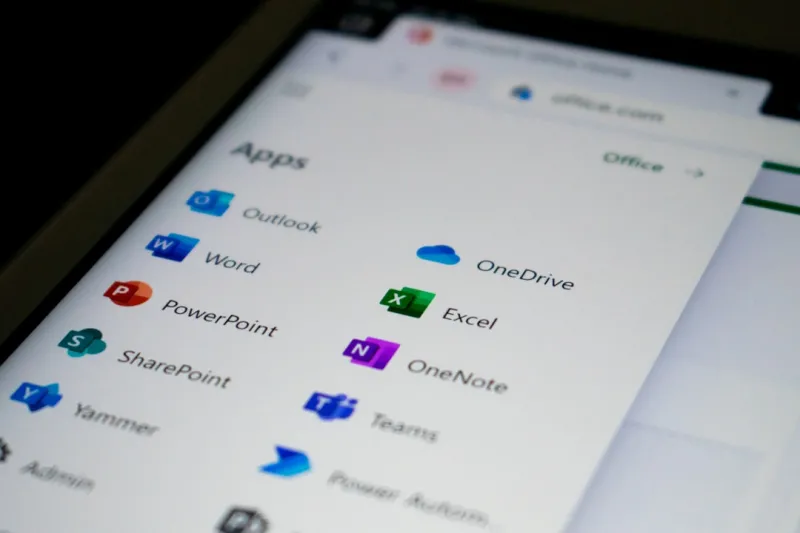
When I first cracked open Microsoft Office back in the early 2010s, I was amazed at the sheer power of a suite that could turn a simple spreadsheet into a business‑critical tool. Fast forward to 2026, and the platform feels like a living, breathing ecosystem, thanks to AI‑driven copilots, deeper cloud integration, and a relentless focus on security. As a longtime power‑user and the kind of guy who loves to tinker under the hood, I’ve spent the past year pushing Office to its limits, blending it with Windows 12, and testing every new feature for real‑world productivity gains. In this post, I’ll walk you through the most impactful tricks, the hidden settings that keep your data safe, and why Office is now the central hub for everything from brainstorming in Teams to crunching megabytes of data in Excel. Grab a coffee, fire up your favorite Office app, and let’s dive into the future of work.
AI Copilots Are No Longer a Fancy Add‑On
The biggest game‑changer this year is the seamless integration of AI copilots across Word, Excel, and PowerPoint. These helpers aren’t just autocomplete; they can draft entire reports, suggest data visualizations, and even rewrite entire paragraphs to match your brand voice. I’ve spent countless hours letting the copilot generate first drafts of client proposals—what used to take me an hour now takes ten minutes, freeing me up for strategy work. The key is to treat the copilot as a collaborative partner rather than a replacement: ask it to outline, then refine manually. Remember to verify sources when the AI pulls in external data; the model is powerful but not infallible. By mastering the prompt language—using clear, concise commands—you’ll unlock a level of efficiency that feels almost magical, especially when you combine it with custom macros that automate repetitive tasks.
Collaboration on Steroids: Teams + OneDrive
Collaboration used to be a painful shuffle of email attachments, but Teams and OneDrive have turned that process into a real‑time jam session. In my workflow, I keep every Office document in a shared OneDrive folder linked directly to a Teams channel. This way, comments, edits, and version history are instantly visible to the entire team. I’ve also set up conditional access policies that restrict who can edit sensitive files, ensuring that only the right eyes see the right data. A quick tip: use the “@mention” feature inside Word comments to pull specific teammates into the conversation without leaving the document. This reduces context‑switching and keeps the focus on the work at hand. The result? Projects that used to drag on for weeks are now wrapped up in days, and the overall morale boost is palpable.
Hardening Your Office Environment Against Modern Threats
Security can’t be an afterthought, especially when Office is the gateway to your most valuable corporate data. This year, Microsoft rolled out advanced threat protection that leverages machine learning to spot phishing attempts in real time. I recommend enabling Office 365 Advanced Threat Protection (ATP) and coupling it with multi‑factor authentication (MFA) for every user. For those who want to go deeper, the Power‑User’s Security Playbook offers a step‑by‑step guide to hardening your Office suite against ransomware and zero‑day exploits. Don’t forget to regularly review the audit logs in the Security & Compliance Center; they’re a goldmine for spotting unusual activity before it escalates into a full‑blown incident.
Custom Add‑Ins and Macros: The Secret Sauce for Power Users
Out‑of‑the‑box Office features are powerful, but the real magic happens when you start layering custom add‑ins and VBA macros. I’ve built a suite of Excel add‑ins that pull live market data from APIs, auto‑populate dashboards, and even trigger alerts when key metrics dip below thresholds. In PowerPoint, a simple macro can batch‑rename slide titles based on a spreadsheet, saving hours during large presentations. The trick is to keep your code clean and well‑documented—use comments liberally and store your scripts in a version‑controlled repository like GitHub. This practice not only helps you track changes but also makes it easier to share your tools with teammates, turning individual productivity hacks into organization‑wide efficiencies.
Seamless Integration with Windows 12
Microsoft’s latest operating system, Windows 12, was built with Office at its core, offering deep shortcuts and performance optimizations that were impossible a few years ago. By enabling the “Office Optimized Power Mode” in Windows Settings, you’ll notice faster app launches and reduced memory footprints, especially when juggling multiple Office apps side‑by‑side. I personally love the new Snap Layouts that let you pin Word, Excel, and Teams in a single view, creating a virtual command center on my desktop. To get the most out of this integration, follow the guidance in Unlock the Full Potential of Windows 12 for Power Users, which walks you through tweaking performance settings, managing updates, and leveraging the built‑in Virtual Desktops for separate workstreams.
Data Analysis in Excel: From Power Query to Power BI
Excel remains the go‑to tool for data crunching, but its real power shines when you combine Power Query, Power Pivot, and the new AI‑driven data insights. I often start by pulling raw CSV files into Power Query, cleaning and shaping the data with just a few clicks. Once the dataset is tidy, I load it into Power Pivot to build sophisticated data models that can handle millions of rows without choking the system. The final step is to publish the model to Power BI, where stakeholders can explore interactive dashboards in real time. The integration is so smooth that you can embed live Power BI tiles directly into Word or PowerPoint, turning static reports into dynamic, data‑driven stories that update automatically as the source data changes.
Mobile Office: Productivity On the Go
With the proliferation of 5G and the increasing reliance on remote work, the mobile versions of Office apps have become indispensable. I keep the Office mobile suite on both my phone and tablet, syncing everything through OneDrive. The “Edit in Desktop” feature lets you start a document on the go, then finish it on a full‑size PC without losing any formatting or comments. For quick note‑taking, the new “Ink to Text” functionality in OneNote converts handwritten sketches into searchable text—a feature I use during client meetings to capture ideas instantly. By mastering the mobile shortcuts—like swiping left to access recent files—you can maintain a high level of productivity regardless of your physical location.
Looking Ahead: What’s Next for Microsoft Office?
Microsoft isn’t resting on its laurels; the roadmap for Office includes deeper AI integration, real‑time multilingual translation, and a stronger emphasis on low‑code automation through Power Automate. I’m especially excited about the upcoming “Contextual Insights” feature, which will surface relevant data from across your organization as you type, reducing the need to manually search for supporting documents. As a power‑user, staying ahead of these changes means regularly checking the Office Insider program and experimenting with beta features. The future promises a more intuitive, anticipatory Office experience—one that feels less like a tool and more like an intelligent colleague.
Wrapping Up: Turn Office Into Your Personal Command Center
After years of fiddling with settings, scripts, and integrations, I’ve learned that the true power of Microsoft Office lies in its flexibility. By combining AI copilots, robust security, custom add‑ins, and tight Windows 12 integration, you can transform a standard productivity suite into a personalized command center that adapts to every workflow. Whether you’re drafting a proposal, analyzing a massive dataset, or collaborating with a global team, the tricks outlined above will help you work smarter, faster, and more securely. So go ahead—experiment, iterate, and make Office truly yours. And if you’ve got a favorite Office hack, drop it in the comments—let’s keep the power‑user community thriving!