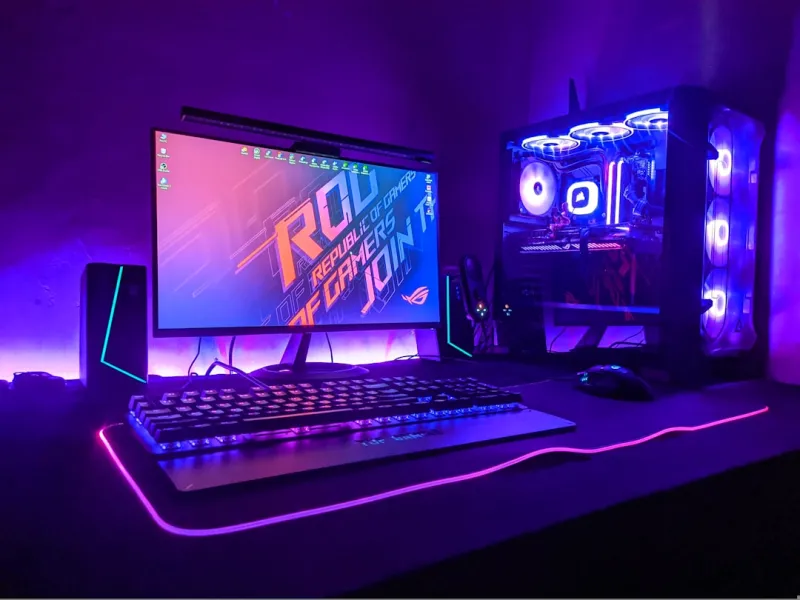
When I first cracked open a custom‑built tower back in the early 2020s, I never imagined the pace at which the upgrade cycle would accelerate. Fast‑forward to 2026, and the line between a “good enough” machine and a future‑proof workstation has thinned to the width of a PCIe lane. As a longtime power user, I’ve learned that the most rewarding upgrades aren’t just about raw horsepower—they’re about harmonizing every component so the system sings rather than sputters. In this deep‑dive, I’ll walk you through the upgrades that have transformed my own rigs this year, explain why they matter for demanding workflows, and show you how to avoid the common pitfalls that turn a sleek upgrade into an expensive experiment. Whether you’re a developer chasing compile‑time reductions, a content creator rendering 8K video, or a gamer who refuses to settle for sub‑60 FPS, the roadmap below will help you prioritize the changes that deliver the biggest return on investment.
Assessing Your Baseline: The Power‑User Audit
Before you rush to the nearest boutique shop, take a systematic inventory of your current build. Start with a performance benchmark suite that captures CPU, GPU, memory, and storage latency under real‑world loads—think Blender render tests, large‑scale compilation, and high‑resolution gaming sessions. Tools like PCMark 10 and 3DMark have been updated for 2026 hardware, offering precise data points that you can compare against the latest specifications. Next, examine your power envelope: many users overlook that an aging 450 W PSU can throttle a brand‑new RTX 5090, leading to instability and dreaded reboots. Finally, map out your workflow bottlenecks; if your most frequent complaint is “my renders take forever,” you’re likely memory‑bound, whereas a “frame drops during intense ray tracing” scream points to GPU limitations. This audit will guide you toward the upgrades that truly move the needle rather than chasing shiny specs that sit idle in your system.
GPU: The Visual Engine That Can Make or Break 2026 Workloads
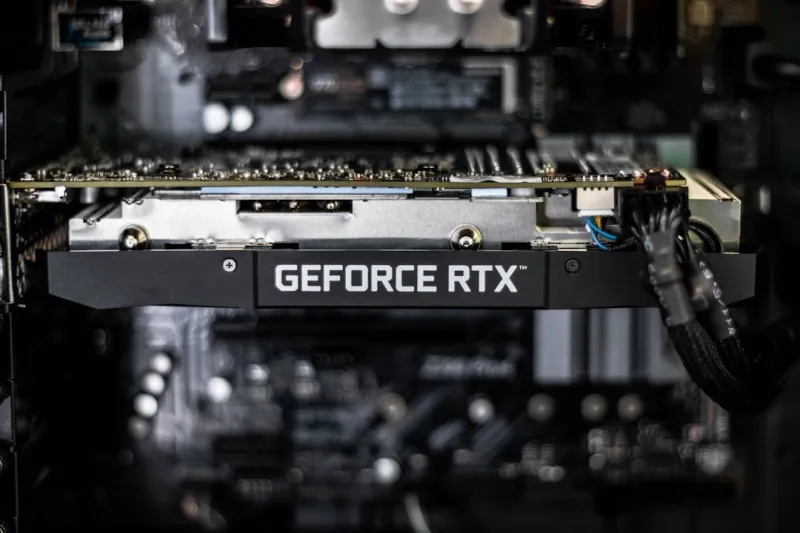
Graphics cards have become the centerpiece of any high‑performance PC, especially with AI‑accelerated rendering and real‑time ray tracing now standard in professional pipelines. The jump from a RTX 4090 to the latest RTX 5090 isn’t just a numeric increase; the new architecture introduces a 30 % boost in tensor core efficiency and a revamped memory subsystem that slashes VRAM latency. If you’ve been experiencing stutter or “GPU crying” under heavy loads, check out my guide on Why Your GPU Might Be Crying and How to Fix It for troubleshooting steps before you decide to upgrade. When you do make the leap, pair the GPU with a high‑bandwidth PCIe 5.0 x16 slot and ensure your motherboard’s BIOS is set to the latest version to fully exploit the card’s capabilities. Don’t forget to calibrate your power supply—most RTX 5090 models recommend at least 750 W, so a modest upgrade here can prevent the dreaded “black screen” moments during intensive sessions.
CPU & Cooling: Balancing Compute Power and Thermal Headroom
In 2026 the distinction between desktop and workstation CPUs continues to blur, with the new Intel Core i9‑14900K and AMD Ryzen 9 8950X offering up to 24 cores and built‑in AI acceleration. For power users who compile massive codebases or run simultaneous virtual machines, those extra cores translate directly into time saved. However, more cores generate more heat, making robust cooling essential. I’ve swapped from a stock air cooler to an AIO liquid cooler with a 360 mm radiator, and the difference in sustained boost frequencies is noticeable—my CPU now maintains 5.3 GHz under load without throttling. If you’re still on a legacy air solution, consider a hybrid approach: a high‑flow tower fan combined with a medium‑size liquid loop can keep temperatures in the 60‑70 °C range even during marathon sessions. Remember to apply thermal paste properly— a thin, even layer of a high‑performance compound like Thermal Grizzly Kryonaut can shave off precious degrees.
Memory & Storage: The Unsung Heroes of Responsiveness
While the GPU and CPU often steal the spotlight, RAM and storage are the silent workhorses that dictate how fluid your day‑to‑day experience feels. DDR5‑6000 kits have become mainstream, offering both higher bandwidth and lower power draw than their DDR4 predecessors. If your current sticks are still on DDR4, a jump to DDR5 can cut memory‑bound stalls by up to 40 % in data‑heavy applications. Pair this with a PCIe 5.0 NVMe SSD—think drives with read speeds exceeding 14 GB/s—and you’ll notice instant file transfers, near‑instant game load times, and dramatically reduced compile waiting periods. For those who worry about data safety, consider a RAID‑0 configuration for raw speed, but always back up critical files to an external NAS or cloud solution. If you’ve been battling random crashes, my deep dive on Why Your RAM Keeps Crashing and How to Fix It provides a checklist to ensure your new memory modules are seated and configured correctly.
Power Delivery & Airflow: The Backbone of a Stable System
Upgrading to higher‑end components inevitably raises your system’s power demands, and a marginally undersized PSU can become the Achilles’ heel of even the most well‑balanced rig. Modern 80+ Gold and Platinum units now offer modular cabling that reduces clutter and improves airflow inside the case. When selecting a new PSU, aim for a unit that provides at least 20 % headroom above your calculated load—this not only ensures stability under peak conditions but also prolongs the lifespan of your components. Speaking of airflow, a case designed with unobstructed front‑to‑back ventilation and strategically placed dust filters can keep temperatures low without resorting to aggressive fan curves that generate noise. I’ve switched to a mid‑tower case with a tempered glass side panel and three 140 mm intake fans, complemented by two 120 mm exhausts; the result is a whisper‑quiet environment where temperatures hover comfortably under 50 °C during intense workloads.
Peripheral Enhancements: Seeing and Interacting with the Future
Hardware upgrades aren’t limited to the internals—your peripherals can dramatically affect productivity and immersion. A 27‑inch 4K IPS monitor with a 144 Hz refresh rate offers both the pixel density needed for detailed design work and the smooth motion essential for competitive gaming. For developers and creators, a monitor that supports HDR10 and a wide color gamut ensures color accuracy across the board. On the input side, mechanical keyboards with hot‑swappable switches let you fine‑tune the tactile feel without soldering, while a high‑DPI, low‑latency mouse equipped with a programmable button grid can shave seconds off repetitive tasks. Don’t forget audio: a pair of open‑back headphones with a built‑in DAC can provide crystal‑clear sound for both music production and immersive gaming. These peripheral upgrades may not boost raw FPS, but they enhance the overall experience, allowing you to work longer and more comfortably.
Security Hardening: Protecting Your High‑Performance Investment
Every watt of compute you add to your rig makes it a more attractive target for modern malware, especially when you’re operating as a power user with elevated privileges. The Hardening High‑Performance PCs: Security Strategies for Power Users in 2026 article outlines a layered defense approach that starts with firmware security—always enable Secure Boot and keep your BIOS updated. Next, implement a reputable endpoint protection suite that supports hardware‑accelerated scanning, taking advantage of the new CPU instruction sets designed for cryptographic workloads. Finally, segment your network: place your workstation on a dedicated VLAN, isolate IoT devices, and use a VPN when accessing external resources. By integrating these practices, you not only safeguard your data but also maintain system stability, as many security breaches manifest as random crashes or performance throttling.
Future‑Proofing: Preparing for AI‑Driven Workloads and Beyond
Looking ahead, AI‑accelerated tasks are poised to dominate professional workloads, from code autocompletion to real‑time video upscaling. To stay ahead, consider installing a dedicated AI accelerator card—such as the new Intel Habana or NVIDIA Tensor Core modules—that offloads tensor operations from the main GPU. Pair this with a motherboard that supports PCIe 5.0 x8 lanes for the accelerator, ensuring you won’t bottleneck future upgrades. Additionally, adopt a modular storage strategy: keep a hot‑swap bay for swapping in new NVMe drives as capacities grow. Finally, keep an eye on emerging standards like DDR6 and USB‑4.0; while not mandatory today, having a platform that can accommodate these upgrades without a complete overhaul will save you time and money when the next wave arrives. In short, think of your PC as a living platform—design it for adaptability, not just immediate performance.
Wrap‑Up: Your Upgrade Journey Starts Now
Upgrading a power‑user PC in 2026 is less about chasing the highest specs and more about crafting a balanced ecosystem where each component amplifies the others. By conducting a thorough audit, prioritizing GPU and CPU enhancements, modernizing memory and storage, reinforcing power delivery and airflow, and tightening security, you’ll build a machine that feels fast today and remains resilient tomorrow. Remember, the most satisfying upgrades are those that translate directly into measurable productivity gains—whether that’s shaving minutes off a render, reducing compile times, or simply enjoying smoother gameplay. If you’re ready to dive deeper, check out the Essential PC Upgrades Every Power User Needs in 2026 guide for a checklist you can follow step by step. Happy building, and may your frames be high and your temperatures low!