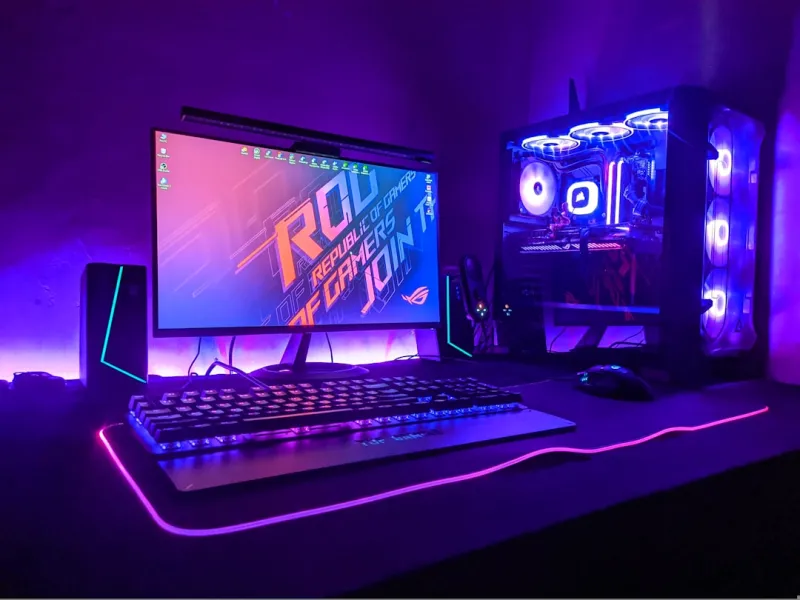
If you’ve been riding the high‑performance wave since the early 2010s, you already know that a “set‑and‑forget” PC is a myth. In 2026 the hardware landscape is shifting faster than a GPU‑driven frame rate, and the sweet spot for power users sits at the intersection of raw compute, low‑latency memory, and bullet‑proof reliability. I’ve spent the last decade tearing apart rigs for content creation, simulation work, and competitive gaming, and the pattern is clear: strategic upgrades beat wholesale replacements every time. This article walks you through the upgrades that truly move the needle—whether you’re polishing a 4K video timeline, crunching massive datasets, or just trying to keep your favorite titles running at 240 Hz. We’ll explore the why, the when, and the exact parts you should be eyeing, all while keeping an eye on cost‑to‑performance ratios that make sense for a power‑user budget. Let’s dive into the components that will keep your machine ahead of the curve without breaking the bank.
CPU: The Heartbeat of Modern Workloads
In 2026, the CPU market is dominated by hybrid architectures that blend high‑efficiency cores with performance‑focused beasts, a trend that started with the last generation of desktop processors. For power users, the sweet spot lies in a chip that offers at least 12 cores and a strong single‑thread boost—think of it as the difference between a marathon runner and a sprinter who can also carry a heavy load. Upgrading from an 8‑core older‑gen CPU to a 16‑core model can shave 30‑40 % off rendering times in software like Blender or DaVinci Resolve, while also delivering smoother multitasking when you have dozens of browser tabs, virtual machines, and background services humming. Pair this with a capable cooler; the thermal envelope of today’s chips can be unforgiving if you skimp on heat‑pipe design. Remember, the CPU isn’t just for raw speed; it’s also the gatekeeper for future‑proofing your workflow as software continues to lean on parallel processing.
GPU: Visual Power Meets Troubleshooting Mastery
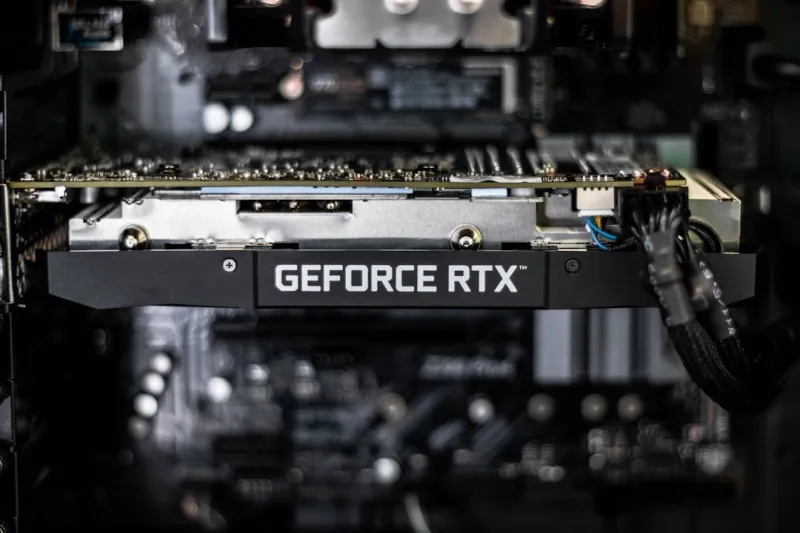
The graphics card is still the most visible indicator of a system’s prowess, especially for creators who rely on GPU‑accelerated encoding, AI inference, or high‑refresh‑rate gaming. In 2026, ray‑tracing cores have become standard, and manufacturers are pushing memory bandwidth beyond 1 TB/s with 24 GB VRAM options that can handle massive texture loads without stutter. If you’re still on a card older than the last two generations, expect a noticeable dip in performance—up to 60 % in modern titles and a similar hit in CUDA‑based workloads. When you make the leap, be ready for a new set of challenges: power draw spikes, driver quirks, and occasional artifacting. That’s why I always recommend reading the Mastering Video Card Troubleshooting: A Power‑User’s Playbook before you pull the trigger. A solid upgrade path includes a power supply that can comfortably deliver 650 W‑850 W, a case with ample airflow, and a monitor that can actually showcase the card’s capabilities at 144 Hz or higher.
RAM: Speed, Capacity, and Stability
Memory upgrades are often undervalued, yet they’re a cornerstone of a fluid power‑user experience. In 2026, DDR5 has matured, offering latencies that finally rival DDR4 while delivering 6000 MT/s‑7200 MT/s speeds. If you’re still running 16 GB of DDR4, you’re likely to encounter bottlenecks when running virtual machines, large Photoshop files, or compiling massive codebases. Upgrading to 32 GB or 64 GB of DDR5 not only expands capacity but also reduces latency, leading to smoother multitasking and faster data swaps. However, a higher speed kit can expose underlying stability issues—something I’ve seen too often when users mix modules from different manufacturers. For a deeper dive into diagnosing memory woes, check out Why Your RAM Keeps Crashing and How to Fix It. Pair your new RAM with a motherboard that supports XMP profiles to ensure you’re actually running at the advertised frequencies without manual BIOS tweaks.
Storage: SSDs, HDDs, and the Right Balance
When it comes to storage, the narrative in 2026 isn’t “SSD only”—it’s about finding the sweet spot between speed and capacity. NVMe drives now regularly hit 8 GB/s read speeds, making them ideal for OS installations, applications, and active project files. Yet, massive media libraries, raw footage archives, and large scientific datasets still benefit from the cost‑per‑gigabyte advantage of high‑capacity hard drives. The misconception that HDDs are obsolete has been debunked by the fact that a 12 TB 7200 RPM drive can still deliver sustained sequential reads of 250 MB/s, which is ample for archival purposes. For power users who need both worlds, a tiered approach works best: install a 2 TB‑4 TB NVMe as your primary drive and a 10 TB‑14 TB HDD for long‑term storage. The article Hard Drives in 2026: Why Power Users Still Need Massive, Reliable Storage goes into the reliability metrics that make modern HDDs a viable backup solution.
Motherboard: The Keystone of Future‑Proofing
A motherboard is more than a circuit board; it’s the foundation that determines upgrade pathways for years to come. In 2026, the most forward‑looking boards feature PCIe 5.0 slots, ample M.2 lanes, and robust power delivery for high‑end CPUs and GPUs. Choosing the right motherboard can save you from a costly overhaul when the next generation of components hits the market. Look for features like dual‑channel DDR5 support, Wi‑Fi 7, and an abundance of USB‑4 ports to keep peripheral connectivity future‑proof. The design also impacts thermal performance—high‑quality VRM heatsinks and integrated fan headers can keep power delivery stable under load. If you’re unsure where to start, the guide Why Choosing the Right Motherboard Is the Keystone of a Future‑Proof Power‑User Build offers a checklist that aligns with the needs of creators, developers, and gamers alike.
Power Supply & Cooling: Keeping the Beast Tamed
Even the most elegant component upgrades will falter without a reliable power supply and efficient cooling solution. In 2026, power supplies have become smarter, with digital monitoring and tighter efficiency curves that keep electricity bills in check while delivering stable wattage. For a high‑end CPU/GPU combo, aim for an 80 PLUS Gold or Platinum unit rated between 750 W and 1000 W, depending on whether you plan to overclock. As for cooling, hybrid liquid‑air solutions are gaining traction; a 360 mm AIO with a copper cold plate can keep a 16‑core processor under 70 °C even during sustained workloads. Don’t overlook case airflow—intake and exhaust fans with static pressure blades help clear hot air from the GPU and VRM zones. Investing in these subsystems not only extends component lifespan but also ensures that performance gains from upgrades aren’t throttled by heat.
Software & OS: The Platform That Holds It All Together
Hardware is only half the equation; the operating system and driver stack dictate how effectively you can harness that power. Windows remains the platform of choice for most power users in 2026, largely because of its extensive driver support, enterprise‑grade security features, and compatibility with a wide range of professional software. The latest Windows 11 updates bring refined memory management and better support for ARM‑based accelerators, which are becoming more common in AI workloads. If you’re considering a switch to a Linux distribution, be aware that driver parity, especially for the newest GPUs, can lag behind. For those who stay on Windows, regular patching is essential—Microsoft’s “Critical Updates Every Power User Must Know” series highlights the patches that keep your system resilient against emerging threats. A well‑tuned OS, coupled with up‑to‑date firmware, extracts the maximum performance from your upgraded hardware.
Security: Guarding Your Upgraded Investment
Every upgrade you make is an invitation for malicious actors to target a more valuable machine. Modern malware in 2026 is increasingly sophisticated, often disguising itself as legitimate performance‑boosting utilities. Power users, who routinely install beta drivers and third‑party monitoring tools, are prime targets for these stealthy threats. The recent exposé The Silent Siege: How Modern Malware Is Targeting Power Users in 2026 outlines the tactics attackers use to infiltrate high‑performance rigs. Mitigation starts with a layered defense: enable Secure Boot, keep your antivirus definitions current, and practice strict driver vetting. Additionally, consider hardware‑based security modules like TPM 2.0, which can encrypt storage volumes and enforce integrity checks during boot. By integrating these safeguards, you ensure that your investment in upgrades remains a source of productivity—not a liability.
Looking Ahead: The Upgrade Cycle of Tomorrow
As we push deeper into 2026, the cadence of hardware releases shows no sign of slowing. Emerging technologies like DDR6 memory, PCIe 6.0, and AI‑accelerated cores are on the horizon, promising another wave of performance leaps. The key to staying ahead isn’t to chase every headline; it’s to adopt a modular mindset—select components that offer both immediate gains and a clear upgrade path. Keep an eye on industry roadmaps, but also prioritize reliability, especially for mission‑critical workloads. In the end, a well‑balanced system—CPU, GPU, RAM, storage, and a robust motherboard—paired with disciplined software practices, will serve you for years to come. Ready to start your upgrade journey? Dive into the guides linked throughout this post, and let’s build a rig that not only meets today’s demands but also embraces tomorrow’s possibilities.