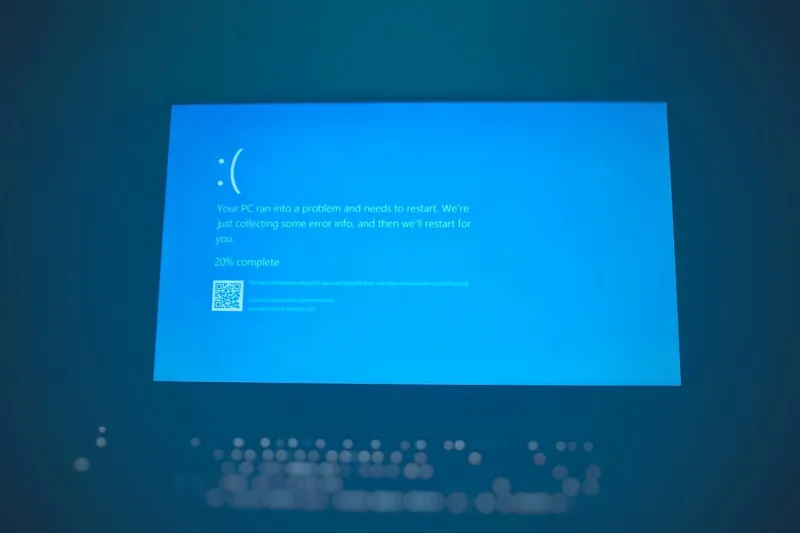
Ever since I first stared at that ominous, electric‑blue rectangle on my screen, the Blue Screen of Death (BSOD) has felt like both a rite of passage and a personal nemesis. I still remember the first time it happened to me in a cramped dorm room back in 2022; the panic, the frantic Google searches, the half‑hearted prayers to the tech gods. Fast‑forward to 2026, and you’d think we’d have banished it to the annals of Windows lore, but the blue screen still shows up like an uninvited guest at a party. As a power user who juggles AI‑driven development, high‑performance gaming, and massive data crunches, I’ve learned that the BSOD is less a random glitch and more a sophisticated warning system flagging deeper issues. In this post, I’ll walk you through why the blue screen persists, how to decode its cryptic messages, and what proactive steps you can take to keep your rig humming without the dreaded flash of blue.
Why the Blue Screen Still Shows Up in 2026
The first thing to understand is that the BSOD isn’t a bug; it’s a feature. Modern Windows kernels are designed to halt the system the moment they detect a catastrophic fault, protecting your hardware from further damage. In 2026, the complexity of drivers, firmware, and AI‑accelerated workloads has skyrocketed, creating more touchpoints where things can go awry. For power users like us, installing bleeding‑edge GPU drivers for the latest AI models, or tinkering with low‑level BIOS tweaks for overclocking, dramatically raises the odds of a mismatch that the OS can’t reconcile. Moreover, the rise of mixed‑storage environments—NVMe SSDs paired with legacy hard drives—adds another layer of latency and firmware interaction that can trip the kernel’s safety nets. The blue screen, therefore, remains a crucial sentinel, alerting us when the intricate dance between hardware and software falls out of step.
Common Triggers in the Modern Power‑User Setup
When I dissect a recent BSOD on my workstation, the culprits usually fall into three buckets: driver incompatibility, firmware glitches, and memory pressure from AI workloads. Driver incompatibility is still the biggest offender; a new GPU driver optimized for TensorFlow can clash with an older audio driver that hasn’t been updated in years. Firmware glitches, especially on motherboards that received a BIOS update last month, can cause subtle timing issues that only surface under heavy load. Lastly, the memory pressure from AI‑powered development tools can push RAM and VRAM beyond their safe thresholds, triggering page‑file corruption or even hardware‑level cache errors. The error codes you see—like 0x0000003B (SYSTEM_SERVICE_EXCEPTION) or 0x00000124 (WHEA_UNCORRECTABLE_ERROR)—often point directly to these areas, but decoding them requires a bit of detective work and the right tools.
Diagnostic Tools You Should Have in Your Arsenal
In my early days, I relied on the built‑in Event Viewer and the occasional screenshot of the blue screen. Today, I swear by a combination of WinDbg, the Windows Debugger, and newer AI‑powered diagnostic utilities that can parse dump files in seconds. WinDbg lets you open the .dmp file generated at the moment of crash, and with commands like !analyze -v, you can quickly pinpoint the driver or module that caused the failure. Meanwhile, the AI‑driven “Crash Insight” feature in Windows 11 (still evolving in 2026) uses machine learning to correlate your hardware profile with known issues, offering suggestions that are surprisingly accurate. If you’re not comfortable with command‑line tools, the “BlueScreenView” utility remains a user‑friendly alternative, presenting the crash dump data in a clean table with clickable links to driver information.
Step‑by‑Step: Basic Troubleshooting You Can Do Right Now
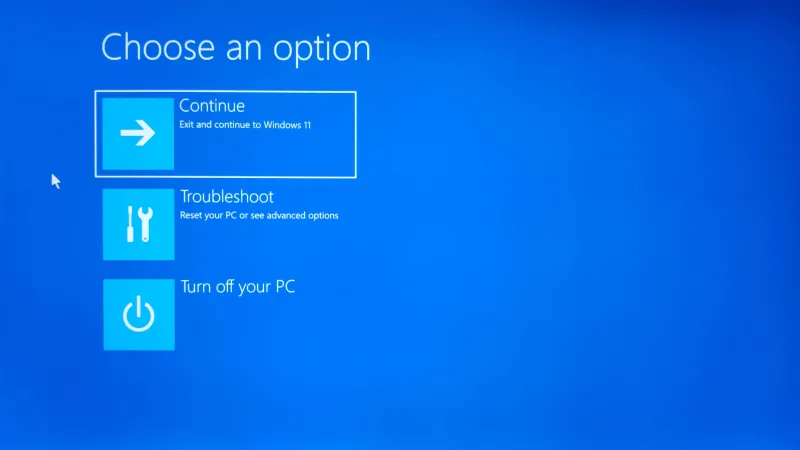
When the blue screen appears, the first thing you should do is note the error code and any listed driver names. Then, reboot into Safe Mode—press F8 or hold Shift while clicking Restart—to load Windows with minimal drivers. From there, roll back any recent driver updates via Device Manager, especially graphics and network adapters. If the crash happened after a Windows Update, consider uninstalling that specific update; the Critical 2026 Updates Every Power User Must Act On guide walks you through pinpointing problematic patches. Next, run the built‑in Memory Diagnostic Tool to rule out RAM errors, and don’t forget to check your SSD firmware for the latest version. Finally, update your BIOS to the manufacturer’s latest release, but always back up the current BIOS image first—flashing the wrong version can lock you out of your system entirely.
Deep Dive: Analyzing Memory Dumps for the Curious Power User
For those who want to go beyond the surface, examining the memory dump is where the real insights lie. After you’ve captured the .dmp file, open it in WinDbg and look for the “STACK_TEXT” and “MODULE_NAME” sections. These lines reveal the exact call stack at the moment of the crash, often exposing a third‑party driver that’s behaving badly. In my experience, the “nvlddmkm.sys” driver (NVIDIA’s kernel mode driver) shows up frequently when I’m pushing the limits of GPU‑accelerated AI training. The Why the Blue Screen Still Haunts Power Users—and How to Beat It article offers a step‑by‑step walkthrough of interpreting these dump details, including how to use the “!process” and “!thread” commands to isolate the offending thread. Once you’ve identified the faulty driver, a quick search for a stable version or a rollback can often resolve the issue permanently.
Preventative Maintenance: Stay Ahead of the Crash Curve
Preventing a BSOD is largely about staying proactive with updates and hardware health checks. Regularly schedule Windows Update checks, but always read the release notes—Microsoft sometimes flags known conflicts with popular GPU drivers. Keep your firmware current, especially for NVMe SSDs, as firmware bugs can masquerade as memory errors under heavy I/O loads. I also recommend a quarterly audit of all installed drivers using a tool like “Driver Booster Pro” (or manually via Device Manager), ensuring none are stuck on legacy versions. Don’t overlook the power supply; a marginally undersized PSU can cause voltage dips that manifest as random blue screens during peak load. Lastly, consider a periodic full system backup; if a crash corrupts the OS partition, a clean restore can save you hours of troubleshooting.
Hardware Choices That Reduce BSOD Risks
When I built my latest workstation, I deliberately paired a high‑end NVMe SSD with a 2 TB enterprise‑grade HDD for archival data—a setup that balances speed and reliability. While many power users dismiss hard drives as obsolete, the Why Hard Drives Remain Essential for Power Users in 2026 piece explains why they still matter for bulk storage and as a fallback when SSD firmware glitches occur. Additionally, opting for a motherboard with robust power delivery and an updated BIOS can mitigate many low‑level timing issues that cause the dreaded WHEA_UNCORRECTABLE_ERROR. Investing in a quality PSU with a healthy headroom (at least 20 % above your peak draw) also reduces the chance of voltage-related crashes. In short, thoughtful component selection—especially regarding storage hierarchy and power stability—creates a more resilient foundation that keeps the blue screen at bay.
Looking Ahead: AI‑Driven Self‑Healing Systems
Looking forward, the industry is flirting with AI‑enabled operating systems that can automatically diagnose and remediate faults before they cascade into a full‑blown crash. Early prototypes in 2026 already demonstrate a “predictive health monitor” that flags driver incompatibilities based on usage patterns and suggests rollbacks in real time. However, until these technologies become mainstream, the onus remains on us power users to stay vigilant. By combining AI‑assisted diagnostics with our own knowledge of hardware quirks, we can create a hybrid approach that maximizes uptime. In the meantime, keep your eyes on the upcoming Windows 12 preview, which promises tighter integration with AI for crash prediction—something I’m eager to test on my rig.
Final Thoughts and Your Turn to Share
At the end of the day, the blue screen is a reminder that even the most powerful machines have limits. By treating each crash as a learning opportunity—documenting error codes, analyzing dumps, and updating your hardware thoughtfully—you turn a frustrating interruption into a catalyst for deeper expertise. I hope my journey through the world of BSODs in 2026 has given you practical steps and a fresh perspective on tackling these issues head‑on. Have you recently tamed a stubborn blue screen? Got a favorite diagnostic tool or a hardware configuration that’s proven rock‑solid? Drop a comment below, and let’s keep the conversation rolling. Together, we can make the blue screen a thing of the past, or at least a rare and manageable visitor.