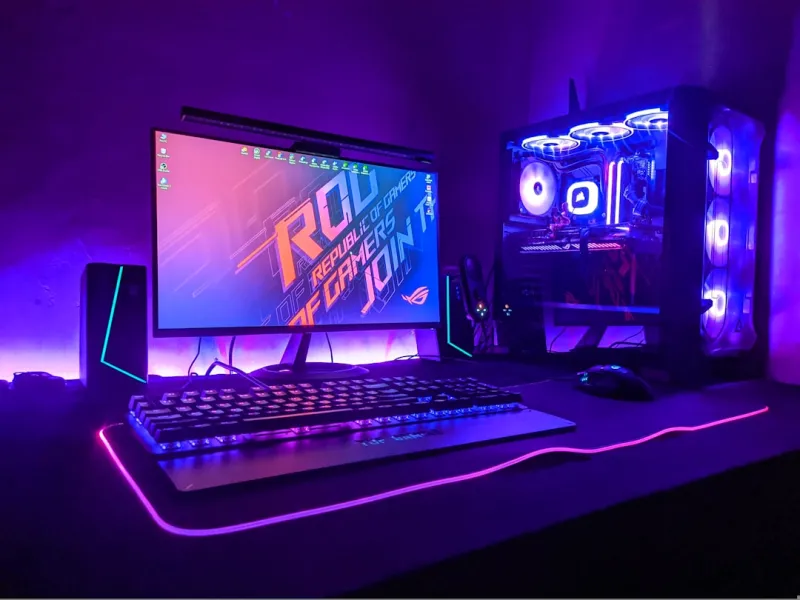
When I first cracked open my rig back in the early days of the decade, the hum of fans and the glow of LEDs felt like a personal symphony. Fast‑forward to 2026, and that same excitement still fuels my nightly ritual of swapping out parts, benchmarking, and fine‑tuning every ounce of performance. For power users, upgrading isn’t just about chasing the newest specs; it’s a strategic dance between hardware, software, and the ever‑shifting demands of modern workloads. Whether you’re compiling massive codebases, diving into 8K video editing, or crushing the latest AAA titles at max settings, the right upgrade path can shave minutes off render times and eliminate that dreaded lag that sneaks into even the most polished workflows. In this guide, I’ll walk you through the decision‑making process that turns a haphazard parts list into a cohesive, future‑proofed machine—drawing on the lessons I’ve learned from countless builds, community feedback, and the hard‑won data from my own testing lab.
Identify the Real Bottleneck Before You Buy
The first step in any upgrade plan is a brutally honest performance audit. Use tools like Windows Performance Monitor, HWInfo, or your favorite benchmarking suite to pinpoint whether your CPU, GPU, storage, or memory is holding you back. In many cases, users discover that a “slow” PC is actually throttling due to thermal constraints or outdated drivers, not raw hardware limitations. For example, if you’re seeing frame‑rate dips during intense gaming sessions, the culprit is often the video card, and you’ll want to verify temperature spikes or driver mismatches. On the other hand, long compile times in Visual Studio or heavy multitasking in virtual machines usually point to a CPU or RAM shortfall. By cataloguing the symptoms—whether it’s a stuttery timeline in Premiere, sluggish app launches, or frequent blue‑screen warnings—you can prioritize upgrades that deliver the biggest performance jump for the smallest cost. This methodical approach saves you from the common mistake of buying a flashy GPU when a modest SSD upgrade would have solved the problem entirely.
CPU Upgrades: Matching Socket, Core Count, and Power
In 2026, the CPU landscape is dominated by high‑core‑count, energy‑efficient silicon, with many platforms offering 12‑to‑24‑core options that still fit into mainstream desktop sockets. Before you order a new processor, double‑check your motherboard’s socket compatibility—whether you’re on the latest LGA 1700, AM5, or a legacy LGA 1200 board. Beyond the socket, consider the power delivery: modern CPUs can draw 150 W or more under load, so a robust VRM and a quality power supply become essential. Look at the instruction set extensions (AVX‑512, AMX, etc.) that your workloads can leverage; for developers, these can shave seconds off compilation and data‑processing tasks. Also, assess whether your cooling solution can handle the increased thermal design power (TDP). Upgrading to a 16‑core Ryzen 9 or an 12‑core Intel Core i9 may seem like overkill for everyday tasks, but when you layer on virtualization, containerized builds, and AI inference, those extra cores become a tangible productivity boost. Remember, a CPU upgrade is most effective when paired with sufficient RAM and fast storage to keep the data pipeline flowing.
GPU Upgrades: From Bottleneck to Breakthrough
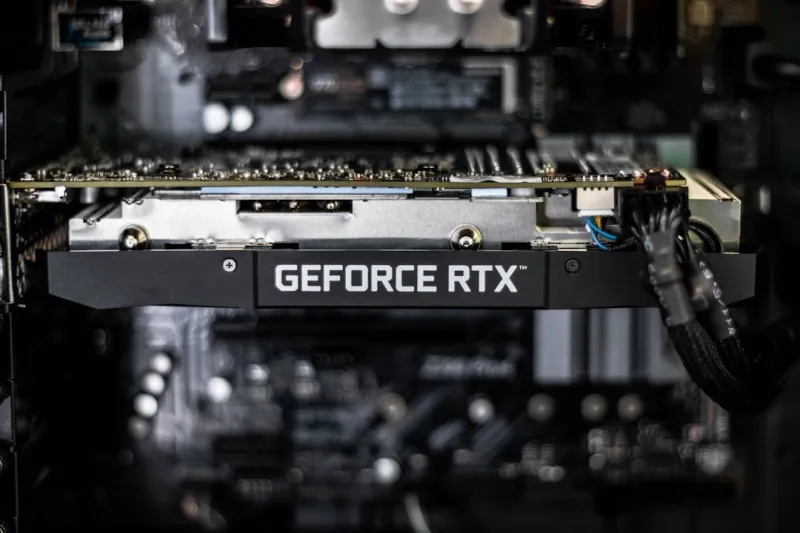
Graphics cards have undergone a seismic shift this year, with PCIe 5.0 x16 bandwidth finally becoming mainstream and VRAM capacities soaring past 24 GB. If you spend any time in 3D rendering, GPU‑accelerated AI, or high‑refresh‑rate gaming, the GPU is often the most visible upgrade lever. Before you chase the latest flagship, evaluate your current card’s performance against the workloads you run most. The diagnosing and fixing common video card issues guide offers a solid checklist for ruling out driver glitches, thermal throttling, or power delivery problems that can masquerade as “under‑performance.” When you’re ready to buy, focus on memory bandwidth, core clock stability, and the presence of DLSS 3 or similar upscaling technologies that can dramatically improve frame rates without sacrificing visual fidelity. Also, ensure your PSU can handle the new card’s power draw—many high‑end GPUs now recommend 750 W or more. Pairing a modern GPU with a PCIe 5.0‑ready motherboard unlocks the full bandwidth potential, reducing bottlenecks in data‑intensive tasks like real‑time ray tracing and large‑scale simulations.
Storage: NVMe, PCIe 5.0, and the Quest for Zero Wait Times
Storage has arguably seen the most dramatic leap in performance over the past few years. While SATA SSDs still serve as reliable workhorses, the real speed gains lie in NVMe drives that sit directly on the PCIe bus. In 2026, PCIe 5.0 SSDs boasting sequential reads and writes north of 14 GB/s are becoming affordable enough for power users who can’t tolerate any disk‑related lag. Upgrading from a 500 GB SATA drive to a 2 TB PCIe 5.0 NVMe not only slashes boot times but also accelerates large‑file transfers, VM provisioning, and game level streaming. When selecting a drive, pay attention to endurance ratings (TBW) and the controller’s thermal solution—some high‑performance models benefit from a dedicated heatsink to maintain sustained speeds under heavy load. Don’t forget about the software side: enabling Windows 11’s Storage Spaces Direct or configuring a RAID 0 array can further boost throughput, but always back up critical data before you experiment. A well‑planned storage upgrade transforms your system from a “wait‑and‑load” experience to a near‑instantaneous workflow.
Memory: Capacity, Speed, and Timing for Multitasking Mastery
RAM is the unsung hero that keeps your CPU fed, especially when you’re juggling multiple IDEs, browsers, containers, and virtual machines. In 2024, the sweet spot for power users settled at 32 GB of DDR5, but by 2026, 64 GB kits are the new norm for those who run heavy data‑science workloads or large‑scale simulations. Beyond sheer capacity, memory speed and latency have tangible impacts on real‑world performance. DDR5‑6000 modules provide a noticeable uplift in latency‑sensitive tasks compared to DDR5‑4800, especially in compile‑heavy environments. When upgrading, verify that your motherboard supports the desired frequency and that the BIOS can handle the tighter timings. Dual‑channel (or even quad‑channel) configurations maximize bandwidth, so avoid mixing mismatched sticks. If you’re still on DDR4, the performance delta of moving to DDR5 is substantial enough to justify the platform upgrade—especially when paired with a modern CPU that can fully exploit the higher data rates.
Power Delivery and Cooling: The Backbone of Stable Upgrades
Any upgrade that adds more power‑hungry components—like a high‑core‑count CPU or a top‑tier GPU—demands a re‑evaluation of your power supply and cooling system. A quality 80 Plus Gold or Platinum PSU with enough headroom (typically 20‑30% above your estimated load) prevents voltage sag, which can cause instability or even hardware damage. Look for modular designs to reduce cable clutter and improve airflow. Cooling, on the other hand, is where many builds fail to reach their performance ceiling. Upgrading to a larger AIO liquid cooler or a high‑static‑pressure air cooler ensures that your CPU stays below thermal throttling thresholds, even under sustained workloads like video rendering or stress testing. Don’t neglect case ventilation: adding intake fans at the front and exhaust at the rear/top creates a positive pressure environment that sweeps heat away from critical components. A balanced power and cooling solution not only extends component lifespan but also guarantees that the performance gains from your upgrades are fully realized.
Software Tweaks: Unlocking the Full Potential of Windows
Hardware upgrades are only half the story; the operating system must be tuned to leverage the new capabilities. Windows 11 continues to be the premier platform for power users, offering deep integration with hardware acceleration, advanced power plans, and a host of developer‑friendly features. The Why Windows Remains the Power‑User’s Playground in 2026 article dives into the latest optimizations, but a quick checklist can get you started: enable the “Hardware‑Accelerated GPU Scheduling” toggle, adjust the power plan to “High performance,” and ensure that your drivers—especially for the GPU and chipset—are the most recent stable releases. Additionally, use the built‑in “Storage Sense” feature to keep SSD write cycles low, and configure the “Virtual Memory” settings to match your new RAM capacity. By aligning the software environment with your upgraded hardware, you eliminate hidden bottlenecks that could otherwise erode the gains you’ve worked so hard to achieve.
Security and Future‑Proofing: Protecting Your Investment
As you pour time and money into a next‑gen rig, safeguarding it against malware, firmware attacks, and ransomware becomes crucial. Modern power users should adopt a layered security approach: enable Secure Boot, keep the BIOS firmware up to date, and use a reputable endpoint protection suite that supports hardware‑based isolation like Microsoft Pluton. The Fortifying Your Power‑User Setup guide outlines essential steps, including disabling unnecessary services, employing virtualized sandbox environments for risky applications, and leveraging Windows 11’s “Core Isolation” for memory protection. Moreover, consider investing in a UPS with sine‑wave output to guard against power spikes that can corrupt data during heavy write operations. Future‑proofing also means planning for next‑generation connectivity—PCIe 5.0, Wi‑Fi 7, and Thunderbolt 5—so your build remains relevant as standards evolve. By embedding robust security and scalability from day one, you ensure that your upgrade continues to deliver value for years to come.
Putting It All Together: Your Power‑User Upgrade Playbook
Now that we’ve dissected each component, it’s time to synthesize a coherent upgrade roadmap. Start by documenting your current specs, benchmark results, and the specific pain points you’re aiming to eliminate. Rank the upgrades—CPU, GPU, storage, RAM, PSU, cooling, software—in order of impact versus cost, using the data you gathered in the earlier sections. For many users, a balanced approach that upgrades both the GPU and storage yields the quickest performance boost, while a CPU swap may follow as workloads become more parallelized. Consult the smart upgrade playbook for detailed budgeting tips and a printable checklist. Finally, schedule a systematic build day: back up all data, label cables, install components in logical order, and run post‑build stress tests (Prime95, 3DMark, CrystalDiskMark) to verify stability. With a methodical plan, the excitement of a fresh build transforms into sustained productivity, keeping you ahead of the curve in the ever‑accelerating world of PC performance.