When you spend countless hours fine‑tuning a workstation, the temptation is to focus on raw performance, aesthetics, and the latest GPUs. Yet, for power users, security isn’t an afterthought—it’s the foundation that lets every other upgrade shine. In 2026, threat actors have grown more sophisticated, leveraging AI‑generated malware and firmware exploits that can slip past traditional antiviruses. As someone who lives in the intersection of high‑end hardware and software development, I’ve learned that a single breach can erase months of configuration work, data, and reputation. That’s why I treat security like a core component of my build plan, right alongside the CPU and SSD. In this guide, I’ll walk through the most critical steps— from hardening firmware to embracing AI‑driven endpoint protection—so you can protect your digital kingdom without sacrificing the speed and flexibility you crave.
Locking Down Firmware and BIOS Before the OS Boots
Most power users overlook the first line of defense: the firmware that starts the machine. In 2026, manufacturers are shipping boards with built‑in secure boot keys, but many users leave the defaults untouched, creating an open door for malicious code injection before the operating system even loads. Start by enabling Secure Boot and updating the BIOS to the latest version supplied by the motherboard vendor. When you flash a new BIOS, verify the checksum against the official download to avoid tampered images. Consider enabling a BIOS password—choose a complex passphrase, not “admin” or “password”—and store it in a reputable password manager. Finally, enable TPM 2.0 and configure it for hardware‑based encryption; this adds an extra layer that attackers must bypass before they can read the drive. These steps may seem tedious, but they lock out the most stealthy firmware attacks that have plagued even the most vigilant users.
Hardening Your Home Network for Power‑User Traffic
High‑throughput workloads like 4K streaming, large‑scale code compilation, and AI model training put extra strain on your home network, and they also expand the attack surface. A compromised router can become a launchpad for man‑in‑the‑middle attacks, credential harvesting, and ransomware distribution. First, replace any default admin credentials on your router with a strong, unique password—again, store it securely. Next, enable WPA3 encryption; if your router only supports WPA2, consider upgrading to a device that does. Segregate IoT devices onto a separate VLAN to keep them isolated from your workstation. Finally, keep the router firmware current; vendors often release patches for newly discovered vulnerabilities. For a deeper dive into why an upgrade is essential, read Why Modern Power‑Users Must Upgrade Their Home Networking in 2026. A robust network not only boosts performance but also acts as a bulwark against external threats.
AI‑Driven Endpoint Protection and the Hidden Malware Landscape
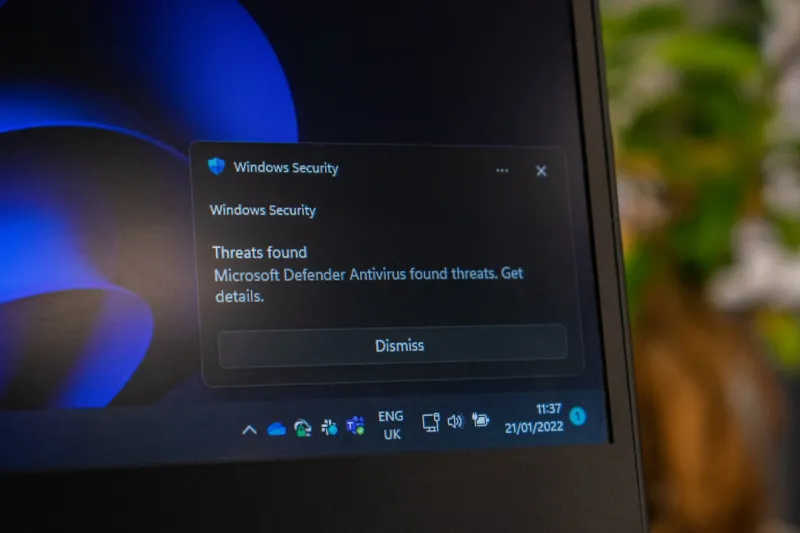
Traditional signature‑based antiviruses are increasingly outpaced by polymorphic malware that mutates faster than updates can be released. In 2026, AI‑enabled security suites can analyze behavior in real time, flagging suspicious activity before it writes to disk. Look for solutions that integrate with the OS kernel to monitor system calls, memory usage, and network traffic. When evaluating options, prioritize those that offer a “sandbox” environment for unknown executables, allowing you to test software without risking your primary system. Pair this with a reputable EDR (Endpoint Detection and Response) platform that logs events for forensic analysis. Understanding the threat landscape is crucial—see The Hidden Malware Threats Power Users Must Defeat in 2026 for a comprehensive rundown of emerging threats that target power‑user workflows.
Securing Your Development Toolchain
As a power user who builds software, your development environment is a high‑value target. Compromise of a compiler or package manager can inject malicious code into every binary you produce, silently spreading to downstream users. Begin by signing all your code with a trusted certificate and enabling Git commit signing to verify authorship. Use containerization or virtual machines for experimental builds; this isolates potential threats from your primary workstation. Keep your IDE, language runtimes, and build tools patched—many vulnerabilities arise from outdated libraries. Additionally, enforce strict dependency provenance: only pull packages from verified sources and lock versions in a manifest file. Implement a “zero‑trust” policy within the toolchain, requiring MFA for any administrative actions in your CI/CD pipelines. These practices transform your development stack from an easy entry point into a hardened, auditable system.
Data Encryption and Hard‑Drive Strategies for Power Users
Data at rest is just as vulnerable as data in motion, especially when you juggle multiple drives for performance, backup, and archival purposes. Full‑disk encryption (FDE) with XTS‑AES 256‑bit keys, powered by the TPM, ensures that even if a drive is stolen, its contents remain unreadable. For drives that support hardware encryption, enable it in the BIOS and verify that the encryption key is bound to the TPM, not stored on the drive itself. When configuring storage tiers, consider a tiered approach: a fast NVMe for active projects, a SATA SSD for secondary workloads, and a high‑capacity HDD for long‑term backups. Apply the principles from Hard Drive Strategies Power Users Need to Stay Ahead—regularly verify drive health with SMART, schedule immutable snapshots, and rotate backup media off‑site. Combining encryption with disciplined storage practices keeps your intellectual property safe from both cyber and physical threats.
Robust Password Management and Multi‑Factor Authentication
Even the most hardened hardware can be undone by a weak password. As a power user, you likely juggle dozens of services—cloud storage, code repositories, VPNs, and admin consoles. Centralize credential management with a reputable password manager that supports end‑to‑end encryption and auto‑fill capabilities. Generate passwords that are at least 16 characters long, mixing upper‑case, lower‑case, numbers, and symbols; let the manager handle the complexity. Enable multi‑factor authentication (MFA) wherever possible, preferably using hardware security keys that support FIDO2/WebAuthn, as they are resistant to phishing and man‑in‑the‑middle attacks. For critical accounts, consider using a separate authenticator device rather than a smartphone app, reducing the risk of malware compromising both factors. Regularly audit your MFA settings and retire any legacy methods, such as SMS codes, that can be intercepted.
Future‑Proofing with Timely Updates and Patch Management
In the fast‑moving tech landscape of 2026, staying current isn’t optional—it’s a security imperative. Yet many power users delay updates to avoid disrupting meticulously tuned systems. The solution is a structured patch management process: subscribe to vendor security bulletins, test updates in a sandbox environment, and roll them out during scheduled maintenance windows. Prioritize patches that address remote code execution, privilege escalation, and kernel vulnerabilities, as these pose the greatest risk. Leverage tools that automate the deployment of updates across multiple machines while still allowing you to roll back if an incompatibility arises. Remember, the cost of a breach far outweighs the temporary inconvenience of a reboot. By integrating updates into your workflow, you turn them into a secret weapon for resilience.
Physical Security: Guarding the Hardware Itself
Digital defenses are only half the battle; physical access can bypass even the strongest encryption. Secure your workstation in a lockable case or cabinet, especially if you work in a shared office or co‑working space. Use cable locks for desktops and consider biometric locks for laptops when traveling. Keep backup drives in a fire‑proof safe, and label them discreetly to avoid drawing attention. If you’re using a UPS, ensure it’s placed in a locked rack to prevent tampering. Moreover, maintain an inventory of all hardware components, assigning asset tags that link to a centralized asset management system. Physical security policies may feel old‑school, but they are a critical layer that protects against theft, sabotage, and unauthorized firmware flashing.
Continuous Learning and Community Engagement
The threat landscape evolves daily, and as power users we must stay ahead of the curve. Join security forums, attend virtual conferences, and subscribe to reputable threat intelligence newsletters. Engaging with the community not only provides early warnings about emerging exploits but also offers practical mitigation strategies that have been battle‑tested. Consider contributing to open‑source security tools; the act of reviewing code deepens your own understanding and builds a network of peers who can alert you to new risks. Finally, schedule quarterly “security sprints” where you review your configurations, run penetration tests, and update documentation. By treating security as an ongoing project rather than a one‑time checklist, you ensure that your high‑performance setup remains resilient for years to come.