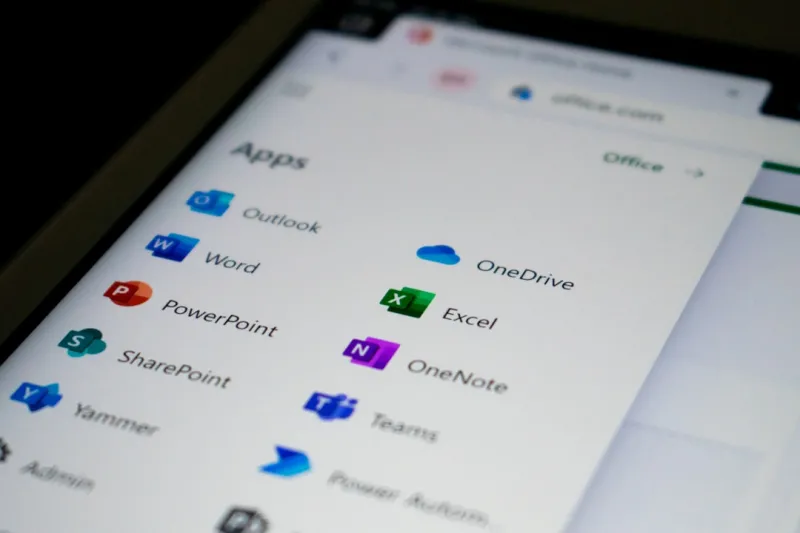
Microsoft Office has never been just a suite of static applications; it’s a living, breathing ecosystem that adapts to how we work, learn, and create. In 2026, the most noticeable shift is the seamless infusion of artificial intelligence into every corner of Word, Excel, PowerPoint, and Outlook, turning routine tasks into intelligent collaborations. As someone who has spent the last decade troubleshooting hardware, training teams, and writing code, I’ve watched Office evolve from a simple word processor into a proactive productivity partner. Today, AI doesn’t just suggest spell‑check corrections—it predicts the next paragraph you need, auto‑generates data insights, and even drafts entire presentations based on a single slide outline. This transformation is not a fleeting trend; it’s the new baseline for how modern professionals expect their tools to behave. In this article, I’ll walk you through the most impactful AI‑driven features, share practical shortcuts, and explain why embracing these changes is essential for staying competitive in a rapidly evolving workplace.
AI Copilots: Your New Co‑Authors in Word and Excel
Perhaps the most visible AI enhancement is the Copilot, now embedded directly into Word and Excel. In Word, Copilot can draft entire sections from a brief prompt, suggest stylistic changes, and even reformat documents to match your company’s branding guidelines—all in real time. Imagine typing “Create a project summary for the Q3 launch” and watching a polished, citation‑ready paragraph appear, complete with bullet points and a professional tone. In Excel, the Copilot takes data analysis from a manual, error‑prone chore to an intuitive dialogue. Ask it to “Identify trends in sales data over the last six months” and receive a clean chart, a written insight, and a set of recommendations for next‑quarter planning. The AI learns from your past actions, so the more you interact, the more accurate and context‑aware its suggestions become. For power users, the ability to chain commands—such as “Summarize these numbers, then create a pivot table”—streamlines workflows that once required multiple steps and deep formula knowledge, freeing up mental bandwidth for strategic thinking.
Teams Integration: Real‑Time Collaboration Gets Smarter
The synergy between Microsoft Teams and the Office suite has reached a new level of sophistication, thanks to AI‑enhanced meeting summaries, action‑item extraction, and live translation. During a Teams call, the AI listens (with your consent) and automatically generates a concise recap, highlighting decisions made, deadlines set, and tasks assigned. These notes are instantly attached to the relevant OneNote page or SharePoint folder, ensuring nothing falls through the cracks. Moreover, the AI can suggest follow‑up meetings based on project timelines discussed, and even draft email drafts for you to review in Outlook. For globally distributed teams, real‑time translation bridges language gaps, converting speech into subtitles in the listener’s preferred language while preserving technical nuance. The result is a collaboration environment where the friction of coordination disappears, allowing teams to focus on creativity and execution rather than administrative overhead.
Security and Compliance: AI Guardrails for Sensitive Data
With great power comes great responsibility, and the AI capabilities in Office are no exception when it comes to data protection. Microsoft’s built-in compliance engine now leverages AI to detect anomalous sharing patterns, flagging documents that contain personally identifiable information (PII) before they leave your organization’s secure perimeter. The system learns from historical incidents, continuously refining its detection algorithms to stay ahead of emerging threats. For businesses subject to strict regulatory frameworks—such as GDPR, HIPAA, or industry‑specific standards—these AI‑driven guardrails simplify audit preparation and reduce the risk of costly breaches. To further harden your environment, explore the best practices outlined in The Next Frontier: Securing Your PC in an AI‑Driven World, which provides actionable steps for integrating Office’s security features with broader endpoint protection strategies.
PowerPoint Design Intelligence: From Idea to Visual Storytelling
Creating a compelling slide deck used to be a time‑consuming exercise in design theory, but AI has turned PowerPoint into an instant visual storyteller. The Design Ideas feature now suggests entire slide layouts, color schemes, and iconography based on the content you paste into a slide. Need to illustrate a complex workflow? Simply type a brief description, and the AI will generate a flowchart, complete with animations that adapt to your presentation style. For those who prefer a hands‑off approach, the “Create from Outline” tool can transform a plain‑text agenda into a fully formatted presentation, complete with speaker notes and suggested transitions. This capability is especially valuable for remote educators and sales professionals who must produce polished decks on tight deadlines. To dive deeper into how AI reshapes Office, check out Unlocking the AI‑Powered Secrets of Microsoft Office, where I break down advanced prompts and hidden shortcuts that can supercharge your slide creation process.
Outlook as a Personal Assistant: AI‑Driven Email Management
Outlook’s AI has evolved from a simple “Focused Inbox” filter to a full‑featured personal assistant that schedules meetings, drafts replies, and even negotiates meeting times across time zones. When a new email arrives, the AI scans its content, identifies actionable items, and offers one‑click options such as “Accept Meeting,” “Add to To‑Do,” or “Reply with Suggested Draft.” If you’re juggling multiple projects, the AI can prioritize emails based on project relevance, flagging high‑importance messages while snoozing low‑priority ones for later. Integrated with the broader Windows AI ecosystem—highlighted in Windows 2026: How AI Turns the OS Into a Personal Productivity Partner—Outlook now syncs with your calendar, task manager, and even third‑party productivity apps, ensuring a unified view of your day. This level of automation reduces inbox overload, allowing you to focus on strategic communication rather than routine triage.
Power‑User Tips: Harnessing AI Across the Office Suite
For those who want to push the envelope, there are several advanced techniques to make AI work harder for you. First, use custom prompts in Copilot that include your company’s tone guidelines, ensuring generated content aligns with brand voice without manual editing. Second, leverage the “Data Types” feature in Excel to enrich plain data with AI‑sourced information—such as pulling real‑time stock prices or geographic demographics—directly into cells. Third, combine Power Automate flows with Office AI to trigger actions based on document changes; for example, when a sales report is updated in SharePoint, an automated email summarizing key metrics can be sent to stakeholders. Finally, ensure your hardware is AI‑ready; modern CPUs with built‑in neural accelerators can dramatically speed up on‑device AI processing, reducing latency when using Copilot features. Pairing your PC with the recommendations in “Building AI‑Ready PCs: The 2026 Hardware Playbook” can keep you ahead of the performance curve.
Looking Ahead: The Future of AI in Microsoft Office
The trajectory of AI within Microsoft Office points toward even deeper integration, where the line between user intent and system response becomes virtually invisible. Upcoming features promise context‑aware document generation that can anticipate the next chapter of a report based on previous sections, and predictive analytics that not only visualize data but also suggest strategic actions in real time. As AI models become more personalized, we can expect Office to adapt not just to the organization’s policies but to individual work habits, offering a truly bespoke productivity experience. Embracing these tools now positions you as a pioneer in a workplace where AI augments human creativity rather than replaces it. Stay curious, experiment with the AI features daily, and share your discoveries with teammates—because the collective learning will shape how Office evolves for all of us.