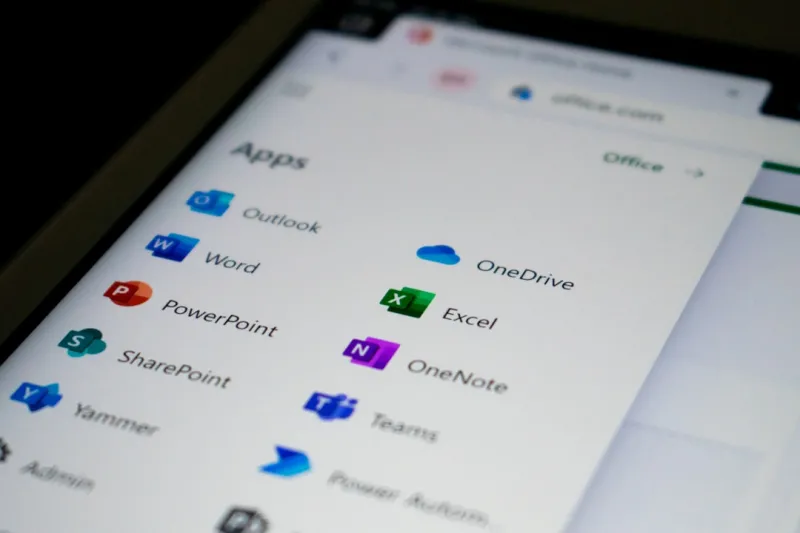
When I first started drafting documents on a clunky desktop in the early 2010s, Microsoft Office felt like a set of static tools—powerful, yet entirely dependent on my own discipline. Fast‑forward to 2026, and the suite has transformed into a proactive partner that anticipates my needs before I even type a keystroke. This shift isn’t just about flashy UI tweaks; it’s the result of deep‑learning models baked into Word, Excel, PowerPoint, and the whole 365 ecosystem. As someone who lives at the intersection of tech support and content creation, I’ve watched AI evolve from basic grammar checks to full‑blown contextual assistants that rewrite sections, suggest data visualizations, and even draft slide decks based on a single bullet point. The impact on daily workflows is undeniable—tasks that once took hours now shrink to minutes, freeing up mental bandwidth for strategic thinking. In this article, I’ll unpack the most compelling AI‑driven features, explore the security implications, and share how you can future‑proof both your software and hardware to stay ahead of the curve.
AI in Word and Excel: From Autocorrect to Autopilot
Word’s “Editor” has graduated from spelling and grammar to a full‑scale writing coach powered by large language models. When I draft a client proposal, the AI not only flags passive voice but also proposes alternative phrasing that aligns with my brand tone, all while preserving the original intent. Excel has taken a similar leap; the “Ideas” pane now scans entire workbooks, identifies trends, and auto‑generates pivot tables or charts without a single formula entered. The real magic happens when these suggestions become interactive—click a recommendation, and Excel writes the underlying DAX or Power Query code for you. This level of assistance means I spend less time wrestling with syntax and more time interpreting insights. For power users, the “Data Types” feature now pulls real‑time information from trusted sources, turning a column of company names into a live financial dashboard. By leveraging these AI capabilities, you can cut the time spent on routine formatting and calculations by up to 70%, letting creativity take the front seat.
Collaboration Gets Smarter with Teams and SharePoint
Collaboration has always been a cornerstone of Office, but the integration of AI has turned Teams and SharePoint into intuitive workspaces that adapt to project dynamics. In Teams, the new “Meeting Recap” feature automatically extracts key decisions, action items, and even sentiment analysis from video calls, delivering a concise summary to all participants within seconds. SharePoint libraries now employ AI to tag documents, suggest relevant files, and even predict which versions will become the most accessed based on usage patterns. I’ve found the “Co‑authoring” experience far smoother: as my teammates type, the system offers context‑aware suggestions, like linking a chart in PowerPoint to the latest Excel data source without manual updates. These capabilities reduce the friction of remote work, ensuring that every stakeholder stays aligned without the endless email chains that once clogged my inbox. The result is a collaborative environment that feels less like a collection of tools and more like a single, intelligent organism.
Security in an AI‑Infused Office Suite
With great power comes great responsibility, and the infusion of AI into Office raises fresh security challenges. Malicious actors are already experimenting with AI‑generated phishing emails that mimic a colleague’s writing style, making traditional spam filters less effective. That’s why Microsoft has layered advanced threat protection directly into Office 365, employing real‑time AI analysis to spot anomalous behavior—such as an unexpected attachment from a familiar sender. For those concerned about data leakage, the suite now offers AI‑driven sensitivity labels that automatically classify confidential information based on content patterns, applying encryption or access restrictions without user intervention. To stay ahead, I recommend reviewing the insights in AI‑Driven Threats and Edge Computing: How to Secure Your PC in 2026, which outlines practical steps for hardening your workstation against AI‑powered attacks. By embracing these built‑in safeguards, you can enjoy the productivity boost of AI while keeping your data locked down.
Data Crunching on Steroids: Excel Meets Power BI
One of the most exciting developments for analysts in 2026 is the seamless bridge between Excel and Power BI, powered by AI. When I upload a large dataset to Excel, the AI suggests the most appropriate visualizations, automatically creates a Power BI report, and even sets up a live connection so any changes in the spreadsheet instantly refresh the dashboard. The integration goes deeper with the new “Natural Language Query” feature—type a question like “What were our top‑selling products last quarter?” and the system generates the corresponding chart, complete with annotations and trend lines. This eliminates the need to master complex DAX formulas, democratizing data storytelling across the organization. Moreover, the AI can detect outliers, flag data quality issues, and recommend corrective actions, turning raw numbers into actionable insights with minimal manual effort. For teams that rely on fast decision‑making, this synergy between Excel and Power BI is a game‑changer, turning spreadsheets from static tables into living analytics hubs.
Personalizing Office with AI‑Ready Add‑Ins
Beyond the native AI features, the Office Store now hosts a growing ecosystem of add‑ins that extend functionality in niche ways. I’ve integrated a contract‑analysis plug‑in that leverages natural language processing to highlight risky clauses and suggest alternative language, dramatically cutting legal review time. For project managers, there’s an AI‑driven Gantt‑chart add‑in that auto‑populates timelines based on task descriptions, learning from previous project data to improve accuracy. These extensions are designed to be lightweight, but they do benefit from a system that can handle AI workloads efficiently. While I won’t dive into hardware specs here, it’s worth noting that an AI‑ready motherboard and sufficient RAM are essential for smooth performance when running multiple AI‑enhanced add‑ins simultaneously. Keep an eye on the hardware recommendations in related posts, especially if you plan to stack several productivity boosters on a single machine.
Building a Future‑Proof Machine for AI‑Heavy Office Tasks
To truly capitalize on the AI renaissance within Microsoft Office, your PC must be up to the task. Modern AI models rely heavily on fast memory access and parallel processing, meaning a solid mix of high‑speed DDR5 RAM, a capable GPU, and an AI‑ready motherboard are no longer optional—they’re prerequisites for a lag‑free experience. I recently upgraded my workstation following the guidance in Future‑Proof PC Hardware Trends You Can’t Miss, and the difference is palpable: AI‑generated document drafts appear instantly, and large Excel datasets load without a hitch. Additionally, SSDs with NVMe interfaces ensure that the massive model files used by Office’s AI engines are accessed at lightning speed. By investing in a balanced hardware stack today, you avoid costly bottlenecks tomorrow, and you keep your workflow as fluid as the AI features it supports.
Practical Tips to Harness the New Office Wave
Even with the most advanced tools, success hinges on smart habits. First, make it a routine to review AI suggestions rather than accepting them blindly; a quick glance can catch contextual missteps that the model might overlook. Second, leverage the “Version History” feature in OneDrive and SharePoint to experiment fearlessly—undoing changes is just a click away. Third, customize your AI settings per application; for instance, you can tighten the sensitivity of Word’s grammar engine for formal reports while keeping it relaxed for brainstorming notes. Fourth, stay updated on Microsoft’s quarterly feature rollouts; many AI enhancements are rolled out gradually, and early adopters reap the biggest productivity gains. Finally, consider formal training sessions for your team—interactive webinars on AI features not only boost adoption but also reduce the support tickets that usually accompany new technology deployments.
Looking Ahead: The Office Landscape in 2026 and Beyond
The trajectory of Microsoft Office is unmistakably AI‑first, and the momentum shows no signs of slowing. As the suite continues to learn from billions of interactions, we can expect even more granular personalization—imagine a Word that knows your preferred citation style and auto‑formats scholarly articles without a prompt. The integration with other Microsoft services, like Azure’s Cognitive Services, will further blur the lines between desktop productivity and cloud intelligence. For professionals like me, the key takeaway is to stay curious, experiment responsibly, and align hardware choices with the evolving software demands. To dive deeper into the broader AI transformation of Microsoft tools, explore Unlock the AI‑Driven Power of Microsoft Office, a comprehensive guide that walks you through the most impactful features and how to implement them today.