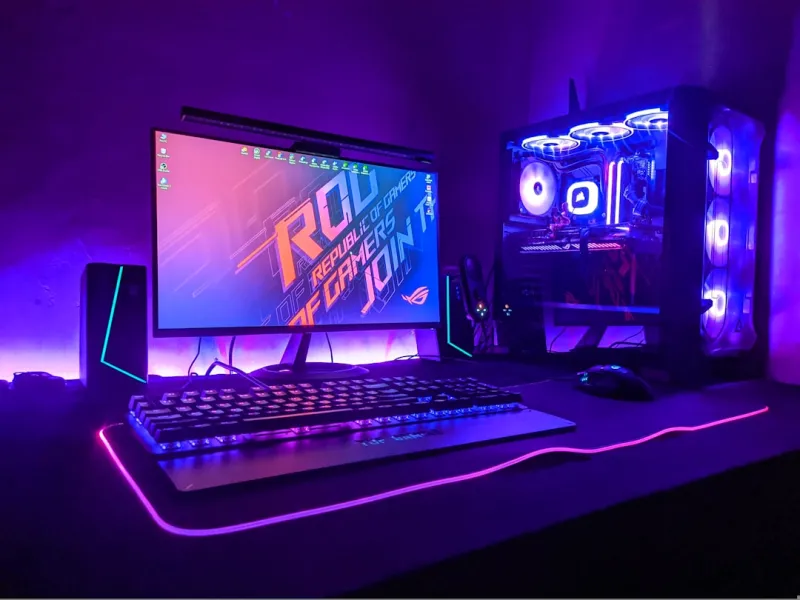
When I first powered on a freshly built machine in early 2026, the rush of seeing every core humming in perfect sync felt like opening a fresh notebook for a novel I hadn’t yet written. As a long‑time power user, my rigs are more than just tools; they’re extensions of my workflow, my creative outlet, and sometimes even my stress‑relief sandbox. That’s why I treat every upgrade not as a casual tweak but as a strategic move in a larger chess game against latency, thermal throttling, and the inevitable march of software demands. In this post I’ll walk you through the upgrades that have reshaped my own build this year, explain why each component matters in the grand scheme of performance, and sprinkle in a few hard‑won lessons that saved me from costly missteps. Think of this as a living checklist—one you can adapt, remix, and expand as the hardware landscape continues to evolve throughout 2026 and beyond.
Re‑Evaluating the Core: CPUs and Motherboards
The heart of any power‑user PC is still the CPU, but the conversation has shifted from raw clock speed to hybrid architectures that blend performance and efficiency cores. In 2026, the leading options from both Intel and AMD deliver up to 24 cores, and the real differentiator now is how well the motherboard can harness those cores without choking on bandwidth. I spent weeks testing the latest Z‑790 and X670E boards, paying close attention to PCIe 5.0 lane distribution and native support for DDR5‑6000 modules. A board that offers robust VRM cooling and a clean BIOS layout can shave milliseconds off compile times and keep the system stable under sustained loads. If you’re unsure where to start, check out The Ultimate Motherboard Guide for Power Users in 2026—it breaks down the chipset nuances you need to match with your processor of choice.
Graphics Power: Why the GPU Upgrade Still Matters
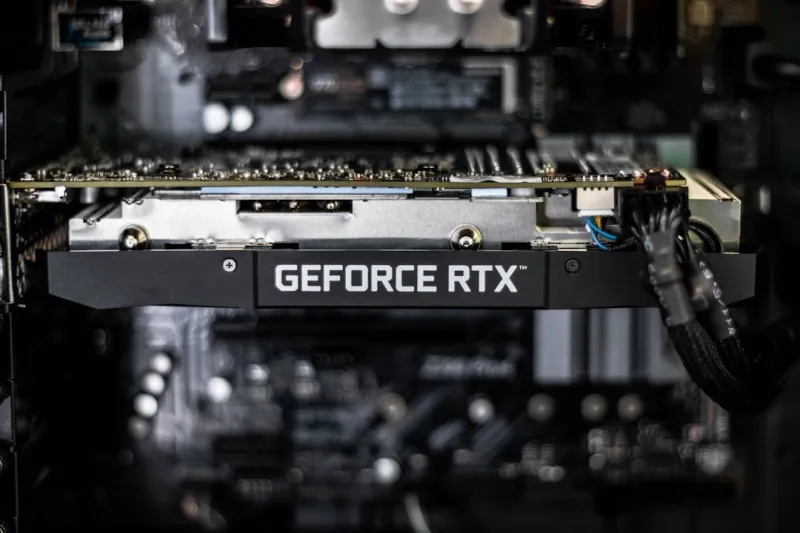
Even in an era where AI‑accelerated software can offload some tasks to the CPU, the GPU remains the undisputed workhorse for everything from 4K video rendering to real‑time ray tracing in design apps. The new generation of RTX‑6000‑class cards in 2026 boasts up to 48 GB of GDDR6X memory and a dedicated Tensor core suite that accelerates machine‑learning workloads directly on the card. However, raw power isn’t enough; stability is paramount. I ran into a dreaded driver loop that crashed my workstation during a critical render, and the fix was more than a simple update. The troubleshooting steps are detailed in Why Your GPU Might Be Acting Up and How to Fix It Fast, where you’ll learn how to isolate firmware conflicts, calibrate power limits, and use custom fan curves to keep temperatures in the sweet spot. With the right GPU and a disciplined approach to maintenance, you’ll notice a tangible lift in both frame rates and compute throughput.
Memory Matters: DDR5, Capacity, and Timing
When it comes to RAM, the mantra in 2026 has shifted from “more is better” to “balanced is best.” While 64 GB kits are now commonplace, the sweet spot for most power users sits at 128 GB of DDR5‑5600 with tight CAS latency, especially if you juggle virtual machines, large datasets, and heavy multitasking. I once upgraded to a 256 GB kit, only to discover diminishing returns because my motherboard’s memory controller couldn’t fully exploit the extra bandwidth, leading to occasional freezes. To avoid that pitfall, I recommend a methodical approach: start with a dual‑channel configuration, benchmark your typical workloads, then scale up as needed. If you suspect instability, the guide How to Diagnose and Fix RAM Issues Like a Power User walks you through memtest, voltage tweaks, and timing adjustments that can rescue a seemingly “perfect” kit.
Storage Strategies: NVMe Speed Meets HDD Capacity
Fast storage is no longer a luxury; it’s a baseline expectation. NVMe SSDs in 2026 deliver read speeds north of 10 GB/s, cutting boot times to seconds and shaving minutes off large file transfers. Yet, many power users—myself included—still rely on massive HDD arrays for archival projects, raw footage, and backup reservoirs. The hybrid approach lets you keep the OS and active workloads on a lightning‑quick NVMe drive while relegating bulk storage to a 12‑TB 7200 RPM platter that offers unbeatable cost per gigabyte. This dual‑tier setup also extends the life of your SSD by reducing write‑amplification. For a deeper dive into why hard drives remain relevant, see Hard Drives Still Rule: How Power Users Leverage Massive Storage in 2026, which outlines RAID configurations and caching tricks that keep data flowing without bottlenecks.
Power Delivery and Cooling: The Unsung Heroes
A high‑performance system demands a power supply that can deliver clean, stable wattage under load. In 2026, 80 PLUS Platinum 1000 W units have become the sweet spot for rigs that pack a top‑tier GPU, multiple SSDs, and a robust cooling loop. Don’t overlook the importance of modular cables; they reduce clutter, improve airflow, and simplify future upgrades. Speaking of cooling, the shift toward hybrid AIO‑liquid coolers with integrated pump control has been a game‑changer for maintaining sub‑70 °C temperatures during prolonged stress tests. I’ve also started using software‑controlled fan curves that sync with my motherboard’s thermal sensors, allowing the system to stay whisper‑quiet during office work while still ramping up when I push the limits in 3D rendering sessions. Pair these choices with a solid grounding plan, and you’ll protect not just performance but the longevity of every component.
Future‑Proofing: Building a Platform That Grows With You
The ultimate goal of any upgrade cycle is to create a platform that can absorb the next wave of innovations without a full rebuild. That means selecting a case with ample drive bays, a motherboard with spare PCIe slots, and a PSU with headroom for potential 600 W graphics cards that may hit the market next year. I followed the roadmap laid out in Building a Future‑Proof Power‑User PC in 2026, which emphasizes modularity, forward‑compatible I/O (like USB‑4 and Thunderbolt 4), and firmware update policies that keep your hardware relevant. By investing in a chassis that supports both 3‑inch and 2.5‑inch drives, you can swap in larger SSDs or add more HDDs as your storage needs evolve. The same principle applies to RAM—choose a board that can handle 256 GB so you have room to expand without replacing the entire system. When you design with the future in mind, each upgrade becomes a plug‑and‑play event rather than a disruptive overhaul.
Staying Ahead: Software, Security, and the Power‑User Mindset
Hardware upgrades are only half the story; the software ecosystem must keep pace. In 2026, critical updates arrive faster than ever, and ignoring them can erode the performance gains you’ve just earned. I make it a habit to review the latest patches outlined in Critical Updates Every Power User Must Know in 2026, especially those that touch driver stacks, BIOS firmware, and security suites. A zero‑trust mindset—something I champion in my security guides—ensures that each new component is vetted, encrypted, and integrated without opening backdoors. By aligning your upgrade schedule with a disciplined update routine, you protect your investment and maintain the razor‑sharp responsiveness that power users demand. So, whether you’re swapping out a GPU, adding more RAM, or re‑architecting your storage, remember that the real power lies in a holistic approach that blends hardware prowess with vigilant software stewardship.