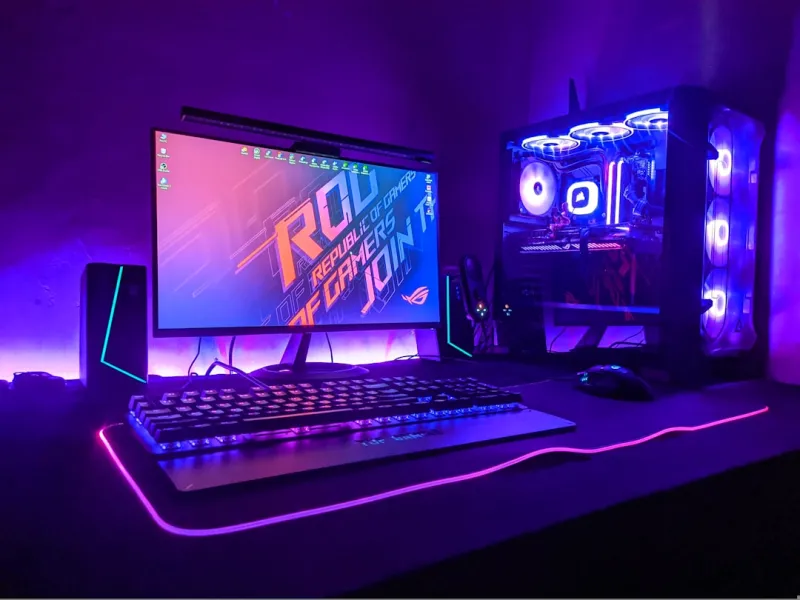
When I first cracked open my 2020 rig last year, the temptation to chase every new GPU and CPU on the market was almost overwhelming. Fast forward to 2026, and the upgrade landscape has matured into a strategic playground where every component can either bottleneck or catapult your workflow. As a power‑user who lives for the sweet spot between raw performance and long‑term reliability, I’ve learned that the best upgrades are those that align with both the software you run and the tasks you love. Whether you’re deep‑learning models, streaming at 8K, or compiling massive codebases, a thoughtful upgrade plan can shave hours off your day and keep your machine relevant for years. In this post, I’ll walk through the hardware trends that matter most, the supporting pieces that often get overlooked, and the software hygiene that ensures your new parts stay humming smoothly.
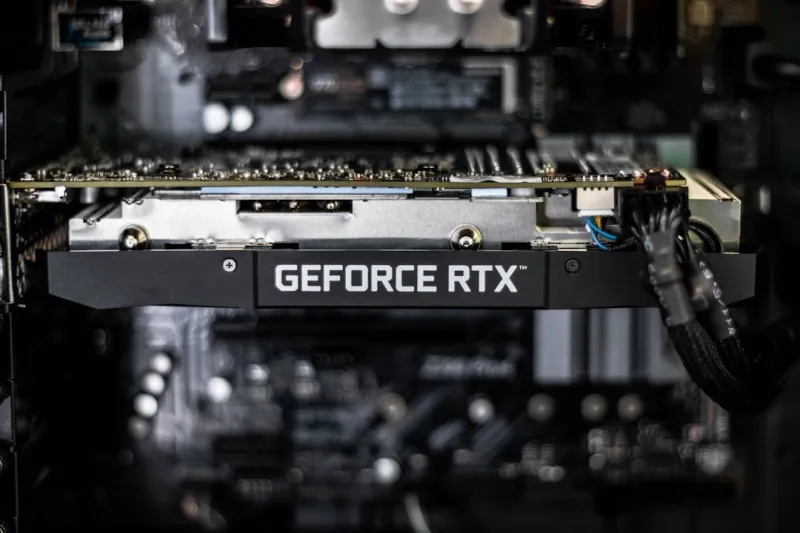
The graphics card market in 2026 is dominated by the RTX 6000‑Series and AMD’s Radeon RX 9‑Series, both offering massive leaps in ray tracing and AI‑accelerated workloads. The RTX 6080, for instance, packs dedicated Tensor cores that can handle diffusion models in real‑time, a game‑changer for creators dabbling in generative AI. Meanwhile, AMD’s RX 9700 brings a new Infinity Cache architecture that slashes memory latency, making it a strong contender for high‑frame‑rate gaming and scientific visualization. When deciding which GPU to drop into your build, consider not just raw FLOPS but also the software stack you rely on—CUDA‑heavy pipelines still favor NVIDIA, while OpenCL‑friendly tools can thrive on AMD. Pairing these cards with a PCIe 5.0 x16 slot ensures you’ll extract every ounce of bandwidth, setting a solid foundation for the next wave of compute‑intensive applications.
CPU upgrades have taken a nuanced turn this year, with AMD’s Zen 5 “Granite Ridge” and Intel’s 14‑nm “Raptor Lake Refresh” battling for supremacy in multi‑threaded performance and power efficiency. Zen 5’s hybrid core design, mixing high‑performance cores with efficiency cores, mirrors Intel’s approach but pushes the envelope with a 20% uplift in per‑core IPC. If you spend a lot of time compiling code, running virtual machines, or hosting containers, the extra cores translate directly into faster build times and smoother multitasking. However, it’s not just about raw cores; thermal design power (TDP) considerations have become critical as power consumption rises. Investing in a robust cooling solution—whether an AIO liquid cooler or a high‑quality air cooler—will protect your CPU’s boost clocks and keep thermals in check, ensuring you reap the full performance gains without throttling.
Memory, Storage, and Motherboard Decisions
Memory technology has finally caught up with the demands of AI and high‑resolution content creation. DDR5 6000‑MHz kits are now mainstream, but the real buzz is DDR6, which promises lower latency and higher bandwidth while consuming less power. For most power users, a 32 GB DDR5 configuration offers a sweet spot, allowing you to run multiple VMs, large datasets, and demanding games simultaneously. If you’re leaning toward future‑proofing, opting for DDR6‑compatible motherboards can extend the lifespan of your build, especially as software begins to leverage the extra bandwidth for real‑time AI inference. Remember to enable XMP profiles in BIOS to unleash the full speed of your memory modules; the performance delta between default and XMP‑tuned settings can be as much as 15%, a noticeable boost in both gaming and professional workloads.
Storage upgrades in 2026 revolve around PCIe 5.0 NVMe SSDs that can push sequential reads past 14 GB/s, dramatically cutting load times for massive game worlds and data‑intensive applications. Yet, despite the flash frenzy, hard drives still hold a vital place for archival backups and cold storage. Their cost‑per‑gigabyte remains unbeatable, making them ideal for storing raw video footage, large datasets, or simply as a safety net. A hybrid approach—using a PCIe 5.0 SSD for OS and active projects, paired with a high‑capacity HDD for backups—balances speed and budget while ensuring you never run out of storage space as your projects grow.
The motherboard has become the linchpin that determines how well all these upgrades harmonize. Modern power users must look beyond simple form factor and chipset compatibility; things like robust VRM phases, PCIe lane allocation, and integrated Wi‑Fi 7 are now baseline expectations. In Why Motherboard Choices Matter More Than Ever for Power Users, I dive deep into why a well‑designed board can prevent bottlenecks that would otherwise cripple even the most expensive CPU and GPU combo. Features such as BIOS flashback, dual BIOS, and extensive M.2 slots provide the flexibility to upgrade incrementally without a complete rebuild, safeguarding your investment as technology evolves.
Power, Cooling, and the Software Side
A power supply that can’t keep up with the demands of a high‑end GPU and a power‑hungry CPU is a recipe for instability. Look for 80+ Platinum certified units delivering 1000 W or more, with fully modular cabling to improve airflow and reduce cable clutter. In my latest build, I opted for a 1200 W modular PSU with a silent fan curve, which not only handled the peak draws of an RTX 6080 and a Zen 5 CPU but also kept the noise floor below 30 dB under load. Additionally, pay attention to the PSU’s transient response specs; a unit that can quickly react to sudden spikes prevents voltage droops that could otherwise cause crashes or data corruption.
Cooling has evolved from bulky radiators to sleek, hybrid solutions that blend air and liquid cooling for optimal thermal performance. A well‑designed case with high‑static‑pressure fans at the intake and exhaust can maintain a positive pressure environment, reducing dust buildup and keeping component temperatures low. I’ve found that pairing a 360 mm AIO cooler with a case that supports dual 140 mm exhaust fans creates a balanced thermal envelope, allowing the CPU and GPU to sustain boost clocks for longer periods. Don’t overlook the importance of thermal paste quality—high‑performance compounds can shave off a few degrees, which, at the margins, can be the difference between throttling and sustained peak performance.
Hardware upgrades only deliver their promised benefits when the software stack is equally up‑to‑date. Firmware, BIOS, and driver updates can unlock hidden performance modes, improve stability, and patch security vulnerabilities that could otherwise expose your system. In the fast‑moving world of 2026, missing a critical patch can be costly; see Critical Updates Power Users Can’t Afford to Miss for a curated checklist that I use after every major hardware change. Beyond updates, fine‑tuning power plans, disabling unnecessary services, and leveraging tools like Windows Performance Analyzer help you squeeze every ounce of performance from your new components. With a solid foundation of hardware and a disciplined approach to software maintenance, your PC will stay fast, reliable, and ready for whatever the next tech wave brings.
Looking ahead, the next generation of AI accelerators and quantum‑inspired co‑processors is already on the horizon, promising to reshape how we think about PC upgrades. While it’s tempting to chase every emerging technology, the key is to build a modular system that can absorb these advances without a full teardown. By investing in a flexible motherboard, ample PCIe lanes, and a high‑capacity power supply, you position your rig to adopt new cards or modules as they become mainstream. In the meantime, keep an eye on software trends—tools that leverage GPU‑accelerated ray tracing for real‑time rendering or AI‑driven code analysis will only become more prevalent. Stay curious, stay updated, and remember that a well‑balanced upgrade strategy is the secret sauce that turns a good PC into a powerhouse you’ll love to tinker with for years to come.