When I first cracked open a fresh‑out‑the‑box motherboard back in 2022, I never imagined the pace at which hardware would sprint into the AI‑centric era we now inhabit. 2026 feels like a turning point: CPUs are no longer just “fast”; they’re hybrid engines that blend traditional cores with dedicated AI accelerators, and every enthusiast is scrambling to squeeze those extra teraflops into a single desktop. As a longtime power‑user, I’ve learned that the best builds aren’t about chasing the flashiest specs; they’re about understanding how each component talks to the next. In this post, I’ll walk you through the trends that matter most, why they matter to folks who push their machines to the limit, and how you can stay ahead without burning a hole in your wallet. Think of it as a field guide for the modern hardware junkie, written from the front‑line perspective of someone who’s built, busted, and rebuilt more rigs than most can count.
The CPU Landscape: From Core Count to AI‑First Design
In 2026, the CPU market has shed the old “more cores = better” mantra and embraced a more nuanced hierarchy. Leading vendors now ship chips that combine high‑performance cores for raw speed with efficiency cores that handle background tasks, all while embedding AI‑specific silicon that can offload machine‑learning inference in real time. What this means for power users is a dramatic reduction in latency for tasks like real‑time video encoding, AI‑assisted coding, and even complex scientific simulations. The trick is to match the right workload to the right core type; for example, gaming sessions benefit from the high‑performance cores, whereas a continuous stream of AI‑driven plugins in a DAW leans heavily on the AI accelerators. Pairing these CPUs with a motherboard that supports fine‑grained power management and robust PCIe 5.0 lanes ensures you can tap into every ounce of performance without throttling. The bottom line: choose a processor that not only boasts impressive clock speeds but also offers a well‑rounded AI toolbox out of the box.
GPU Evolution: Beyond Rasterization to Real‑Time AI Rendering
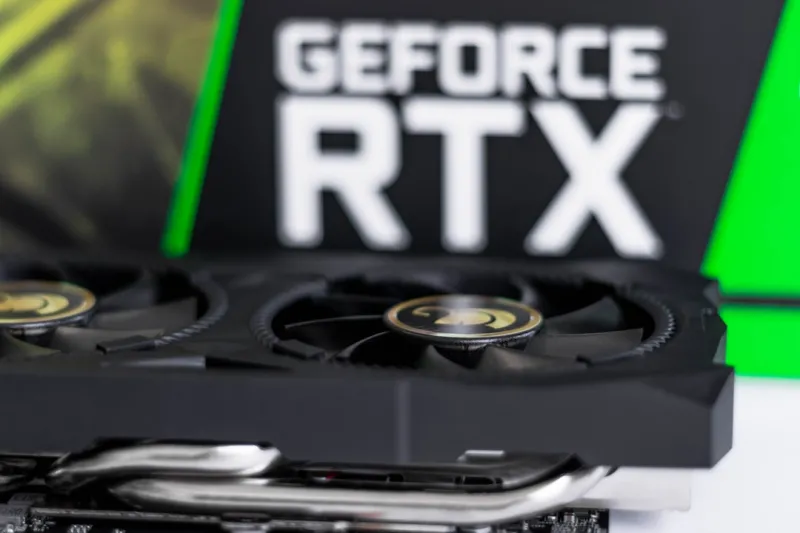
The graphics card arena has been on a relentless march toward integrating AI at the heart of the rendering pipeline. Modern GPUs now feature tensor cores that power technologies like DLSS 4.0, delivering 4K gaming at framerates that were once reserved for professional workstations. For power users, this isn’t just about eye‑candy; it’s about unlocking new workflows. AI‑upscaled textures let you keep a lean VRAM footprint while still achieving crisp visuals, and real‑time ray tracing has finally become viable for mainstream titles without sacrificing performance. Moreover, the rise of compute‑focused GPUs means that tasks such as 3D rendering, deep‑learning model training, and cryptocurrency mining can coexist on the same card, provided you allocate resources wisely. When selecting a GPU, consider the balance between VRAM capacity—64 GB is no longer a fantasy for the most demanding creators—and the breadth of AI features supported. A well‑chosen GPU can future‑proof your rig for the next wave of AI‑enhanced software, ensuring you stay productive as the industry evolves.
Memory Matters: Tackling Latency, Capacity, and Stability
While CPUs and GPUs often steal the spotlight, memory is the silent workhorse that can make or break a high‑performance system. DDR5 has become the baseline in 2026, offering higher bandwidth and lower power draw compared to its predecessor, yet the industry is already teasing DDR6 modules that promise double the data rates. The challenge for power users is not just about chasing the highest speed rating; it’s about ensuring system stability under sustained loads. Memory timing, voltage headroom, and compatibility with the motherboard’s BIOS can introduce subtle glitches that lead to crashes—especially when you’re pushing the limits with heavy virtualization or large‑scale data processing. If you’ve ever wondered why a perfectly spec’d build still hiccups under pressure, our deep dive on Why Memory Issues Crash Even the Best PCs—and How to Fix Them breaks down the common culprits and offers practical troubleshooting steps. In short, prioritize quality DIMMs from reputable manufacturers, test each kit with a memory diagnostic tool, and don’t shy away from enabling XMP profiles that are tuned for stability rather than raw speed.
Storage Strategies: SSDs, NVMe, and the Underrated Hard Drive
Speed enthusiasts often proclaim that SSDs have made hard drives obsolete, but the reality in 2026 is more nuanced. NVMe drives, especially those leveraging PCIe 5.0, can deliver read/write speeds exceeding 14 GB/s, dramatically shaving minutes off large file transfers and game load times. However, for massive data archives—think 50 TB of 4K video footage or extensive scientific datasets—the cost per gigabyte of SSDs remains prohibitive. This is where traditional hard drives re‑emerge as the backbone of a balanced storage tier. Our earlier piece Hard Drives: The Power‑User’s Underrated Backbone highlights how a well‑configured RAID array of high‑density HDDs can provide reliable, cost‑effective bulk storage while you keep your primary OS and applications on blazing‑fast NVMe media. Pairing a 2 TB PCIe 5.0 SSD for the OS and active projects with a 10 TB HDD pool for archival needs strikes a sweet spot between performance and budget, ensuring you never run out of space or patience.
Power Delivery and Cooling: Keeping the Beast Cool and Efficient
As components demand more power, the role of a robust power supply and an efficient cooling solution becomes paramount. Modern 80+ Platinum PSUs now regularly push 1200 W with near‑perfect efficiency, reducing heat and electricity waste. For builders who overclock or run multiple GPUs, modular designs with dedicated rails help maintain stable voltage under peak load. On the cooling front, the shift toward hybrid liquid cooling—combining a traditional AIO for the CPU with a custom loop for GPU and VRMs—offers both aesthetic appeal and thermal headroom. Yet, not every power user needs a full‑blown custom loop; high‑quality air coolers equipped with dual‑fan configurations and larger heatsinks can match AIO performance for many CPUs, especially those with built‑in AI accelerators that stay cooler under typical workloads. Remember to monitor temperatures via BIOS or software utilities and adjust fan curves accordingly; a well‑tuned system will stay quiet, stable, and ready for the next demanding task.
Future‑Proofing Your Upgrade Path: Planning for the Next Five Years
One of the most frustrating experiences for a power user is investing heavily in a build only to find a single component becomes a bottleneck within a year. In 2026, the key to avoiding that pitfall is a forward‑thinking upgrade strategy that anticipates emerging standards without overspending today. Start with a motherboard that offers ample PCIe 5.0 slots, additional M.2 bays, and a robust BIOS that receives regular firmware updates. Opt for a case with modular drive cages and cable management features, so you can add or replace storage and cooling components with ease. Our guide How to Future‑Proof Your PC Upgrade in 2026 walks you through selecting components that will remain relevant as DDR6, PCIe 6.0, and next‑gen Wi‑Fi standards roll out. By focusing on modularity and scalability—such as choosing a PSU with extra connectors for future GPUs—you protect your investment and keep your rig competitive for years to come.
Blueprint for a Balanced Build: Integrating All the Pieces
When I sit down to design a new rig, I treat it like assembling a high‑performance orchestra: every instrument must be in tune with the others. A solid blueprint starts with a clear use‑case—gaming, content creation, AI development, or a mix of all three. From there, I map out the performance envelope: a CPU with at least 16 cores, a GPU with 24 GB VRAM, 32 GB of DDR5 (with room to upgrade), and a storage hierarchy that couples a 2 TB PCIe 5.0 NVMe SSD with a 12 TB HDD array. The motherboard should support PCIe 5.0 x16 slots for the GPU and additional lanes for future expansion, while also featuring robust power phases for clean voltage delivery. A well‑chosen case with airflow optimized for both intake and exhaust will keep temperatures low, especially when paired with a high‑efficiency 850 W Platinum PSU. This approach mirrors the methodology outlined in Mastering the 2026 PC Build: A Power‑User’s Blueprint for Peak Performance, ensuring each component complements the others for a harmonious, high‑speed experience.
Hardware‑Based Security: Encryption, TPM, and Beyond
Security is no longer an afterthought; it’s woven into the silicon itself. Modern CPUs and motherboards now ship with built‑in Trusted Platform Modules (TPM 2.2) and hardware‑accelerated AES encryption, enabling fast, transparent data protection without sacrificing performance. For power users handling sensitive client data or proprietary code, enabling full‑disk encryption via the hardware TPM adds a layer of defense that software‑only solutions can’t match. Additionally, many SSDs now feature self‑encryption keys (SED) that lock the drive at power‑on, further safeguarding against physical theft. Pair these capabilities with secure boot settings and regular firmware updates, and you create a fortress that protects both the system’s integrity and the data it processes. While these features are often hidden behind BIOS menus, taking a few minutes to enable them can save hours of potential recovery work down the line.
Wrapping Up: Your Path to a Next‑Gen Power‑User Machine
Building a high‑performance PC in 2026 is both an art and a science, and the decisions you make today will echo for years. By focusing on CPU‑AI integration, GPU‑driven real‑time rendering, balanced memory and storage configurations, robust power delivery, and hardware‑level security, you set the stage for a machine that can tackle tomorrow’s workloads today. I hope this guide helps you cut through the hype and zero in on the components that truly matter for your workflow. If you’re hungry for more deep dives—whether it’s on optimizing RAM, mastering AI‑centric development stacks, or refining your home network—check out the other posts linked throughout this article. Happy building, and may your frames stay high and your temps stay low!