When my workstation hiccups in the middle of a demanding compile, the first thing I suspect isn’t the CPU or the GPU—it’s the RAM. In 2026, memory modules have become faster, denser, and more complex, but they’re also more prone to subtle glitches that can masquerade as software bugs or driver failures. I’ve spent countless late‑night sessions tearing down and rebuilding rigs, and I’ve learned that the most common memory woes are often overlooked because they don’t scream “Bad RAM!” in the usual diagnostic windows. This post walks you through a systematic, power‑user‑focused approach to diagnosing, troubleshooting, and ultimately conquering RAM problems before they cripple your productivity. By the end, you’ll have a clear roadmap that blends hardware sleuthing with software sanity checks, ensuring that your system runs as smoothly as the code you write.
Spotting the Symptoms Before They Snowball
The first step is recognizing the tell‑tale signs of memory distress. Random application crashes, unexplained blue screens, and intermittent freezes are classic red flags. Even something as innocuous as a sudden slowdown during a large data import can be a symptom of failing DIMMs or timing mismatches. In my experience, the most deceptive issues are those that appear only under specific loads—like when you push a deep learning model past a certain batch size or when a virtual machine spikes its memory allocation. Keep a log of when the anomalies occur: note the workload, the exact time, and any recent hardware changes. This contextual data becomes invaluable when you start isolating the problem, especially when you compare it against known issues discussed in resources like Why RAM Problems Slip Past Power Users and How to Fix Them. A disciplined log transforms a vague “my PC is acting weird” into a data‑driven mystery ready for systematic elimination.
BIOS, XMP, and the First Line of Defense
Before you even boot into Windows, the firmware layer is the gatekeeper of memory stability. In 2026, most motherboards ship with aggressive default timings that prioritize raw speed over reliability, especially on high‑frequency DDR5 kits. The first thing I do after a fresh install—or after swapping a module—is to enter the BIOS and verify that the XMP (or its successor, EXPO for AMD platforms) profile is correctly applied. Many users overlook the fact that enabling XMP without confirming voltage settings can introduce subtle errors that only manifest under sustained load. Double‑check that the memory voltage matches the module’s specifications, and consider manually setting the timings if you’re comfortable with the numbers. While you’re there, run the built‑in memory test if your firmware offers one; it’s a quick sanity check that can catch glaring errors before they propagate into the operating system.
Windows Memory Diagnostic vs. MemTest86: Choosing the Right Tool
Once you’re past the BIOS, it’s time to let software do the heavy lifting. Windows Memory Diagnostic is a convenient, built‑in option, but it’s limited in depth and often skips over nuanced timing errors. For a thorough examination, I recommend booting a USB‑stick with Mastering the 2026 PC Build: A Power‑User’s Blueprint for Peak Performance’s recommended MemTest86 image. Run at least three full passes; modern DDR5 modules can hide defects that only surface after several hours of continuous stress. Pay attention to any “unknown error” messages—these are often the early signs of a failing chip or an incompatibility between the memory controller and the DIMM. If MemTest86 flags errors, swap the modules one at a time to isolate the culprit, and consider testing each stick in a different slot to rule out motherboard trace issues.
Mismatched Speeds and Capacity: The Hidden Saboteurs
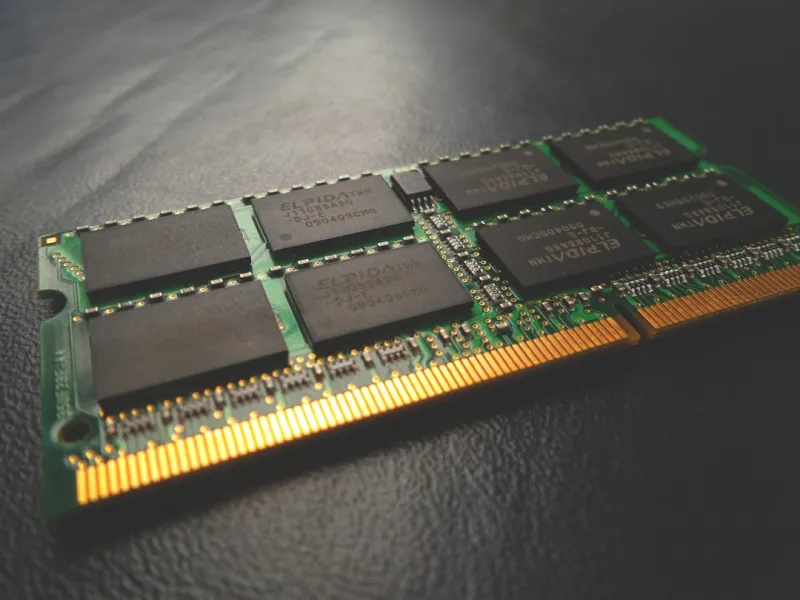
Power users love to mix and match modules to hit a specific capacity or budget, but combining different speeds, latencies, or even manufacturers can create a perfect storm of instability. In 2026, the industry still ships mixed‑generation DDR5 kits, and the motherboard’s memory controller will often down‑clock the entire set to the lowest common denominator—sometimes in a way that introduces timing conflicts. A practical rule of thumb I follow is to keep all modules within the same product family and, if possible, the same production batch. If you must blend capacities, ensure the total configuration respects the motherboard’s dual‑channel or quad‑channel architecture; otherwise, you risk uneven memory bandwidth that can look like random lag. Use the system information utility (e.g., CPU‑Z) to verify that the effective speed and latency match the specifications of your highest‑performing module.
Physical Inspection: Reseating, Cleaning, and Contact Integrity
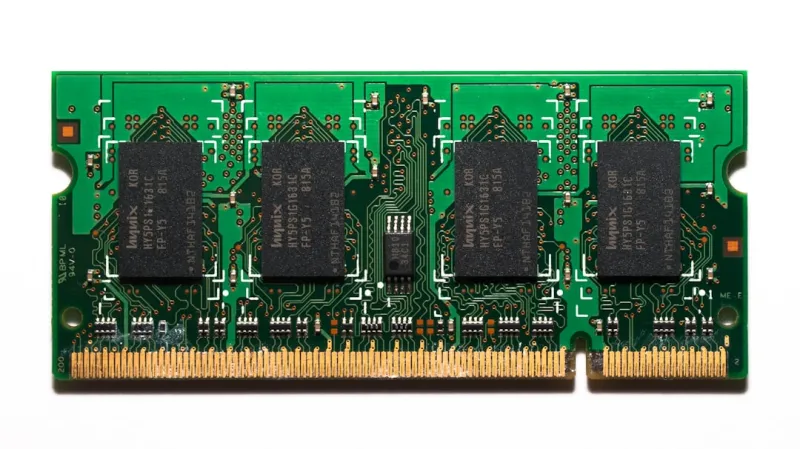
Even the most meticulous BIOS configuration can be undone by a dusty slot or a slightly bent pin. After confirming the software side, power down, unplug, and give the memory slots a thorough inspection. Use a soft brush or compressed air to clear any debris, and check the DIMM contacts for oxidation—a faint gray film can impede signal integrity. When reseating, apply even pressure on both ends of the module until the retaining clips click into place. It’s surprising how often a loose connection masquerades as a “bad RAM” error, especially after a move or a chassis upgrade. Once reseated, re‑run your memory tests to see if the issue persists; many problems that appear cryptic on the surface are solved by this simple, physical step.
Firmware Updates: The Overlooked Stability Booster
Motherboard manufacturers release BIOS updates not just for new CPUs but also to improve memory compatibility and timing algorithms. In 2026, many updates address the quirks of high‑density DDR5 and the emerging DDR6 modules. I always check the vendor’s support page for the latest firmware before finalizing any memory troubleshooting session. Flash the BIOS with the recommended version, then re‑apply your XMP profile (or manually tune the timings again). Some updates also introduce “Memory Training” enhancements that can automatically adjust voltage and timing parameters for better stability. Skipping this step is a common mistake that can leave you chasing phantom RAM errors that are actually fixed in a recent patch.
Software‑Side Memory Management: Page Files, Leaks, and Overcommit
Even with flawless hardware, software can sabotage your RAM. Modern operating systems use a combination of physical memory and virtual memory (page file) to manage workloads. If the page file is disabled or set to an overly aggressive size, you might see “out of memory” errors despite having ample physical RAM. Conversely, a page file that’s too large can cause excessive disk thrashing, mimicking RAM bottlenecks. Additionally, memory leaks in background services—common in some beta drivers and newly released AI tooling—can slowly consume available RAM, leading to sudden crashes. Use tools like Windows Resource Monitor or Linux’s htop to track process memory consumption over time. If you spot a process steadily rising without release, consider updating the software or applying patches, and always keep your OS and drivers current to benefit from the latest memory management improvements.
Future‑Proofing Your Memory Strategy in 2026
Looking ahead, the next wave of high‑performance applications—especially AI‑accelerated workloads—will demand even larger and faster memory footprints. When planning a new build or an upgrade, aim for a balance between capacity and speed that aligns with your projected needs. For most power users, 64 GB of DDR5‑5600 provides a solid baseline for heavy multitasking and virtualization, while 128 GB becomes essential for large dataset training or extensive containerized environments. Keep an eye on emerging DDR6 standards, which promise higher bandwidth at lower power consumption, but remember that adoption may be limited for the next couple of years. Pair your RAM choice with a motherboard that supports memory overclocking and has robust power delivery to the DIMM slots—this gives you headroom to tweak timings as firmware evolves. For strategic guidance, check out How to Future‑Proof Your PC Upgrade in 2026 for deeper insights into scaling your memory alongside other components.
Wrapping Up: A Checklist for the Power‑User
To summarize, here’s a quick checklist you can follow after encountering any RAM‑related issue: 1) Log the symptoms with context; 2) Verify BIOS settings and XMP/EXPO profiles; 3) Run MemTest86 for multiple passes; 4) Ensure all modules match in speed, latency, and brand; 5) Reseat and clean the DIMMs; 6) Update motherboard firmware; 7) Review OS page file and monitor for leaks; 8) Plan capacity upgrades with future workloads in mind. By methodically working through these steps, you’ll eliminate the majority of memory mysteries that plague even seasoned power users. Remember, RAM isn’t just a passive component—it’s the nervous system of your PC, and keeping it healthy ensures that every other part of your rig can perform at its peak. Feel free to share your own troubleshooting stories in the comments, and let’s keep the conversation moving forward.