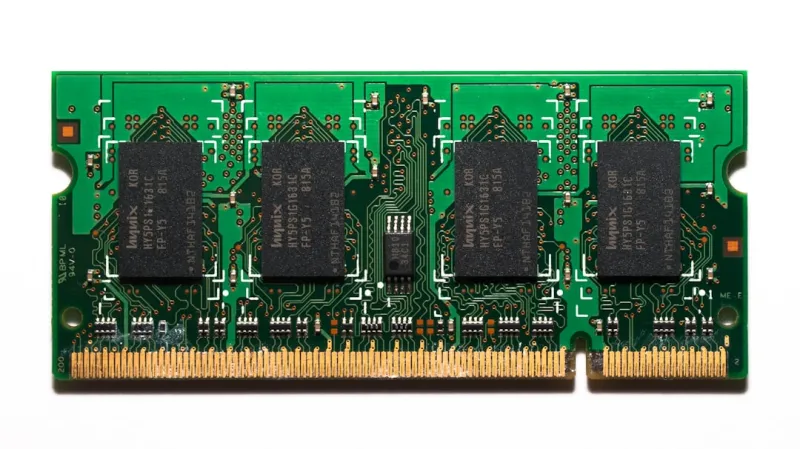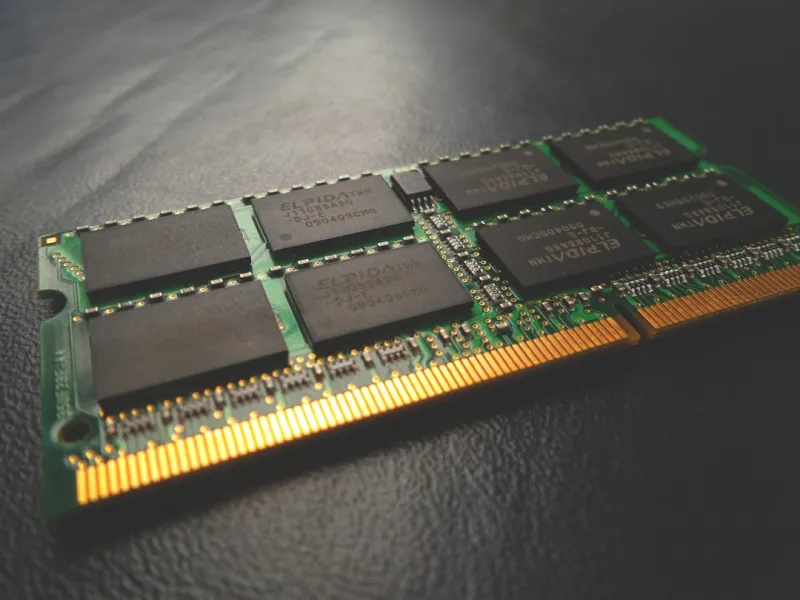
When I first swapped out a 16 GB DDR4 stick for a sleek 32 GB DDR5 module back in 2024, I thought I’d finally nailed the “future‑proof” upgrade. Fast‑forward to 2026, and the reality is a little more nuanced: RAM isn’t just a capacity metric, it’s a performance orchestra that can easily fall out of tune. In my daily grind—debugging code, rendering 4K video, and running AI inference locally—I’ve learned that a memory glitch can masquerade as a slow CPU, a lagging GPU, or even a phantom network lag. In this deep‑dive, I’ll walk you through the most common RAM‑related symptoms, diagnostic tools that actually work, and practical fixes you can apply before you’re forced to call a technician. Expect real‑world anecdotes, a few hard‑earned shortcuts, and a roadmap that aligns with the power‑user mindset we all share.
Understanding the Modern Memory Landscape
Today’s memory ecosystem is a moving target. DDR5 has become the default for new builds, offering higher bandwidth, lower power draw, and built‑in ECC options for enthusiasts who demand data integrity. Yet many motherboards still expose legacy DDR4 slots for budget builds, and hybrid configurations can introduce timing mismatches that the BIOS struggles to reconcile. Latency vs. bandwidth is a classic trade‑off: low‑latency CL30 modules might feel snappier in gaming, while high‑throughput CL40 sticks excel in AI workloads that stream massive tensors. The key takeaway? Don’t chase specs in isolation; align your RAM profile with your primary use case. For a holistic view of how RAM fits into a broader upgrade strategy, check out Mastering the 2026 PC Upgrade: A Power‑User’s Playbook, where I map memory choices against CPU, GPU, and storage decisions.
Common Symptoms That Point to Memory Issues
Even seasoned power users can overlook subtle RAM red flags. Random application crashes, especially during memory‑intensive tasks like compiling large codebases or training neural nets, often stem from faulty DIMMs or mismatched timings. You might also notice “blue screen of death” (BSOD) codes such as 0x00000124, which explicitly references a memory manager failure. In gaming, sudden frame drops or texture pop‑ins can be traced back to insufficient or unstable RAM. Another sneaky indicator is “phantom RAM” in Windows 12’s Task Manager, where the system reports less usable memory than physically installed—typically a sign of a BIOS misconfiguration or a failing module. Keep an eye on system logs; the Event Viewer will often log “Memory‑related errors” with timestamps that align perfectly with your symptom timeline.
Step‑by‑Step Diagnostic Process
Before you pop open the case, run a software‑based sanity check. Windows 12’s built‑in Memory Diagnostic (mdsched.exe) offers a quick scan, but for thoroughness, I recommend MemTest86+—a bootable utility that stresses each address line for hours. Run at least two full passes; any error count above zero is a red flag. If you prefer a GUI, the open‑source PassMark BurnInTest provides real‑time graphs that help pinpoint which channel is misbehaving. After the software check, power down, unplug, and reseat each DIMM, ensuring the latches click into place. Inspect the contacts for dust or corrosion; a simple can of compressed air can save you a day of troubleshooting. Finally, verify BIOS settings: enable XMP profiles only if the modules are rated for it, and double‑check that the memory frequency matches the advertised spec.
When to Consider BIOS Updates
Motherboard manufacturers often release BIOS firmware that improves memory compatibility, especially for newer DDR5 kits that push the envelope on speed. In 2026, many vendors have rolled out updates that resolve “memory training” failures that previously caused random reboots. Before flashing, back up your current firmware and note any custom settings you’ve tweaked. Use the vendor’s flashing utility—often a Windows‑based tool or a USB‑bootable image—to apply the update. After flashing, clear CMOS to reset all defaults, then re‑apply your preferred configuration. A clean BIOS can turn a marginally stable system into a rock‑solid workstation, eliminating many of the intermittent glitches that plague power users.
Advanced Tuning: XMP, DOCP, and Manual Timings
Enabling XMP (Extreme Memory Profile) or its AMD counterpart DOCP can instantly boost performance, but it’s not a set‑and‑forget solution. Some kits run fine at the advertised 5600 MT/s, yet they become unstable when paired with a high‑core‑count CPU that aggressively overclocks its integrated memory controller. In such cases, dialing back the frequency by 200 MT/s while tightening CAS latency can yield a more reliable sweet spot. For those comfortable with the BIOS, manually adjusting tRCD, tRP, and tRAS values allows you to fine‑tune latency without sacrificing too much bandwidth. Remember to run a fresh MemTest86+ pass after each tweak; the goal is a zero‑error baseline before you push the envelope further.
Memory Leaks in Modern Software
Even with flawless hardware, software can sabotage your RAM. A notorious culprit in 2026 is AI‑accelerated applications that allocate massive tensors but fail to release them after inference, leading to gradual memory exhaustion. Monitoring tools like Process Explorer can reveal which processes are hoarding memory over time. In my own workflow, I discovered that a recent version of a popular video editor leaked roughly 2 GB per hour during batch rendering. The fix? Update to the latest patch, or switch to an alternative codec that uses a more efficient memory pool. For developers, integrating tools like Valgrind or AddressSanitizer during the build process can surface leaks before they hit production. The synergy between solid hardware and disciplined software practices is what keeps a power‑user rig humming.
When to Replace vs. Reuse Existing Modules
Deciding whether to retire a suspect DIMM or keep it as a spare hinges on error frequency and cost. If MemTest86+ throws errors in just one of the four passes, the module is likely at the end of its life and should be replaced. However, occasional errors can also be caused by mismatched voltage settings or a defective slot. Test each stick individually in different slots to isolate the root cause. In 2026, DDR5 prices have dropped enough that buying a matched 2‑module kit is often more cost‑effective than troubleshooting a single faulty stick. That said, keeping a known‑good module as a fallback can be a lifesaver when you need to rebuild a system quickly.
Integrating RAM Health into Your Power‑User Playbook
Memory health shouldn’t be an afterthought in your system maintenance schedule. I’ve built a simple weekly checklist: run a quick MemTest86+ mini‑suite, verify Event Viewer for any new memory warnings, and confirm that XMP profiles are still active after any Windows updates. Additionally, keep an eye on firmware releases for both your motherboard and RAM modules; manufacturers occasionally release micro‑code that refines voltage regulation. For a broader perspective on how RAM fits into your overall performance strategy, dive into AI Computing Unleashed: A Power‑User’s Blueprint for 2026, where I outline the interplay between memory bandwidth, GPU compute, and AI workloads.
Future‑Proofing Your Memory for the Next Wave of Tech
Looking ahead, DDR6 is on the horizon, promising terabyte‑per‑second bandwidth for emerging quantum‑hybrid workloads. While it’s not yet mainstream, preparing your platform for a smooth transition is wise. Choose motherboards with firmware that supports future memory standards and consider power delivery headroom—high‑speed RAM draws more current, and a robust VRM can make the difference between a stable overclock and a system that refuses to boot. In the meantime, maximizing the potential of your current DDR5 kit—through careful timing tweaks, regular health checks, and strategic BIOS updates—will keep you ahead of the curve. As power users, we thrive on staying one step ahead; treating RAM as a dynamic component rather than a set‑and‑forget part ensures that our rigs remain fast, reliable, and ready for whatever 2026 and beyond throw at us.