When I first started tweaking rigs in the early 2010s, the rule of thumb was “more MHz, more cores, more RAM.” Fast‑forward to 2026, and the conversation has evolved into a nuanced dance between GPU horsepower, storage bandwidth, and power‑efficiency. Power users—developers, data scientists, and creators—now demand a machine that can juggle massive AI model inference, 8K video editing, and real‑time ray‑traced rendering without breaking a sweat. The stakes are higher because the software ecosystem has caught up: AI‑first workflows, zero‑trust security layers, and cloud‑hybrid pipelines all press the hardware to its limits. In this climate, every component choice is a strategic decision, not just a budget line item. I’ll walk you through the hardware choices that actually move the needle for a modern power‑user workstation, and why ignoring any one of them can cripple productivity. For those still skeptical about the relevance of traditional storage, check out why hard drives remain a power‑user secret weapon—they’re still the unsung heroes of massive data archives.
GPU Dominance and the Rise of Compute‑Centric Graphics
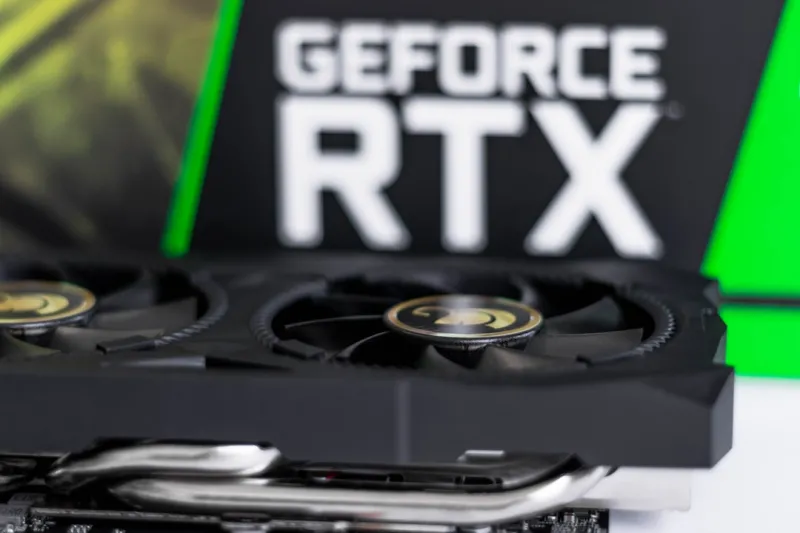
The GPU has officially dethroned the CPU as the primary engine for most heavy‑lifting tasks. In 2026, the line between “graphics” and “compute” is blurred; today’s RTX 6000‑class cards excel not only at rendering frames but also at accelerating neural network inference, scientific simulations, and even complex encryption workloads. What this means for a power user is twofold: first, you need a GPU with ample VRAM—at least 24 GB for most AI pipelines—to avoid bottlenecks when shuffling large tensors. Second, the architecture matters; the latest Ada‑Loveland cores prioritize tensor operations, delivering up to a 4× speedup over the previous generation for mixed‑precision tasks. Pairing that with a PCIe 5.0 x16 slot ensures you’re not throttled by bus bandwidth. Remember, a powerful GPU is only as good as the software stack that talks to it, so keep your drivers and SDKs up to date, and consider a secondary GPU for dedicated display output to keep the primary card focused on compute.
The Storage Hierarchy: SSDs, NVMe, and the Still‑Relevant HDD
SSD technology has matured to the point where sequential read/write speeds above 7 GB/s are commonplace, but the real game‑changer is the NVMe‑based PCIe 5.0 drive, which can push past 14 GB/s. For a power user, this translates to near‑instantaneous loading of massive datasets and virtually no waiting on compilation or rendering queues. However, the cost per terabyte for NVMe 5.0 is still premium, so a hybrid approach often makes the most sense. Use a lightning‑fast NVMe drive for OS, applications, and active project files, then allocate a larger SATA‑III SSD or, surprisingly, a high‑capacity hard drive for cold storage, backups, and archival media. The resilience and cost efficiency of modern 10 TB enterprise‑grade HDDs mean you can keep a “cold” tier that’s always on hand without breaking the bank. This tiered storage strategy maximizes performance while preserving budget—a principle that resonates across any serious workstation build.
Memory, Power Delivery, and Cooling—The Trifecta of Stability
While GPU and storage often steal the spotlight, RAM and power delivery are the unsung stabilizers of any high‑end rig. In 2026, DDR5‑5600 is the sweet spot for most power users, offering a balance between latency and bandwidth that keeps both CPUs and GPUs fed with data. If your workloads involve large in‑memory databases or extensive virtualization, consider a 64 GB (2 × 32 GB) or even 128 GB kit, ensuring you have headroom for future‑proofing. Power delivery has also taken a leap forward; 1000 W+ fully modular PSUs with 80 PLUS Titanium certification provide the clean, stable power needed for multi‑GPU setups and high‑draw CPUs. Coupled with a robust VRM cooling solution—often a combination of heatsinks and active fans—you’ll mitigate thermal throttling under sustained load. Don’t forget to allocate space for adequate case airflow; a well‑planned intake/exhaust layout with high‑static‑pressure fans can keep temperatures in the optimal 30‑45 °C range, preserving component lifespan and performance consistency.
Building an AI‑Ready Development Workstation
If your daily grind includes training transformer models or running large‑scale simulations, you need a workstation that’s purpose‑built for AI. That starts with a GPU optimized for tensor cores, as discussed, but also demands a CPU with enough PCIe lanes to support multiple high‑speed storage devices and networking cards. AMD’s Threadripper 9000 series, for instance, offers up to 128 PCIe 5.0 lanes, making it ideal for a “broadband” configuration where you attach two NVMe 5.0 drives, a 10 GbE NIC, and a dedicated AI accelerator card. Pair this with a motherboard that supports ECC memory if data integrity is paramount—particularly when working with financial models or scientific data. For a deeper dive into constructing such a machine, see our guide on the AI‑ready development workstation. The right combination of CPU, GPU, and fast storage ensures that you spend more time iterating on ideas and less time waiting on hardware bottlenecks.
Power‑User Upgrade Playbooks: Planning for Tomorrow
One of the biggest mistakes I see newcomers make is “buy everything now” without a clear upgrade path. In 2026, component obsolescence happens faster, but smart planning can extend a system’s relevance for five years or more. Start by choosing a chassis that supports ATX, E‑ATX, and even larger motherboards, plus room for additional drives and cooling solutions. Modular power supplies make swapping out higher‑wattage units painless when you add a second GPU later. When it comes to firmware, maintain a regular BIOS update schedule to unlock support for newer CPUs and memory kits—many boards now support “future‑proof” CPU sockets via micro‑code updates. For a step‑by‑step approach, reference our PC upgrade playbook, which walks you through everything from assessing current performance to budgeting for incremental upgrades without a full system rebuild.
Security, Zero‑Trust, and the Role of Hardware Encryption
Hardware security has become a non‑negotiable part of the power‑user toolkit. Modern CPUs embed a TPM 2.0 module and support full‑disk encryption (FDE) at the controller level, which means you can lock down data at rest without a noticeable performance penalty. When paired with a drive that offers self‑encrypting capabilities—many enterprise‑grade NVMe drives do this out of the box—you create a layered defense that aligns with zero‑trust principles. Additionally, consider a dedicated hardware security module (HSM) for cryptographic operations if you handle sensitive client data or proprietary algorithms. This hardware‑rooted approach not only protects against ransomware but also streamlines compliance with emerging data‑privacy regulations that are taking shape in 2026.
The Network Backbone: Why Speed Matters for Distributed Workflows
Even the most powerful workstation can be throttled by a weak network. With the rise of remote rendering farms and distributed AI training, a 10 GbE or even 40 GbE Ethernet connection is becoming the norm for serious power users. Investing in a quality NIC with offload capabilities reduces CPU overhead, allowing your system to focus on compute tasks rather than packet processing. If your environment supports it, enable RDMA (Remote Direct Memory Access) to cut latency when moving large datasets between storage nodes and your workstation. This network upgrade often yields a higher ROI than a marginal CPU bump because it accelerates data ingestion and model synchronization across multiple machines, a critical factor in modern collaborative workflows.
Putting It All Together: Your Blueprint for a Future‑Ready Rig
In summary, a 2026 power‑user workstation is a harmonious blend of a high‑end GPU with ample VRAM, tiered storage that balances NVMe speed with HDD capacity, and a robust memory and power delivery system that can sustain long‑duration workloads. Complement these with an AI‑centric CPU platform, proactive security hardware, and a high‑throughput network interface. By following the strategic upgrade pathways outlined in our PC upgrade playbook, you’ll avoid costly rebuilds and keep your rig competitive as software demands evolve. Remember, the goal isn’t just raw specs; it’s about creating a stable, secure, and scalable environment where your ideas can run at full throttle, day after day. With this blueprint, you’re not just building a machine—you’re crafting a long‑term partner for every ambitious project you’ll tackle in 2026 and beyond.