When I first cracked open a workstation back in the early 2020s, I never imagined the cascade of hardware revolutions that would define the power‑user landscape of 2026. Today, every component is a strategic decision point, and the line between “nice‑to‑have” and “must‑have” has blurred into a single, high‑stakes equation: performance + efficiency + future‑proofing. In my years of tinkering, writing, and consulting, I’ve learned that the most successful builds aren’t just about stacking the hottest specs; they’re about understanding how each part talks to the others. That’s why I’m diving deep into the current state of CPUs, GPUs, RAM, motherboards, and storage, weaving in the lessons I’ve gathered from countless late‑night debugging sessions. If you’re reading this, you’re probably hunting for that sweet spot where raw power meets reliability, and I’m here to hand you the map. Let’s peel back the layers, explore why certain components have surged in relevance, and pinpoint the exact upgrades that will keep your rig blazing through the next wave of AI‑driven workloads.
The CPU arena in 2026 feels like a high‑octane sprint where every manufacturer claims a new “breakthrough.” AMD’s Zen 4+ line has pushed clock speeds past 5 GHz while tightening power envelopes, and Intel’s 14‑nm “Meteor” cores have finally embraced hybrid designs that separate latency‑critical threads from bulk compute. For power users like us—who juggle real‑time video rendering, massive data sets, and AI model training—these hybrid architectures translate into tangible time savings. Core count matters, but efficiency matters more when you’re running workloads 24/7. The sweet spot right now sits at 24‑core processors with integrated AI accelerators that offload tensor operations, reducing reliance on separate GPUs for certain inference tasks. When you pair these CPUs with a robust cooling loop, you’ll notice a dramatic dip in throttling incidents, letting you push sustained workloads that were previously only achievable in data‑center environments.
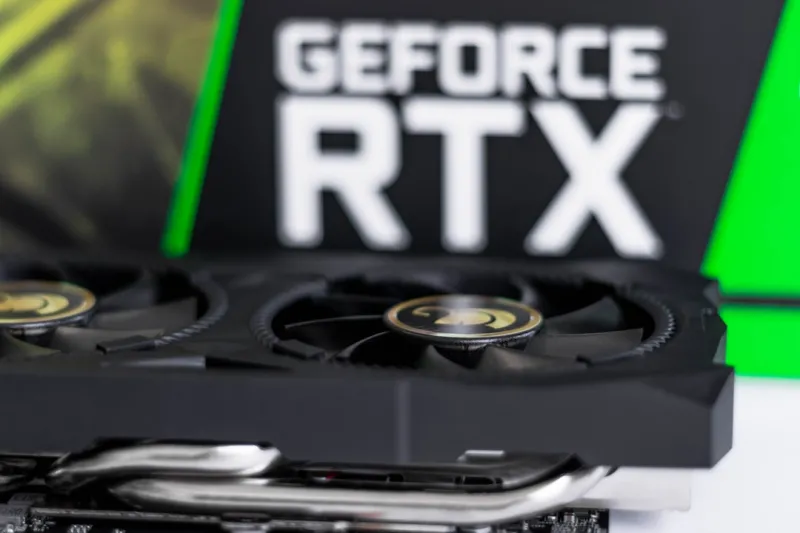
Speaking of GPUs, the landscape has shifted from sheer rasterization power to a hybrid of graphics and compute. NVIDIA’s “Ada‑Luxe” series and AMD’s “Radeon X” lineup both champion dedicated ray‑tracing cores and on‑board AI tensor engines, but the real game‑changer is the adoption of PCIe 5.0 ×16 lanes across mainstream motherboards. This bandwidth surge lets you feed a GPU with data at a rate that was once exclusive to NVMe 4.0 SSDs. In practice, this means smoother 8K video editing, near‑instant texture streaming for VR, and AI‑assisted development pipelines that can crunch through models without choking on data transfer bottlenecks. However, don’t ignore power consumption: modern cards can draw upwards of 450 W under load, so pairing them with a high‑efficiency 1000 W PSU and a well‑designed airflow strategy is non‑negotiable for a stable, long‑lasting rig.
RAM has become the unsung hero—or villain—of the modern workstation. DDR6 6000 MT/s modules are finally mainstream, offering double the bandwidth of their DDR5 predecessors, but with that speed comes a heightened sensitivity to timing and signal integrity. I’ve seen too many builds crumble under the weight of mismatched kits, leading to the dreaded “random crash” syndrome that even seasoned users can’t ignore. If you’re experiencing inexplicable reboots, I highly recommend checking out Why Your RAM Keeps Crashing and How to Fix It for a diagnostic checklist. In 2026, the sweet spot for power users is 64 GB of DDR6 with CAS latency in the low‑20s, balanced across a quad‑channel configuration to maximize both capacity and throughput. Remember, more isn’t always better; the key is harmonizing frequency, latency, and motherboard support to keep your system’s memory subsystem humming without hiccups.
Motherboards have evolved from simple expansion platforms into the central nervous system of any high‑performance build. The rise of PCIe 5.0, integrated AI accelerators, and advanced power delivery circuits means that the board you choose dictates the ceiling of your entire system. I’ve spent countless hours comparing chipset generations, and the consensus among power users is that the new “X‑Series” boards from both AMD and Intel provide the most robust VRM designs, ample M.2 slots, and native support for DDR6. For a deeper dive into why the motherboard matters now more than ever, see Why Motherboards Matter More Than Ever for Power Users. A well‑chosen board not only ensures stable power to your CPU and GPU but also offers future‑proof lanes for upcoming storage and networking standards, reducing the need for a complete overhaul every two years.
Storage is where the myth of “SSD‑only” rigs meets reality. While NVMe 4.0 and the emerging NVMe 5.0 drives deliver blistering sequential read/write speeds, there’s still a niche—and surprisingly vital—role for high‑capacity hard drives in 2026. Large‑scale video archives, raw sensor data, and AI training sets can easily exceed several terabytes, and spinning disks remain the most cost‑effective way to store that bulk without sacrificing reliability. Check out Why Modern Hard Drives Remain a Power‑User Essential for a breakdown of the latest 10 TB and 16 TB models that combine low latency caching with multi‑platters for durability. Pair a fast NVMe boot drive (1‑2 TB) with a multi‑TB HDD array, and you’ll enjoy lightning‑quick OS responsiveness while keeping archival storage budgets in check—a balance that many power users overlook in the race for speed.
Power delivery and cooling are the twin pillars that keep a high‑end system from self‑destructing under load. In 2026, 80 PLUS Platinum PSUs are no longer a luxury but a baseline requirement for rigs that push 1500 W total draw, especially when you factor in multiple GPUs, a high‑core‑count CPU, and a dense storage matrix. Meanwhile, cooling solutions have diversified: all‑in‑one liquid coolers now offer 240 mm radiators with vapor‑chamber technology, and custom loops have become more modular, allowing you to incorporate GPU blocks, VRM cooling, and even RAM coolers. Investing in a well‑designed airflow layout—intake at the front, exhaust at the top and rear—combined with a high‑CFM fan setup can lower component temps by 10‑15 °C, extending hardware lifespan and maintaining performance headroom for future upgrades.
Putting it all together, building a future‑ready workstation in 2026 is about more than just chasing the highest numbers; it’s about orchestrating each component to complement the others. My go‑to blueprint starts with a 24‑core Zen 4+ CPU on a high‑end X‑Series motherboard, 64 GB of DDR6 RAM, a dual‑GPU configuration featuring the latest Ada‑Luxe and Radeon X cards, a 2 TB NVMe 5.0 boot drive, and a 12 TB NAS‑grade HDD array for archival needs. Wrap that in a 1000 W Platinum PSU, a 360 mm custom liquid loop, and you’ve got a machine that will stay performant for the next five to seven years. If you’re looking for a step‑by‑step guide, the article Building a Future‑Ready Power‑User PC in 2026 walks you through each decision point, from part selection to cable management. Embrace this holistic approach, and you’ll not only crush today’s workloads but also stay ahead of the curve as AI, real‑time rendering, and data‑intensive applications continue to evolve.