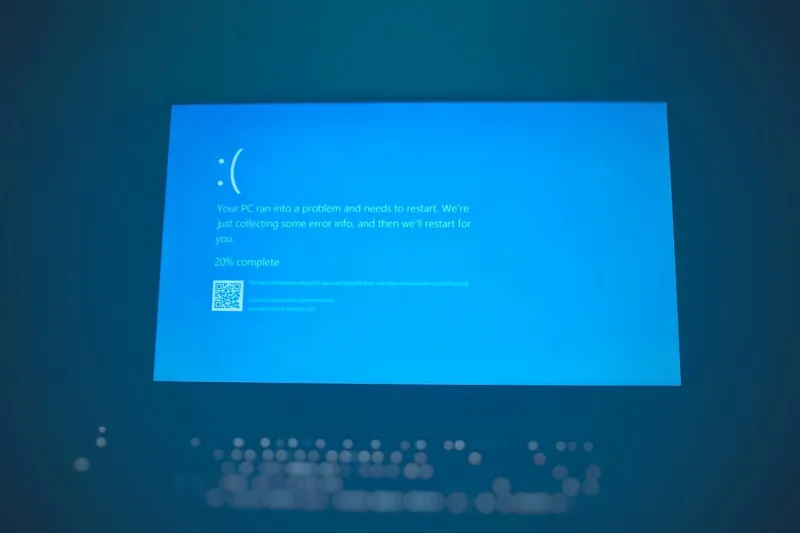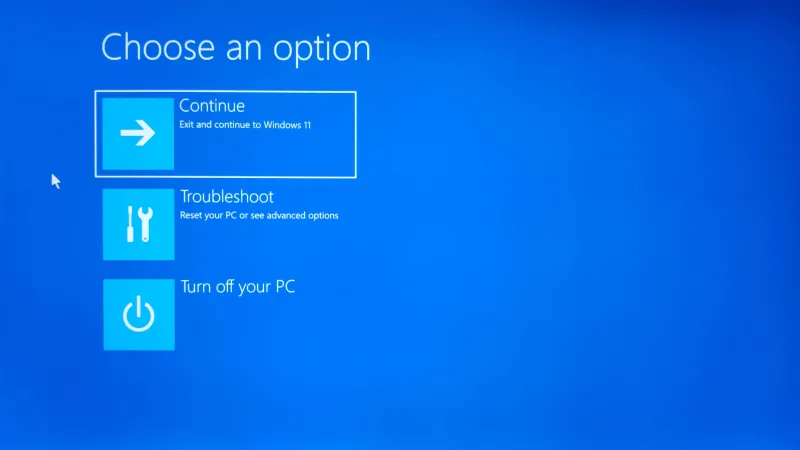
Ever since I first booted up a clunky Windows 95 box, the dreaded blue screen has been a silent, flashing reminder that even the most polished operating system can throw a tantrum. In 2026, you’d think AI‑driven diagnostics would have banished the BSOD to the archives, yet the “Blue Screen of Death” still shows up like an uninvited guest at a tech party. For a power‑user like me, each crash is not just an annoyance—it’s a puzzle, a chance to sharpen my troubleshooting muscles, and an opportunity to turn a moment of panic into a teaching moment for the community. I’ve logged countless crash dumps, annotated error codes, and built a personal “blue‑screen playbook” that now lives in the cloud. In this post, I’ll walk you through the most common triggers, the exact tools I rely on, and a systematic, step‑by‑step process that turns a terrifying blue flash into a controlled, data‑driven recovery—so you can stay productive, even when Windows decides to throw a fit.
Why Blue Screens Still Matter in 2026
Even with the most recent hardware and the AI‑enhanced stability layers baked into Windows 11, blue screens persist because they are the OS’s way of protecting your system from catastrophic damage. The most frequent culprits this year are rogue drivers that haven’t been vetted against the latest kernel changes, mismatched firmware updates, and memory modules that can’t keep up with the relentless bandwidth demands of modern AI workloads. In many cases, the culprit is a recent Windows update that unintentionally introduces a conflict—a scenario that underscores the importance of staying on top of the Essential 2026 Updates Every Power User Must Master. By treating each blue screen as a signal rather than a failure, you can isolate the exact change that triggered the crash, roll it back, and keep your workflow humming without having to resort to a full system reinstall.
The Power‑User Playbook for BSOD Recovery
The first thing I do when a blue screen erupts is to capture the crash dump before Windows overwrites it. Enabling “Automatic Memory Dump” in System Settings ensures a full snapshot lands in C:\Windows\Minidump. From there, I fire up WinDbg (the free Windows Debugger) and load the dump file with the !analyze -v command. The output pinpoints the offending driver or subsystem, and the STOP code becomes my breadcrumb trail. Next, I cross‑reference the error with the online Why Every Blue Screen Is a Hidden Power‑User Opportunity article to see if there’s a known issue or a community‑verified workaround. I also check the Event Viewer for any “Kernel‑Power” warnings that preceded the crash, because they often reveal power‑delivery problems that aren’t obvious from the dump alone.
With the culprit identified, I move to the remediation phase. If the problem is a driver, I use Device Manager to roll back to a previous version or download the latest signed driver directly from the OEM’s site. For firmware-related issues, I flash the BIOS using the manufacturer’s utility, making sure to disable “Fast Boot” temporarily so that the system can fully initialize hardware checks. When memory is suspect, I run the built‑in Windows Memory Diagnostic and, if needed, swap out the suspect DIMM for a known‑good module. This systematic approach—dump capture, analysis, cross‑reference, and targeted rollback—has saved me countless hours of re‑imaging and data recovery.
Memory and Motherboard: The Silent Saboteurs
RAM failures have surged in 2026 as developers push systems to handle larger AI models, and the pressure can expose marginal defects that would have gone unnoticed in lighter workloads. When a blue screen consistently shows the MEMORY_MANAGEMENT or PAGE_FAULT_IN_NONPAGED_AREA STOP codes, I know the memory stack is the primary suspect. A quick run of the Windows Memory Diagnostic can confirm whether the fault is hardware or software. If the test flags errors, I consult the Mastering RAM Troubleshooting: A Power‑User’s Guide for detailed swapping and reseating procedures, and I verify that the BIOS memory timings match the manufacturer’s specifications. Equally important is the motherboard’s health. Faulty power delivery or failing capacitors can cause intermittent voltage drops that manifest as blue screens. I use a multimeter and the motherboard’s built‑in health sensors to monitor voltage rails, and I keep an eye on the Motherboard Troubleshooting Playbook for a checklist that includes BIOS reset, CMOS battery replacement, and checking for bent CPU pins after an upgrade.
Driver Signing, Rollbacks, and Windows Insider Tips
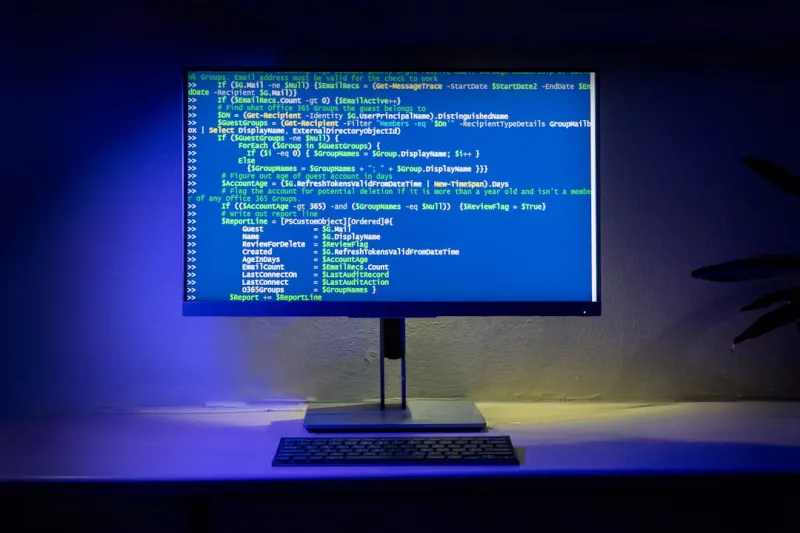
Microsoft’s driver signing enforcement has gotten stricter, but that hasn’t stopped rogue drivers from slipping through the cracks—especially those bundled with third‑party peripherals. When I see a STOP code like DRIVER_IRQL_NOT_LESS_OR_EQUAL, my first instinct is to open Device Manager, enable “Show hidden devices,” and sort by driver date. The most recent driver installations often correlate with the crash timeline. If a driver appears suspicious, I right‑click and select “Roll back driver.” For deeper dives, I enable Windows Insider “Fast Ring” to get early access to the latest compatibility patches, but I always keep a stable release on hand for fallback. Additionally, the Unlock Windows 11 Insider Tips guide offers a handful of PowerShell scripts that can automate driver inventory exports, making it easier to compare versions across multiple machines in a lab environment.
Preventive Maintenance: Keeping the Blue Screen at Bay
Prevention, as they say, is better than cure. In my daily routine, I schedule a weekly “system health sprint” where I run sfc /scannow and DISM /Online /Cleanup‑Image /RestoreHealth to verify system file integrity. I also use the built‑in Windows Update “Pause Updates” feature to delay non‑critical patches until I’ve vetted them on a test rig. Regular driver housekeeping—removing unused legacy drivers and updating graphics stacks—keeps the kernel clean. On the hardware side, I keep the interior of my PC dust‑free, replace thermal paste annually, and use a UPS to shield against power spikes that could corrupt the memory controller. By coupling these habits with a robust backup strategy—leveraging both cloud snapshots and local Veeam backups—I ensure that even if a blue screen does strike, I can roll back to a known‑good state within minutes rather than hours.
When to Call in the Pros
There comes a point when even a seasoned power‑user must admit defeat. If a blue screen persists after driver rollbacks, BIOS updates, and memory swaps, the issue may lie in the CPU’s integrated controller or a subtle motherboard fault that requires specialized testing equipment. In such cases, I recommend contacting the system manufacturer’s support line, especially if the device is still under warranty. They can run diagnostic firmware that accesses low‑level logs unavailable to standard tools. For custom builds, a reputable local repair shop with an oscilloscope can check for voltage irregularities that cause intermittent crashes. Remember, chasing a phantom bug for days can cost more in lost productivity than a simple component replacement, so weigh the time investment against the value of your data and workflow continuity.
Turning Each Crash Into a Learning Opportunity
Every blue screen is a hidden lesson in system architecture, and the best power‑users treat each incident as a mini‑case study. I document every crash in a personal knowledge base, tagging it with the STOP code, hardware configuration, recent changes, and the resolution steps taken. Over time, this repository becomes a rapid reference guide that can shave minutes—or even hours—off future troubleshooting. I also share the most compelling cases on the Comp Doc blog, linking back to resources like Why Every Blue Screen Is a Hidden Power‑User Opportunity to help fellow enthusiasts learn from my experience. By embracing the blue screen as a catalyst for growth rather than a setback, you’ll not only keep your machines running smoother but also elevate your own technical confidence in a world where every click matters.