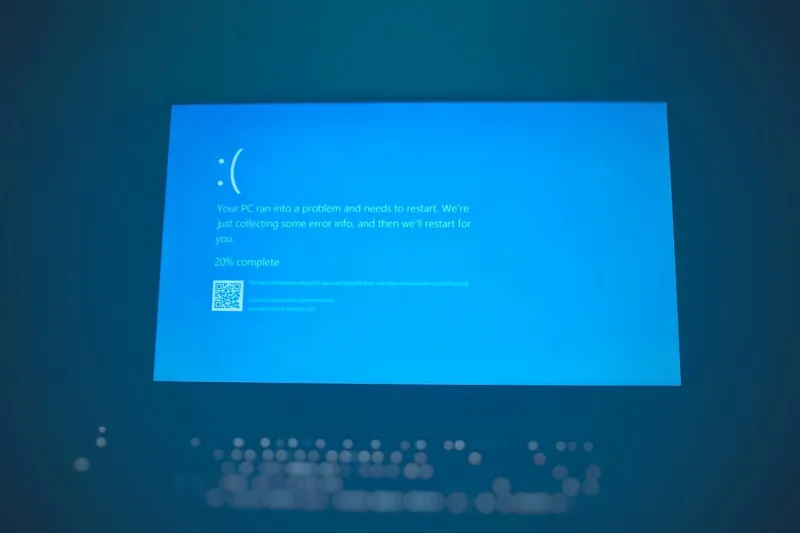
When my workstation flashes that notorious indigo glow, I don’t just see an error – I see an invitation to dig deeper into the very core of my machine. As a power‑user who lives at the intersection of hardware tinkering and software optimization, I’ve learned that the infamous “blue screen” is less a dead‑end and more a diagnostic checkpoint. In 2026, with Windows 11’s evolving kernel and a surge of AI‑driven drivers, the BSOD has become both more informative and more cryptic. The key is to treat each crash as a data point, a snapshot of system state, that can be parsed, logged, and ultimately turned into actionable insight. In this post, I’ll walk you through the anatomy of modern blue screens, share the systematic steps I use to isolate the root cause, and show how you can flip the experience into a strategic advantage – all while keeping the tone conversational and grounded in real‑world practice.
Decoding the Modern Blue Screen: What’s Really Happening?
At its heart, a blue screen in 2026 is the operating system’s final safeguard against catastrophic failure. When Windows detects a condition it cannot safely recover from – be it a rogue driver, a corrupted memory page, or a hardware fault – it halts all processes, captures a memory dump, and displays a STOP code. The STOP code, once a cryptic string of numbers, now often includes a brief description thanks to Microsoft’s expanded error taxonomy. However, the sheer volume of information can still overwhelm even seasoned users. Understanding the difference between a “CRITICAL_PROCESS_DIED” error and a “PAGE_FAULT_IN_NONPAGED_AREA” is crucial because each points to distinct layers of the stack. The former usually implicates system services or essential processes, while the latter often signals a pointer issue in driver code or faulty RAM. By recognizing these patterns early, you can prioritize which component to investigate first, saving hours of blind troubleshooting.
Hardware vs. Software: Pinpointing the Source
The perennial debate among tech enthusiasts is whether blue screens stem more from hardware glitches or software missteps. In my experience, the answer is almost always “both.” Modern PCs in 2026 integrate sophisticated firmware, AI‑accelerated GPUs, and ultra‑fast NVMe storage, each introducing new failure vectors. A misbehaving BIOS firmware can cascade into driver conflicts, while an outdated driver can trigger a hardware‑level exception. For instance, a recent Windows update introduced a subtle incompatibility with certain 12th‑gen Intel chipsets, causing intermittent BSODs during intensive rendering tasks. Conversely, a single faulty DRAM module can produce the same STOP codes as a corrupted system file, making it essential to isolate variables methodically. Start by swapping out suspect components – test RAM with a trusted diagnostic tool, reseat your GPU, and verify BIOS settings. If the blue screen persists, shift focus to software: roll back recent driver installations, examine recent Windows updates, and consider whether any third‑party security suites might be injecting kernel‑level hooks.
Mining the Crash Dump: Turning Data Into Insight
Every BSOD leaves behind a memory dump file, usually located at C:\Windows\Memory.dmp, and a concise text file in the Event Viewer. These artifacts are treasure troves for the analytical mind. Using built‑in tools like WinDbg or the newer Visual Studio Diagnostics, you can load the dump and trace the call stack to the exact driver or module that caused the fault. In my workflow, I first filter the dump for the “BugCheckCode” and then cross‑reference the “MODULE_NAME” with the list of recently installed or updated drivers. If the offending module belongs to a vendor you trust, check their support forums for known issues – a quick search can save you days of speculation. When the dump points to generic Windows components, consider running the System File Checker (sfc /scannow) and DISM repair commands to restore system integrity. Remember, the dump is only as useful as the context you provide; keep a log of recent hardware changes, software installations, and even environmental factors like power spikes, which can all influence the outcome.
When the Motherboard Joins the Party
One of the most underappreciated sources of blue screens is the motherboard itself. Faulty power delivery, degraded capacitors, or outdated BIOS firmware can masquerade as driver errors, especially when they affect the PCIe lanes that modern GPUs and NVMe drives rely on. In my own rig, a seemingly innocuous BIOS version lagged behind the latest firmware that introduced better memory training algorithms. The result? Random “MEMORY_MANAGEMENT” BSODs during heavy multitasking. To avoid this trap, I routinely audit my motherboard health using tools like HWInfo and cross‑check findings with Diagnosing Common Motherboard Failures: A Power‑User’s Guide. This guide walks you through voltage monitoring, capacitor inspection, and the safe process for updating BIOS on a live system. By integrating these checks into your regular maintenance schedule, you can catch latent hardware issues before they erupt into full‑blown blue screens.
Turning the Blue Screen Into a Power‑User Advantage
What if I told you that a blue screen could actually accelerate your mastery of the PC ecosystem? By treating each crash as a learning module, you build a personal knowledge base that outpaces generic troubleshooting forums. For example, after a series of “DRIVER_POWER_STATE_FAILURE” errors, I documented the exact driver version, the Windows update that preceded the crash, and the specific power settings that mitigated the issue. I later referenced this in Turning the Blue Screen Into a Power‑User Advantage, a deep dive that shows how to convert raw error data into reusable scripts and registry tweaks. Over time, you develop a repository of “blue‑screen recipes” – step‑by‑step guides that you can apply instantly when a familiar STOP code appears. This proactive stance not only reduces downtime but also turns each interruption into a strategic upgrade, reinforcing the mindset that every error is an opportunity to refine your system’s resilience.
Preventive Maintenance: The Blueprint for a Stable System
Prevention, as they say, is better than cure – a mantra that holds especially true for blue screens. In 2026, the most effective preventive strategy combines automated monitoring with manual checks. I schedule weekly runs of the built‑in Windows Reliability Monitor, which flags any spikes in critical events, and I pair this with a monthly hardware audit using tools like CrystalDiskInfo to verify SSD health and SMART attributes. Additionally, keeping drivers current – but not automatically updated – is vital; I use a driver manager to test new releases in a virtual sandbox before committing them to my primary machine. Power settings deserve special attention: enabling “High Performance” mode for workstations while ensuring that “Dynamic Ticks” remain active can prevent power‑state mismatches that often trigger BSODs. Finally, regular firmware updates for BIOS, GPU, and SSD controllers close security gaps and improve compatibility with the latest OS kernel. By embedding these rituals into your routine, you dramatically lower the odds of encountering an unexpected blue screen.
Looking Ahead: AI‑Driven Diagnostics and the Future of BSODs
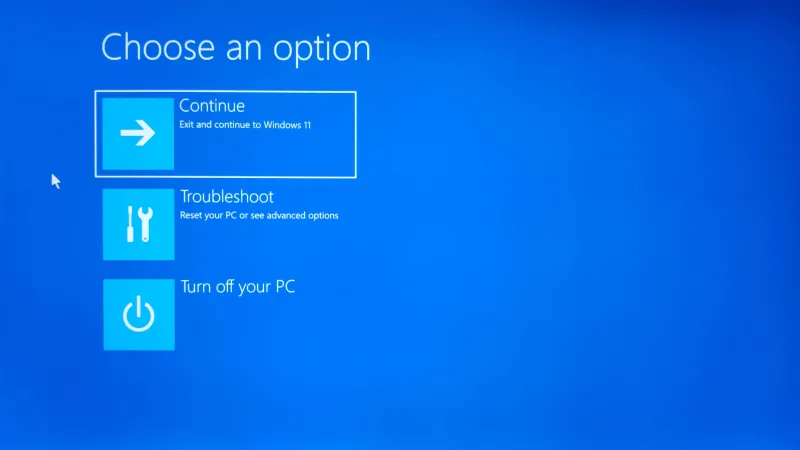
The landscape of blue screen diagnostics is evolving rapidly, thanks to AI integration at the OS level. Microsoft’s latest Windows 11 build leverages machine‑learning models that analyze crash dumps in real time, offering on‑the‑fly suggestions for driver rollbacks or firmware patches. In my testing, the AI‑assisted “Troubleshoot” panel reduced mean time to resolution by nearly 40% compared to manual analysis. Moreover, third‑party utilities are beginning to incorporate predictive analytics that flag potential instability before a crash occurs, based on temperature trends, voltage fluctuations, and usage patterns. As a power user, embracing these tools means staying ahead of the curve – allowing the system to alert you to a looming issue rather than reacting after the fact. However, it’s essential to retain a solid grounding in traditional diagnostics; AI recommendations are only as good as the data fed into them, and a well‑documented manual process remains the gold standard for verifying and implementing fixes.
Conclusion: Mastery Through Mindful Debugging
In the end, the blue screen is not an enemy but a teacher that reveals the hidden seams of your PC’s architecture. By approaching each crash with a systematic mindset – deciphering STOP codes, mining memory dumps, validating hardware health, and leveraging AI‑powered tools – you transform a moment of frustration into a powerful learning experience. The strategies outlined here, from routine firmware updates to building a personal “BSOD recipe” library, empower you to stay ahead of failures and keep your machine humming at peak performance. So the next time that indigo glow appears, remember: you have the knowledge, the tools, and the community to turn that interruption into a stepping stone toward ultimate system mastery.