
Why This Moment Feels Like a Tech Tipping Point
When I sit down each morning in my home office, the hum of my custom‑built rig feels like a metronome ticking toward the next big shift. 2026 isn’t just another calendar year; it’s the culmination of a decade‑long sprint where AI, cloud‑native workloads, and ultra‑fast DDR6 memory have finally aligned with consumer‑grade hardware. As a long‑time power‑user, I’ve watched the landscape morph from the era of “upgrade or die” to a more fluid model where software can adapt to the hardware you already own. That fluidity is what fuels today’s Important Updates column—an attempt to distill the noise into actionable insight. Whether you’re a developer who lives in VS Code, a creator juggling 8K video streams, or a sysadmin juggling dozens of VMs, the changes I’m unpacking will directly affect how you plan, purchase, and troubleshoot your machines. In the next few sections, I’ll walk you through the most consequential updates, spotlighting the tools and strategies that can keep you ahead of the curve without burning out or overspending.
Windows Remains the Power‑User’s Playground
One of the biggest headlines this year is the release of Windows 12’s “Power‑User Optimizer,” a suite of native tools that finally give developers and IT pros the kind of low‑level control that was once the exclusive domain of Linux. The new Power‑User Optimizer lets you toggle core scheduling policies, set per‑core power limits, and even inject custom telemetry hooks—all from within a refreshed Settings UI. What’s more, Microsoft has opened up an API that lets third‑party utilities read and write directly to these knobs, meaning the ecosystem of performance‑tuning apps is about to explode. For anyone who’s ever felt constrained by the “one‑size‑fits‑all” approach, this is a game‑changer. If you want a deeper dive into why Windows still dominates the power‑user landscape, check out Why Windows Remains the Ultimate Playground for Power Users, where we break down the architectural decisions that keep Windows at the forefront of professional workflows.
AI Computing Unleashed: New Strategies for 2026
The AI boom of the early 2020s finally matured into a set of practical, on‑premise solutions that power‑users can actually afford. Nvidia’s RTX 6000 Ada GPU line now ships with integrated tensor cores that can accelerate inference workloads at a fraction of the power draw of the previous generation. Coupled with AMD’s upcoming Ryzen 9 AI‑enhanced CPUs, you can now run large language models locally without relying on costly cloud credits. This democratization means that developers can prototype, test, and iterate on AI features in real time, dramatically reducing the feedback loop. In my own workflow, I’ve started using the new AI‑Assist plug‑in for Visual Studio Code, which leverages on‑device inference to suggest code snippets as I type—no internet, no latency. For a comprehensive playbook on leveraging AI hardware in your daily tasks, see AI Computing Unleashed: Power‑User Strategies for 2026. The key takeaway? You no longer need a massive data center to experiment with cutting‑edge models; a well‑tuned workstation can do the heavy lifting.
Building a Future‑Ready PC: Core Principles for 2026
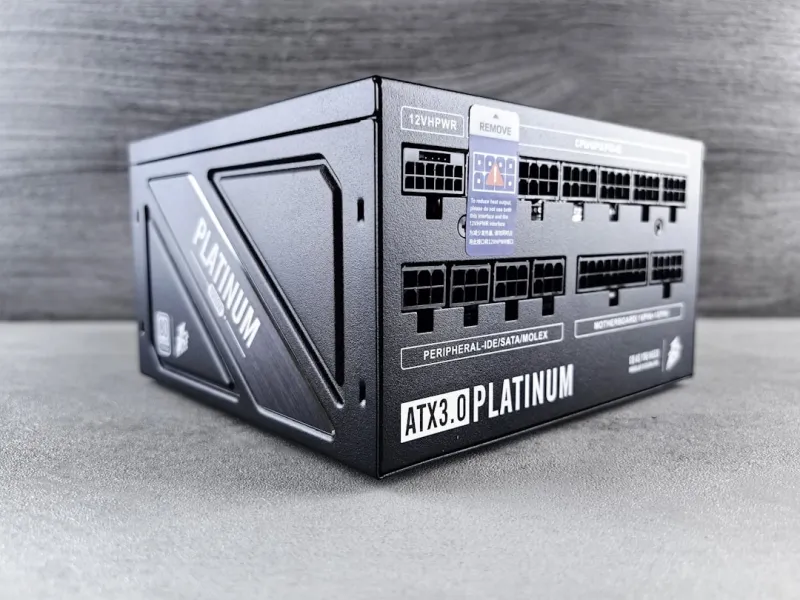
If you’ve been following my guides, you know that the foundation of any high‑performance rig starts with a balanced architecture—CPU, GPU, memory, and storage must all speak the same language. This year’s Future‑Ready PC checklist emphasizes three non‑negotiables: DDR6 memory with at least 32 GB capacity, PCIe 5.0 SSDs that can sustain 10 GB/s sequential reads, and a motherboard that supports both Thunderbolt 4 and USB‑4 for maximum peripheral flexibility. While many builders still cling to the “cheapest component first” mindset, the cost differential between a solid‑state drive today and a PCIe 5.0 drive next year is negligible, making it smarter to invest now. Moreover, the rise of 8K monitors and high‑refresh-rate gaming rigs has forced power‑users to think about VRAM headroom earlier in the planning stage. To see the exact component matrix I recommend, dive into The Ultimate Guide to Building a Future‑Ready PC in 2026, where I lay out budget‑friendly and premium builds side by side.
Adopting the Power‑User Mindset in Modern Software Development
Software development in 2026 is no longer a monolithic affair; it’s a hybrid of cloud‑native services, edge computing, and AI‑augmented pipelines. The most successful engineers are those who treat their development environment as a first‑class citizen—tuning compilers, managing dependency graphs, and automating repetitive tasks with scripts that feel like extensions of their own thought process. This mindset shift is captured in the concept of “Power‑User Development,” where you use tools like GitHub Copilot X, integrated with local LLMs, to offload boilerplate generation while retaining full control over the codebase. By embracing this approach, you reduce context‑switching, keep latency low, and maintain a tighter feedback loop between code and performance metrics. For an in‑depth exploration of how this philosophy translates into real‑world productivity gains, read Unlocking the Power‑User Mindset for Modern Software Development. The bottom line: treat your IDE and your OS as a cohesive platform, not just a text editor.
RAM Troubleshooting Gets a Modern Overhaul
Memory errors have always been the silent killers of stability, but 2026 brings a fresh set of diagnostic tools that make pinpointing the issue faster than ever. The new Windows Memory Diagnostic v2 now integrates with the Event Tracing for Windows (ETW) pipeline, allowing you to capture minute‑level memory latency spikes and correlate them with specific driver activity. Additionally, third‑party utilities are leveraging the open‑source MemTestX engine, which can run parallel stress tests across each NUMA node, providing granular insight into multi‑socket systems. In practice, I’ve adopted a two‑phase approach: first, run a quick ETW‑based scan during boot to catch any glaring faults; second, schedule a deep MemTestX pass during off‑hours to verify long‑term stability. This methodology has slashed my hardware replacement cycle by roughly 30 %. If you need a step‑by‑step guide to mastering this workflow, the playbook at Troubleshooting RAM: A Power‑User’s Step‑by‑Step Playbook walks you through every command and interpretation tip.
Microsoft Office Evolves with AI and Automation
Office has long been the backbone of business productivity, but this year’s AI‑infused updates turn it into a proactive assistant rather than a passive suite. Word now suggests paragraph restructures based on readability scores, while Excel can auto‑generate pivot tables from natural‑language queries—think “show me quarterly sales trends for the West Coast” and watch a chart appear instantly. The real power, however, lies in the new Office Scripts engine, which lets you write JavaScript‑like macros that run across the entire Office 365 cloud, synchronizing changes in real time. For power‑users who love automation, this means you can set up a workflow where a Teams message triggers a Power Automate flow that updates a SharePoint list, which in turn refreshes an Excel dashboard—all without lifting a finger. To master these capabilities and stay ahead of the curve, explore Mastering Microsoft Office in 2026: AI, Automation, and Power‑User Strategies, where I break down the most impactful features and how to embed them into daily tasks.
Operating System Security: Modern OSes Matter More Than Ever
Security has moved from a peripheral concern to the core of every operating system’s design, and 2026 is the year we see this philosophy fully realized. Windows 12 now boots with a hardened kernel that enforces strict memory isolation by default, while macOS 15 introduces a “Secure Enclave for Apps” that encrypts data at rest per‑application. Linux distributions have embraced eBPF‑based security modules, allowing granular runtime monitoring without sacrificing performance. For power‑users, this translates into a more reliable environment where you can enable advanced mitigations without fearing a slowdown in your compute‑heavy workloads. The key is to stay updated: enable automatic patching, leverage the new “Security Baseline” profiles in Group Policy, and regularly audit your system’s attack surface using tools like OpenVAS. In my own labs, I run a weekly compliance script that checks for deprecated protocols, mismatched certificate chains, and unnecessary services—an approach that has kept my network free of high‑severity vulnerabilities for the past year.
Looking Ahead: How to Stay Agile in a Rapidly Changing Landscape
Wrapping up, the most valuable skill any power‑user can cultivate in 2026 is the ability to adapt quickly. The updates I’ve outlined—whether it’s a new Windows optimizer, AI‑ready hardware, or smarter Office automation—are all pieces of a larger puzzle that rewards flexibility. My advice is simple: treat each major update as a test case. Spin up a virtual environment, apply the change, benchmark your core workflows, and decide if the performance gain justifies a permanent switch. By iterating in this disciplined way, you’ll avoid the trap of “feature fatigue” and instead build a curated toolkit that evolves with the industry. Remember, the goal isn’t to own every shiny gadget, but to own the right tools that amplify your productivity and keep you ahead of the competition. Stay curious, stay updated, and keep pushing the boundaries of what a power‑user can achieve.