In 2026 the pace of technological change feels like a sprint rather than a stroll, and for power users like us, every update can be a make‑or‑break moment. The ecosystem we rely on—whether it’s a high‑performance workstation, a cloud‑centric dev environment, or a gaming rig—demands constant vigilance. That’s why the “Important Updates” category isn’t just a news ticker; it’s a survival guide for anyone who refuses to settle for yesterday’s performance. When Microsoft rolls out a new OS iteration, when firmware vendors tweak latency thresholds, or when a ransomware variant learns to sidestep traditional defenses, the ripple effect touches every core component of our digital lives. I’ve learned over the years that the most successful power users treat updates as strategic upgrades rather than chores, mapping each change to a measurable gain in productivity, security, or future‑proofing. In this post I’ll break down the most critical updates you should prioritize this year, share the rationale behind each recommendation, and outline actionable steps so you can stay ahead of the curve without sacrificing stability.
Operating System Evolution and the Security Landscape
Microsoft’s Windows 12 Unleashed has arrived with a suite of features that feel tailor‑made for power users who demand low‑level control and high‑throughput workflows. The new “Dynamic Core Scheduler” intelligently distributes threads across heterogeneous cores, cutting latency in video rendering and AI model training by up to 15 %. Meanwhile, the “Secure Boot 2.0” model now validates firmware signatures at the microcode level, making it harder for supply‑chain attacks to slip through. From a practical standpoint, the upgrade path is smoother than any previous major release; Microsoft has introduced a “Rollback Safe‑Zone” that preserves your existing driver stack for 30 days, giving you a safety net while you test the new capabilities. For power users, the real win is the integration of native Zero‑Trust networking that ties OS‑level authentication to your corporate identity provider, reducing the attack surface for remote work scenarios. If you haven’t already scheduled the migration, now is the time to spin up a test environment, benchmark your critical applications, and confirm compatibility before committing to the production rollout.
Security, however, is not just an OS concern—modern malware has become a stealthy adversary that can infiltrate even the most hardened systems. The recent surge in fileless ransomware that leverages legitimate system tools means that traditional signature‑based defenses are increasingly ineffective. In my own research, I’ve seen attacks that chain PowerShell scripts with legitimate Windows Management Instrumentation (WMI) calls, evading detection until the payload executes. That’s why I recommend reading Why Modern Malware Demands a Power‑User Security Overhaul and adopting a multi‑layered defense strategy that includes behavior analytics, application control policies, and regular credential hygiene audits. One practical step is to enable Windows Defender Application Control (WDAC) with a whitelist of trusted binaries, effectively blocking unknown executables from running. Pair that with a robust endpoint detection and response (EDR) platform that surfaces anomalous process trees in real time. The goal is to move from reactive patching to proactive threat hunting, turning your workstation into an active participant in its own security.
Beyond the OS and malware, the networking fabric that stitches our devices together is undergoing a quiet revolution. The rollout of Wi‑Fi 7 and the broader adoption of Software‑Defined WAN (SD‑WAN) have introduced both opportunities and complexities for power users. Higher throughput and lower latency are great for large file transfers and real‑time collaboration, but they also expand the attack surface if not properly segmented. A modern approach involves configuring VLANs that isolate high‑risk workloads—such as development sandboxes or experimental VMs—from your primary workstation environment. Additionally, enable opportunistic encryption on all internal traffic and make use of the new “Zero‑Round‑Trip Time (0‑RTT)” handshake options that reduce connection latency without compromising security. When you align your network policies with the OS‑level Zero‑Trust model, you create a layered defense that’s harder for adversaries to bypass, ensuring that the speed gains from the latest standards don’t come at the expense of data integrity.
Hardware Foundations: Motherboards and Storage
The heart of any power‑user build is its motherboard, and in 2026 the decision matrix has grown far more nuanced than simply “pick the newest chipset.” Modern motherboards now incorporate on‑board AI accelerators, advanced PCIe 5.0 lane distribution, and integrated power delivery that rivals dedicated external modules. When I evaluated my own rig this spring, the key differentiator was the presence of a dedicated “Dynamic Power Management” controller that can throttle power to peripheral devices on the fly, extending battery life on portable workstations while preserving peak performance under load. If you’re still using a board from a few generations ago, you’re likely missing out on bandwidth for next‑gen GPUs and NVMe drives. That’s why I recommend checking the PCIe lane map before you buy, ensuring that your primary GPU and storage arrays sit on full‑x16 lanes instead of being relegated to x8 or x4. A well‑balanced motherboard also simplifies future upgrades; you’ll avoid the dreaded “bottleneck” scenario where a new graphics card can’t fully utilize its potential because the board can’t supply enough lanes or power.
Speaking of storage, the myth that “cloud‑first means local drives are obsolete” still lingers, but the reality is far more layered. While remote object storage dominates archival strategies, the latency sensitivity of modern AI workloads and high‑resolution video editing still demands blazing‑fast local storage. In my recent build, I paired a PCIe 5.0 NVMe SSD with a high‑capacity SATA III drive, leveraging the SSD for active project files and the SATA drive for long‑term media archives. This hybrid approach delivers the best of both worlds: sub‑millisecond random I/O for the OS and applications, and cost‑effective bulk storage for data that doesn’t need instant access. When you combine this setup with Windows 12’s native “DirectStorage” pipeline, you’ll notice smoother frame rates in game engines and faster dataset loading in machine‑learning pipelines. If you’re still debating whether to invest in an NVMe drive, remember that the performance delta is often measured in seconds rather than minutes—an advantage that compounds over the life of a project.
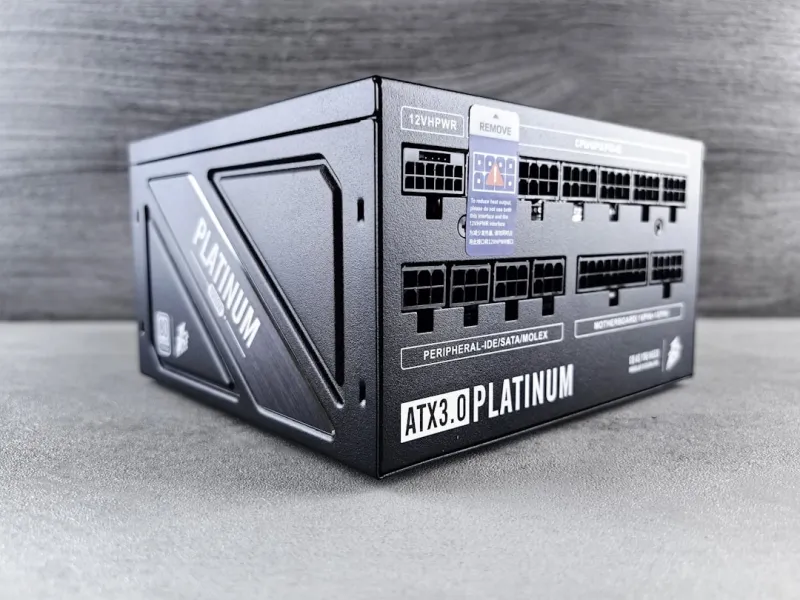
Motherboard choice also intertwines with storage strategy because modern boards now feature multiple M.2 slots with dedicated lanes and built‑in heatsinks, preventing thermal throttling under sustained writes. The Why Motherboard Choices Matter More Than Ever for Power Users article dives deep into the thermal architecture of today’s top chipset families, but the takeaway is simple: a board that can keep its NVMe drives cool will preserve both speed and longevity. Look for motherboards that offer BIOS‑level fan curves for the M.2 heatsinks, or even integrated liquid‑cooling support if you plan on running intensive workloads 24/7. Pair that with a reliable power supply that provides clean, stable rails—especially on the 12 V rail where most high‑performance components draw their juice. Investing in a solid foundation now pays dividends when you later upgrade to faster drives or add additional GPUs, because you won’t need to rip out the entire platform to accommodate new lane requirements.
Putting It All Together: A Power‑User Action Plan for 2026
Now that we’ve dissected the operating system, security, networking, and hardware layers, it’s time to translate those insights into a concrete action plan. First, audit your current environment against the checklist below:
- Is your OS version the latest stable release, with critical patches applied?
- Do you have a multi‑factor authentication (MFA) strategy that covers both local logins and remote services?
- Are your network segments isolated and encrypted end‑to‑end?
- Does your motherboard support PCIe 5.0 and have adequate cooling for M.2 drives?
- Is your primary storage an NVMe SSD that can leverage DirectStorage?
If any of these items raise a red flag, prioritize them in the order of impact: OS and security first, followed by networking, then hardware. For each priority, set a realistic deadline—usually a two‑week sprint works well for most power‑user teams. Document the changes in a version‑controlled “tech‑ops” repository so you can roll back if something goes awry, and schedule a post‑implementation performance benchmark to verify the expected gains.
Second, adopt a proactive monitoring routine. Tools like Windows Performance Analyzer, Sysinternals Suite, and third‑party EDR dashboards give you real‑time insight into CPU throttling, memory pressure, and anomalous network traffic. Schedule daily health checks during the first week after any major update, then taper to a weekly cadence once stability is confirmed. This habit not only catches regressions early but also builds a data set you can reference when planning future upgrades, turning anecdotal observations into evidence‑based decisions.
Finally, keep an eye on the horizon. The tech landscape evolves in cycles, and today’s “critical update” could become tomorrow’s baseline expectation. Subscribe to reputable newsletters, follow the Comp Doc Computers blog, and engage with community forums where fellow power users share edge‑case findings. By treating each update as a strategic investment rather than a forced chore, you’ll maintain a competitive edge, protect your data, and enjoy smoother, faster experiences across the board. In 2026, the difference between staying relevant and falling behind is often measured in how quickly you can assimilate and act on these crucial updates.