When you walk into a tech store in 2026, the first thing you notice isn’t the glossy case design or the neon lighting—it's the raw computational horsepower humming behind every component. The hardware landscape has shifted from a pure focus on raw clock speeds to a nuanced blend of efficiency, AI‑centric workloads, and sustainable performance. As a long‑time power‑user and hardware enthusiast, I’ve watched the pendulum swing from the dominance of single‑core performance to a multi‑core, heterogeneous architecture that can juggle gaming, content creation, and real‑time AI inference without breaking a sweat. This evolution is driven by three core forces: the relentless demand for AI acceleration, the rise of PCIe 5.0 and beyond, and an industry‑wide push toward energy‑conscious designs that don’t sacrifice speed. In this post, I’ll unpack how these trends converge, what they mean for building a future‑ready rig, and why the choices you make today will dictate how smoothly you navigate the next wave of software breakthroughs.
The CPU Renaissance: From Frequency to Fusion
Modern processors in 2026 are no longer just about pushing gigahertz limits; they’re about integrating specialized cores that handle AI, encryption, and even graphics tasks on‑chip. AMD’s latest Zen 5+ line and Intel’s 14th‑gen “Meteor” series both showcase a hybrid architecture where high‑performance cores pair with ultra‑efficient cores, delivering a seamless balance between raw power and low‑power idle states. What’s truly exciting is the emergence of AI‑accelerated instruction sets—think Intel’s Xeon‑AI extensions and AMD’s Matrix Engines—that offload neural network inference to dedicated silicon, slashing latency for tasks like real‑time video upscaling or AI‑driven code completion. For power users, this translates to smoother multitasking: you can stream a 4K game, run a machine‑learning model, and compile code simultaneously without the dreaded thermal throttling of a decade ago. When selecting a CPU, prioritize models with a robust AI instruction set and a strong hybrid core mix; they’ll future‑proof your build against the software trends that are rapidly embracing on‑device intelligence.
GPU Evolution: From Gaming to General‑Purpose Compute
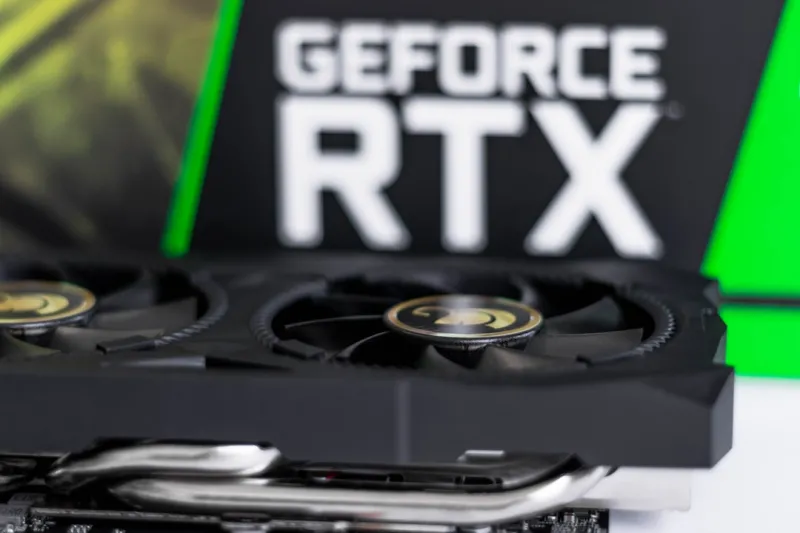
The graphics card market has been a rollercoaster, but 2026 finally feels like the calm after the storm. NVIDIA’s RTX 6000 Ada Lovelace and AMD’s RX 9000 Arc V2 are not just gaming behemoths; they’re also powerful compute engines for AI, scientific simulations, and even cryptocurrency mining—though the latter is now a regulated niche. What sets today’s GPUs apart is the integration of tensor cores and ray‑tracing units that double as general‑purpose compute blocks, dramatically accelerating workloads like deep‑learning inference, video transcoding, and real‑time physics simulations. Moreover, the advent of PCIe 5.0 x16 lanes ensures bandwidth that can keep up with these massive data streams, eliminating the bottlenecks that plagued previous generations. For a power‑user building a workstation, the key is to match your GPU’s VRAM and compute capability to your primary tasks: 24 GB of GDDR6 X is ideal for 8K video editing, while a 16 GB card with strong tensor performance serves AI research and development beautifully. Pairing this with a robust cooling solution will keep those cores humming at peak efficiency, even under sustained loads.
Memory Matters: DDR5, DDR6, and the Quest for Bandwidth
RAM has always been the silent hero of any high‑performance system, but in 2026 the conversation has shifted to bandwidth and latency as much as capacity. DDR5‑5600 is now the baseline for enthusiast builds, delivering up to 45 GB/s per module, while early adopters are experimenting with DDR6‑7200 kits that push the envelope past 60 GB/s. The real advantage of these newer standards isn’t just raw speed; it’s the tighter integration with CPU memory controllers that reduces latency, a crucial factor for AI workloads that demand rapid data shuffling. For power users, I recommend a minimum of 32 GB of DDR5 for a balanced system, but if you’re diving deep into large‑scale neural network training or massive video rendering projects, 64 GB or more of DDR6 can shave minutes off processing times. Remember, memory timing still matters—lower CL values paired with high frequencies yield the most responsive experience. And if you ever run into stability issues, my step‑by‑step RAM troubleshooting guide can save you countless hours of head‑scratching.
Storage Speed: NVMe, PCIe 5.0, and the Rise of Persistent Memory
Storage in 2026 is defined by blistering speeds and the growing convergence of volatile and non‑volatile memory. PCIe 5.0 NVMe SSDs, like the Samsung 990 Pro and Western Digital’s Black SN850X, deliver sequential read/write rates exceeding 14 GB/s, making them ideal for “instant‑load” gaming, massive 8K video editing, and real‑time AI model training. But the real game‑changer is persistent memory (PMEM) modules that sit on the memory bus, offering near‑RAM latency with storage‑grade endurance. While still niche, early adopters are using Intel’s Optane PMEM to keep large datasets in a state of perpetual readiness, slashing load times for data‑intensive applications. For a power‑user build, a tiered storage strategy works best: a high‑capacity PCIe 4.0 SSD for archival data, a PCIe 5.0 “scratch” drive for active projects, and a modest PMEM module for the hottest datasets. This approach balances cost with performance, ensuring that your system remains responsive no matter the workload.
Choosing the Right Motherboard: The Blueprint for Longevity
The motherboard is the unsung backbone of any future‑ready PC, and in 2026 it’s more critical than ever to select a board that can grow with you. Look for a chipset that supports the latest CPU sockets, PCIe 5.0 x16 lanes, and robust power delivery—features that will keep you from hitting a ceiling as new GPUs and AI accelerators emerge. I’ve written extensively on this in Mastering Motherboard Selection: The Power‑User’s Blueprint for 2026, where I break down why a 12+ phase VRM, dual‑BIOS, and ample M.2 slots are non‑negotiables for a high‑performance rig. Additionally, consider boards that offer USB 4.0/Thunderbolt 4 ports, which provide the bandwidth needed for external GPUs, high‑resolution monitors, and fast external storage solutions. A solid motherboard not only ensures stability under heavy loads but also simplifies future upgrades—something every power user values when the next wave of AI‑centric hardware hits the market.
Power Delivery and Cooling: Keeping the Beast Tamed
Power and cooling are the yin and yang of a high‑performance build. With CPUs and GPUs drawing upwards of 300 W each under load, a reliable 1000 W+ platinum‑rated PSU becomes essential, especially if you plan to overclock or run multiple GPUs. Look for modular designs with high‑efficiency ratings to keep heat and noise down. On the cooling side, the shift toward hybrid AIO‑liquid coolers with vapor‑chamber technology offers superior heat dissipation without the bulk of traditional radiators. Pairing these with high‑static‑pressure fans ensures that even the hottest components stay below thermal throttling thresholds. For those who love the tactile satisfaction of custom loops, modern soft‑tube kits now feature quick‑connect fittings that reduce leak risk—a boon for power users who demand both performance and reliability. By balancing robust power delivery with advanced cooling, you’ll create a stable foundation for the intense workloads described earlier.
Future‑Proofing with AI‑Centric Strategies
AI is no longer a futuristic add‑on; it’s baked into the hardware stack of 2026. From tensor cores in GPUs to dedicated AI accelerators on CPUs, the ecosystem is built for on‑device intelligence. My recent deep‑dive, AI Computing Unleashed: Power‑User Strategies for 2026, outlines how you can leverage these features for everything from automated video editing pipelines to real‑time language translation. When designing your build, prioritize components that expose these AI capabilities via open APIs—this ensures you can tap into hardware acceleration without being locked into proprietary ecosystems. Moreover, consider installing a modest amount of persistent memory to cache AI models, dramatically reducing inference latency. By aligning your hardware choices with AI trends, you not only future‑proof your rig but also unlock productivity gains that were unimaginable just a few years ago.
Peripheral Ecosystem: The Final Piece of the Puzzle
Even the most powerful internals can be hamstrung by a sub‑par peripheral setup. In 2026, monitors have embraced Mini‑LED and OLED panels with 144 Hz refresh rates at 4K resolution, delivering buttery‑smooth visuals for both gaming and color‑critical work. Look for displays that support Adaptive‑Sync and HDR10+ to fully exploit your GPU’s capabilities. On the input side, mechanical keyboards with per‑key RGB lighting and low‑latency wireless mice give you the precision needed for competitive gaming and detailed design tasks alike. Don’t overlook the importance of a high‑quality audio interface—whether you’re mixing tracks or attending virtual meetings, a clean signal path makes a world of difference. Finally, ensure your chassis supports ample front‑panel connectivity (USB‑C, USB‑4.0) to keep your workflow seamless. The right peripherals act as the final conduit, turning raw hardware horsepower into a cohesive, productive experience.
Putting It All Together: Your Roadmap to a Power‑User Dream Machine
Building a future‑ready PC in 2026 is about more than just picking the fastest parts; it’s about orchestrating a harmonious system where each component amplifies the others. Start with a hybrid‑core CPU that embraces AI instructions, pair it with a GPU packed with tensor cores, and complement them with high‑bandwidth DDR5 or DDR6 memory. Layer in PCIe 5.0 NVMe storage for lightning‑fast data access, and consider a touch of persistent memory for hot‑swap AI workloads. Choose a motherboard that offers robust VRM, ample expansion slots, and future‑proof connectivity, as detailed in Mastering Motherboard Selection. Wrap it all in a reliable power supply and advanced cooling solution, and don’t forget the peripheral suite that turns raw power into user‑centric productivity. By following this holistic approach, you’ll craft a machine that not only meets today’s demanding workloads but also scales gracefully as the next generation of software and AI innovations arrive. Happy building, and may your rigs stay cool and your frames stay high.