When I first cracked open a case back in the early 2020s, the idea of a processor that could think was still a sci‑fi fantasy. Fast‑forward to 2026, and AI‑accelerated cores are now a staple on mainstream CPUs, reshaping everything from gaming to content creation. As someone who lives at the intersection of hardware tinkering and enterprise tech, I’ve learned that staying ahead isn’t just about raw clock speed; it’s about understanding how each component contributes to an ecosystem that feels both future‑proof and immediately usable. In this post I’ll walk you through the most compelling hardware shifts of the year, share practical tips for integrating them, and point you toward resources that cut down the guesswork. Whether you’re a seasoned builder or a first‑time upgrader, the goal is the same: assemble a rig that doesn’t just keep up with today’s workloads but anticipates the demands of tomorrow’s AI‑driven applications.
The Rise of AI‑Centric CPUs
Modern processors are no longer just about cores and cache; they’re miniature AI workstations. Intel’s 13th‑gen “Aether” line and AMD’s “Zen 5” series both embed dedicated neural engines that offload machine‑learning inference from the GPU, slashing latency for tasks like real‑time language translation and on‑the‑fly video upscaling. What this means for the average builder is a new performance tier that can be tapped without a massive graphics card. Pairing a CPU with a modest mid‑range GPU now yields results that previously required a high‑end RTX 4090. The trick is matching the AI workload profile to the right silicon—developers will soon write code that automatically detects and utilizes these cores, so future‑proofing your build starts with selecting a motherboard that supports the latest socket and firmware updates.
GPU Evolution and Stability Concerns
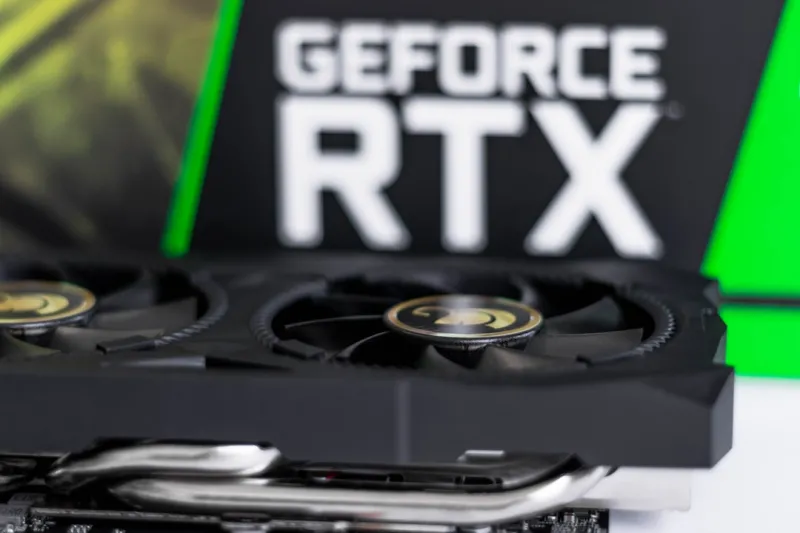
Graphics cards in 2026 have become hybrid powerhouses, combining traditional rasterization with tensor‑driven AI pipelines. The latest RTX 5090, for instance, boasts 48 GB of GDDR7 memory and a dedicated AI accelerator that can handle up to 250 TFLOPs of mixed‑precision compute. However, with great power comes the occasional crash, especially when drivers lag behind new AI frameworks. If you’ve ever stared at a frozen screen while a game tried to render ray‑traced reflections, you know the pain. That’s why I always keep the GPU crash troubleshooting guide bookmarked—it walks you through firmware rollbacks, power‑limit tweaks, and clean driver installations that can rescue a seemingly dead rig in minutes.
Memory and Storage: From DDR5 to DDR6 and Beyond
The memory landscape is finally catching up to the AI‑centric CPU era. DDR5‑5600 is now the baseline for high‑performance desktops, but the early adopters of DDR6 are already seeing a 15‑20% boost in bandwidth, which translates directly into smoother AI model inference and faster game asset streaming. On the storage front, PCIe 6.0 NVMe drives have become affordable, delivering up to 14 GB/s sequential reads. For creators who juggle 8K footage and large AI datasets, this speed differential is the difference between a workflow bottleneck and a seamless editing experience. When planning your build, consider allocating at least 32 GB of DDR5 for most users, but don’t shy away from a DDR6 kit if you anticipate heavy AI workloads. Pair this with a dual‑drive configuration—an ultra‑fast NVMe for OS and applications, and a larger SATA or secondary NVMe for bulk storage—to keep everything humming.
Power Delivery and Cooling Innovations
Power supplies have evolved from simple brick‑walls into smart, digitally controlled units that communicate with the motherboard to optimize voltage curves on the fly. In 2026, 80 PLUS Platinum efficiencies are now standard, and many high‑end PSUs feature AI‑driven load balancing that reduces heat output and prolongs component lifespan. Cooling, too, has taken a quantum leap. Hybrid liquid‑air coolers combine a compact radiator with a whisper‑quiet fan array, while vapor‑chamber AIOs now come pre‑filled with nano‑fluid coolants that improve thermal conductivity by up to 12%. If you’re pushing a CPU’s AI cores to 100 % utilization for extended periods, these advancements aren’t optional—they’re essential to maintaining stable boost clocks and preventing thermal throttling.
Motherboards, PCIe 7.0, and Integrated Networking
Motherboard design in 2026 revolves around modularity and bandwidth. PCIe 7.0, now officially released, doubles the throughput of its predecessor, enabling multi‑GPU configurations and ultra‑fast storage arrays without the traditional bottlenecks. But perhaps the most exciting integration is the built‑in 10 Gbps Ethernet paired with Wi‑Fi 7, both of which are AI‑optimized for traffic prioritization. This means your gaming latency stays low even while a background AI model streams data to the cloud. For a deeper dive into setting up these networks, check out the AI‑powered networking guide, which walks you through configuring QoS profiles that keep your gaming frames smooth while your workstation crunches data.
Hardware‑Rooted Security in an AI‑Threatened World
As AI becomes a tool for both creators and attackers, the hardware security layer has never been more critical. TPM 2.2 modules now include built‑in AI anomaly detection, flagging suspicious firmware signatures before they can execute. Coupled with hardware‑based encryption accelerators, modern CPUs can encrypt entire memory pages on the fly without a noticeable performance hit. If you’re wondering how to protect a home PC from AI‑driven ransomware, the AI‑Driven Threats Security Playbook outlines practical steps—like enabling firmware guard, using secure boot with signed kernels, and regularly updating the hardware trust chain.
Future‑Ready PC Upgrades: Maximizing Performance, Security, and Longevity
Planning a build that stands the test of time means thinking beyond the immediate specs. A modular approach—selecting a case with ample drive bays, a power supply with headroom for future GPU upgrades, and a motherboard that supports multiple PCIe generations—saves you from costly overhauls down the line. The future‑ready PC upgrade checklist recommends targeting at least a 30 % power margin on your PSU, using DDR5 or DDR6 RAM that can be expanded, and opting for a motherboard with at least three M.2 slots. By anticipating the next wave of AI accelerators and storage standards, you can upgrade a single component without rebuilding the entire system.
Practical Checklist for Building a Future‑Ready Rig
Here’s a concise, actionable list to keep you on track:
- Choose a CPU with built‑in AI cores (e.g., Intel Aether or AMD Zen 5).
- Pair it with a GPU that supports tensor operations and has a robust driver support cycle.
- Install at least 32 GB of DDR5/DDR6 RAM, leaving slots free for expansion.
- Use a PCIe 7.0‑compatible motherboard with multiple M.2 slots and integrated 10 Gbps Ethernet.
- Select an 80 PLUS Platinum PSU with 30 % headroom and digital monitoring.
- Implement hybrid liquid‑air cooling for sustained high‑load performance.
- Enable TPM 2.2 and firmware guard for AI‑enhanced security.
- Document firmware versions and keep a recovery USB handy.
Following these steps ensures that your system remains agile as new AI workloads emerge, and that you won’t need to replace the entire chassis when the next generation of hardware drops.
Closing Thoughts: Embrace the Evolution, Stay Curious
The hardware revolution of 2026 is less about isolated upgrades and more about an interconnected ecosystem where AI, security, and performance coexist harmoniously. By treating each component as a piece of a larger puzzle—selecting CPUs that think, GPUs that accelerate, and motherboards that talk—you’ll build a machine that not only handles today’s demands but also adapts to tomorrow’s innovations. Keep an eye on firmware releases, stay active in community forums, and never shy away from a little tinkering; that’s where the real learning—and the biggest performance gains—happen. Happy building, and may your frames stay high and your temperatures stay low!