When you’ve spent the better part of two decades dancing between the Command Prompt and the latest UI polish, you develop a sort of love‑hate relationship with Microsoft Windows. In 2026 the OS feels like a seasoned marathon runner—still capable of sprinting, yet now equipped with a brain of its own. I’ve watched Windows evolve from the clunky, driver‑laden beast of the early 2010s to a platform that now leans heavily into AI‑assisted workflows, cloud‑first security, and modular updates that feel almost invisible. For power users like us, the real excitement lies not just in the pretty tiles or the snappy start menu, but in the under‑the‑hood changes that let us push hardware to its limits while keeping our data locked down tighter than a vault. In this post I’ll walk you through the most impactful Windows trends of 2026, sprinkle in a few battle‑tested tips, and point you toward resources that can turn your workstation into a fortified, future‑ready digital command center.
AI‑Infused Windows: From Cortana to Co‑Pilot
Microsoft’s AI strategy has finally leapt from the experimental to the everyday. The integration of the new Windows Co‑Pilot layer means that every keystroke, every file you open, and even the way you schedule tasks are now being intelligently optimized. Imagine opening a massive Excel model and having the system suggest pivot tables before you’ve even typed the first formula. This isn’t just a gimmick; it’s a productivity catalyst that cuts down on repetitive manual work. For power users, the key is learning how to harness these suggestions without letting the AI take the wheel entirely. Tweaking the Co‑Pilot settings in the Settings → Privacy → AI Hub panel lets you decide the depth of assistance, from “Passive Hints” to “Full Automation.” Pair this with the new Windows Subsystem for Linux 2.2, which now supports GPU pass‑through, and you’ve got a hybrid environment where AI‑driven Windows tools and native Linux workloads coexist seamlessly, delivering the best of both worlds on a single machine.
Zero‑Trust and Post‑Quantum Security on Windows
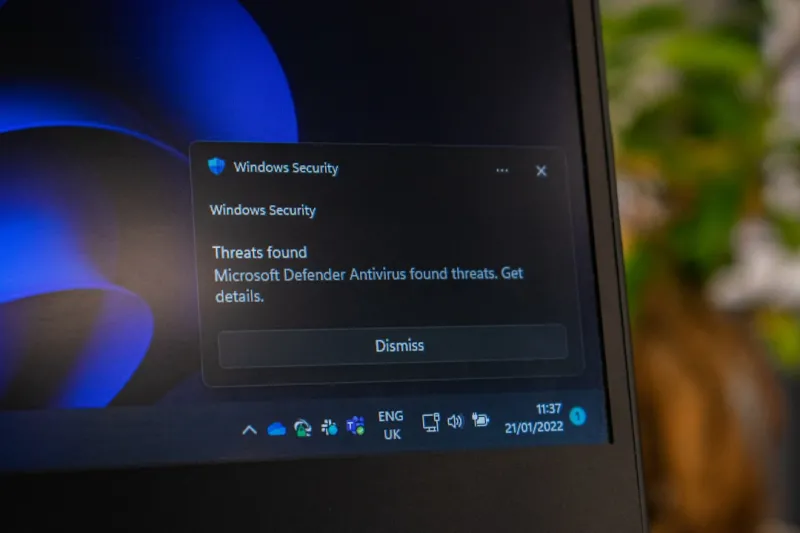
Security in 2026 feels like a never‑ending chess match, especially with quantum‑ready threats looming on the horizon. Microsoft has woven a Zero‑Trust architecture directly into the OS, meaning every app, driver, and network request is verified before it’s allowed to run. This is a massive shift from the old perimeter‑based defense model. As a power user, you can enable the “Enterprise Zero‑Trust Mode” via the Windows Security Center, which enforces credential isolation, micro‑segmentation, and continuous authentication checks. If you want a deeper dive into building a quantum‑resistant fortress, check out Zero‑Trust in a Post‑Quantum World: How Power Users Can Secure Their Digital Kingdom. The article walks you through configuring hardware‑rooted keys, leveraging TPM 2.0 for cryptographic operations, and rolling out post‑quantum algorithms across your device fleet—essential reading for anyone who refuses to be caught off‑guard by the next generation of attacks.
Encryption Made Simple—And Still Strong
If you thought BitLocker was the end‑all of Windows encryption, think again. The 2026 update introduces Dynamic Volume Encryption, a system that automatically adjusts encryption strength based on file sensitivity and usage patterns. Sensitive documents get AES‑256, while less critical data may be protected with AES‑128 to reduce performance overhead. The real magic lies in the seamless integration with Azure Key Vault, allowing you to rotate keys without ever taking the drive offline. For those who crave a more granular approach, I recommend reading Unlocking the Power of Encryption for Modern Power Users, which breaks down how to script automated key rotation, enforce policy‑driven encryption tiers, and verify compliance using PowerShell. When you combine dynamic encryption with the new Zero‑Trust policies, you’ve essentially built a digital moat that adapts in real‑time to the ever‑changing threat landscape.
Storage Strategy: Why Hard Drives Still Matter
In a world dominated by NVMe flash, it’s tempting to dismiss spinning disks as relics of the past. Yet, hard drives in 2026 have undergone a renaissance, offering capacities that dwarf any SSD while maintaining a price point that makes them ideal for archival and bulk‑data scenarios. The latest 20TB SMR drives boast improved latency thanks to firmware‑level caching, making them viable for media libraries and large‑scale virtualization images. For power users who juggle massive datasets, pairing an NVMe boot drive with a multi‑terabyte HDD array strikes the perfect balance between speed and storage economy. Dive deeper into the rationale behind this hybrid approach in Why Hard Drives Remain Essential in a Fast‑Moving Storage Landscape, where we explore tiered storage policies, automated tier migration using Storage Spaces Direct, and best‑practice backup strategies that keep your data both fast‑accessible and safely tucked away.
AI Computing on Windows: Power‑User Playbooks
Windows isn’t just a host for AI; it’s becoming a first‑class platform for training and inference workloads. The new DirectML 3.0 API unlocks GPU acceleration for a broader range of frameworks, from PyTorch to TensorFlow, without the need for cumbersome driver swaps. Coupled with the Windows Subsystem for Linux’s improved GPU sharing, you can spin up a containerized AI environment in minutes, then switch back to native Windows tools for data preprocessing. If you’re looking for a strategic roadmap, the guide Mastering AI Computing: Power‑User Strategies for 2026 offers a step‑by‑step plan: start with the Windows AI Platform Installer, configure WSL2 with GPU pass‑through, and then fine‑tune your power plans to allocate dedicated cores for AI tasks while preserving battery life on laptops.
Supercharging Microsoft Office for Power Users
Office 365 has morphed into an AI‑enhanced suite that anticipates your workflow before you even think about it. Features like Word Co‑authoring Suggestions and Excel Auto‑Modeling turn routine documents into collaborative, data‑driven masterpieces with a single click. The real advantage for power users is the ability to script Office actions using the new Office.js v2, which integrates directly with Windows PowerShell. This means you can automate report generation, batch‑update slide decks, or even trigger Outlook reminders based on file system events. For a deep dive into unlocking these capabilities, see Unlocking Microsoft Office: Power‑User Strategies for 2026. The article walks through creating custom ribbon buttons, leveraging AI suggestions programmatically, and binding Office events to Windows Task Scheduler for truly hands‑off productivity.
Hardware Trends You Can’t Afford to Miss
The hardware ecosystem in 2026 is all about convergence: CPUs now ship with integrated AI accelerators, GPUs support ray‑tracing at consumer price points, and DDR5 5600 MT/s memory has become the new baseline for high‑performance rigs. For Windows power users, the most impactful development is the rise of the Intel Meteor Lake and AMD Zen 5 chips, both of which feature hybrid cores that intelligently delegate background tasks to low‑power efficiency cores while reserving high‑performance cores for demanding applications like video rendering or AI inference. Pair these CPUs with a PCIe 5.0 NVMe drive and you’ll see boot times under two seconds, even with a full suite of security services active. To keep pace, I recommend regularly checking the The Hardware Trends Power Users Can’t Afford to Miss article, which outlines upcoming chipset features, optimal cooling solutions, and how to future‑proof your PC without breaking the bank.
Future‑Proofing Your Digital Fortress
All the bells and whistles are great, but without a cohesive security strategy, your Windows machine is just a pretty shell. The 2026 security playbook emphasizes continuous monitoring, automated patch management, and leveraging the cloud for threat intelligence. Enabling Windows Update for Business with “Auto‑Deploy” rings ensures you never miss critical patches, while the new Cloud‑Based Attack Surface Reduction (ASR) rules give you real‑time insights into suspicious behavior across the network. For a holistic approach that ties together encryption, Zero‑Trust, and hardware hardening, read Future‑Proof Your Digital Fortress: Power‑User Security. The guide walks you through constructing a layered defense model, automating compliance scans with PowerShell DSC, and integrating Microsoft Sentinel for centralized logging—essential steps to keep your Windows workstation resilient against tomorrow’s threats.
Wrapping It All Up: Your Windows 2026 Power‑User Checklist
By now you should have a clear picture of how Windows in 2026 empowers power users to blend performance, AI, and ironclad security into a single, seamless experience. To recap, here’s a quick checklist: enable Windows Co‑Pilot and fine‑tune its assistance level; activate Enterprise Zero‑Trust Mode; adopt Dynamic Volume Encryption with Azure Key Vault integration; build a hybrid storage pool of NVMe and high‑capacity HDDs; leverage DirectML and WSL2 for AI workloads; automate Office tasks via Office.js and PowerShell; stay current on CPU, GPU, and memory trends; and finally, implement a continuous security monitoring regimen using Microsoft Sentinel. Follow these steps, and your Windows machine will not only survive but thrive in the fast‑moving tech landscape of 2026. Keep experimenting, stay curious, and remember—your workstation is a canvas; the tools we’ve discussed are your palette. Happy computing!