When a video card hiccups, freezes, or throws cryptic driver errors, the fallout spreads far beyond a laggy game or a choppy video edit. As a power‑user who lives on the edge of performance, I’ve learned that every glitch is a symptom of a deeper system imbalance. In 2026, the sheer power of modern GPUs—tuned for AI inference, real‑time ray tracing, and ultra‑high‑resolution streaming—means that a single misconfiguration can cripple an entire workflow. The key is to adopt a systematic, forensic mindset: start with the obvious, then peel back layers until you pinpoint the root cause. This article walks you through that process, blending the hard‑won lessons from my own troubleshooting battles with the latest tools and best practices that keep a high‑performance rig humming.
Start With the Fundamentals: Drivers and Windows Updates
The most common culprit for video card instability is an out‑of‑date or corrupted driver. Even in 2026, where manufacturers push monthly patches to address security, performance, and AI‑specific optimizations, many users linger on legacy versions out of habit. Begin by downloading the latest WHQL‑certified driver directly from the GPU vendor’s website, not through third‑party utilities that might bundle unwanted bloat. After installation, perform a clean reboot and verify the driver version in Device Manager. Equally important is keeping Windows itself current; the OS’s kernel and DirectX libraries are tightly coupled with GPU drivers. A missed cumulative update can manifest as “driver signature enforcement” errors or intermittent black screens. If you’re unsure whether you’ve missed a crucial patch, run Windows Update and look for the “Optional updates” section, which often houses GPU‑related fixes that power‑users overlook.
Physical Checks: Power Delivery, PCIe Slot, and BIOS Settings
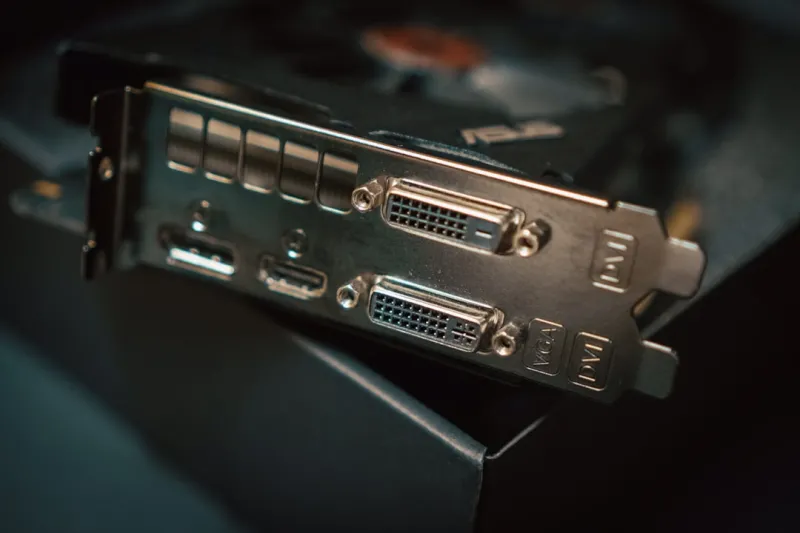
A GPU that won’t initialize can be a sign of insufficient power or a loose connection. Verify that the power supply unit (PSU) is delivering the correct wattage—most high‑end cards in 2026 require 300 W or more, and a marginal PSU can cause spontaneous resets. Inspect the PCIe power connectors for bent pins or dust accumulation; even a single compromised pin can interrupt the power rail. Next, confirm that the card is seated fully in the PCIe x16 slot; a partially inserted card often triggers “PCI Express Bus Error” events in the system log. Finally, dive into the BIOS/UEFI and ensure that the PCIe mode is set to “Auto” or “Gen 4” (or the appropriate generation for your motherboard). Enabling “Above 4G decoding” is essential for systems with multiple GPUs or large address spaces, a setting that many users forget when upgrading a single card.
Temperature Management: Cooling, Thermal Paste, and Fan Curves
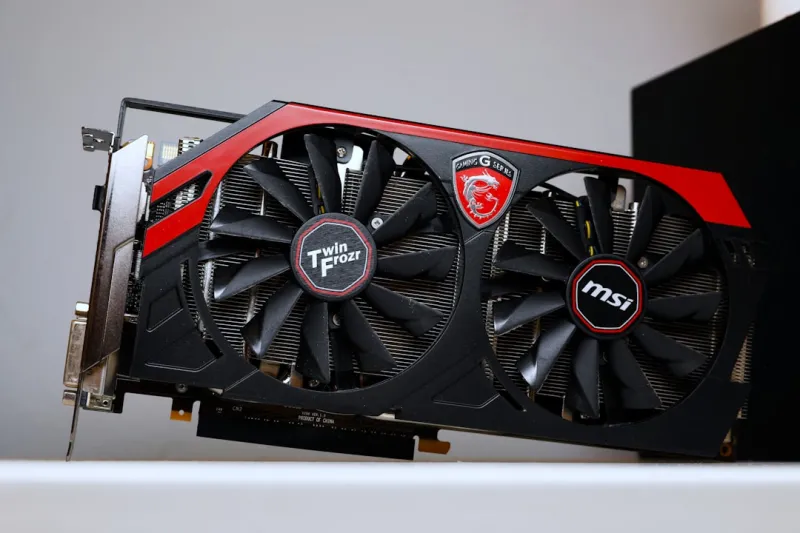
Heat is the silent assassin of GPU reliability. Modern RTX‑ and Radeon‑based GPUs in 2026 can sustain 85 °C under load, but sustained temperatures above 90 °C dramatically reduce lifespan and trigger throttling. Start by monitoring real‑time temps with tools like MSI Afterburner or the built‑in GPU-Z sensor panel. If you see temperatures creeping into the high‑80s, revisit your case airflow: ensure intake fans are unobstructed, and consider adding a dedicated GPU exhaust fan. The thermal interface material (TIM) between the die and the cooler can degrade over a few years; reapplying high‑quality thermal paste can shave 5–10 °C off peak temps. Finally, customize fan curves to ramp up earlier—many users stick with the default “auto” profile, which may be too conservative for demanding AI workloads that keep the GPU at full throttle for extended periods.
Software Interference: Background Processes and AI Workloads
Power‑users often run multiple high‑intensity applications simultaneously: virtual machines, containerized AI inference engines, and real‑time video encoders. These processes compete for GPU resources and can cause driver deadlocks if they aren’t properly sandboxed. Use the Windows Task Manager’s “GPU Engine” column to spot which applications are hogging resources. If you notice a background service consuming a high percentage of GPU memory, consider isolating it with Windows’ “Graphics Settings” where you can assign specific GPUs to particular apps. Additionally, recent AI frameworks have introduced “dynamic memory allocation” that can overcommit VRAM, leading to “out‑of‑memory” crashes. When troubleshooting, temporarily disable non‑essential AI services or limit their memory usage via configuration files to see if stability improves.
Deep‑Dive Tools: Event Viewer, DXDiag, and GPU-Z
When surface‑level checks don’t reveal the problem, it’s time to enlist the built‑in Windows diagnostics. Open Event Viewer and filter for “Display” or “Kernel‑Power” events; error codes like 0x00000116 often point to driver or hardware faults. Run DXDiag (type dxdiag in the Run dialog) to generate a comprehensive report on your display subsystem; pay attention to the “Display Devices” section for any “Problem” flags. GPU‑Z provides a granular view of clock speeds, voltage, and error counters that can illuminate subtle instability patterns, such as a spike in “Memory Error Count” that correlates with a specific workload. Capture logs from these tools before and after reproducing the issue, then compare them to identify recurring anomalies.
Firmware and Motherboard Compatibility: Updating the Foundations
Even with a flawless driver, an outdated GPU firmware can cause erratic behavior, especially when new DirectX or Vulkan features are introduced. Most manufacturers ship firmware updates via their driver packages, but you can also apply them directly through the vendor’s flashing utility. Before you flash, back up the current BIOS version and verify that your motherboard’s BIOS supports the GPU’s PCIe generation. If you’re running a board that was popular among power‑users a few years ago, you may need a BIOS update to unlock “PCIe 5.0” support, which many 2026 GPUs leverage for higher bandwidth. For a deep dive on why the motherboard matters for future‑proof builds, see Why Choosing the Right Motherboard Is the Keystone of a Future‑Proof Power‑User Build.
When to Replace: Evaluating Performance Benchmarks
Sometimes the most efficient solution is to retire the aging card. Compare your GPU’s benchmark scores against current standards using sites like GPU‑Benchmark.net. If your card scores below 70 % of the median for its class, you’ll likely encounter bottlenecks in modern titles, AI model training, or 8K video editing. In 2026, the leap from the previous generation to the latest architecture often yields a 30‑40 % performance uplift and introduces dedicated hardware for ray tracing and DLSS‑3. Before you purchase, consult the “Essential PC Upgrades Every Power User Needs in 2026” guide to ensure the new GPU aligns with your overall system balance—upgrading a GPU without sufficient CPU, RAM, or storage bandwidth can lead to new, unexpected choke points.
Debunking Common Myths: More RAM Isn’t a Fix for GPU Issues
It’s tempting to throw more RAM at a system that’s stuttering, assuming the GPU is starved for memory. While insufficient system RAM can cause paging and degrade overall responsiveness, it rarely resolves graphics‑specific crashes. VRAM shortages manifest as “out‑of‑memory” errors in the driver, not as Windows “Not Responding” dialogs. If you’re seeing those errors, focus on reducing texture resolutions or closing other GPU‑intensive applications before adding more system RAM. For a deeper look at why RAM problems behave the way they do, check out Why Your RAM Keeps Crashing and How to Fix It. Understanding the distinct memory domains helps you allocate resources more intelligently and avoid the “bigger is better” trap.
Playbook Summary and Next Steps
Armed with this systematic approach, you can transform a baffling video‑card failure into a manageable checklist: update drivers and Windows, verify power and slot integrity, tame temperatures, isolate software conflicts, dive into diagnostic logs, refresh firmware, and finally assess whether a replacement is warranted. Remember that each step builds on the previous one—skipping a stage can lead to misdiagnosis and wasted time. For a consolidated guide that walks you through every nuance, refer to Mastering Video Card Troubleshooting: A Power‑User’s Playbook. Keep this article bookmarked, run through the checklist before every major upgrade, and you’ll stay ahead of the curve in 2026’s demanding performance landscape.