If you’ve ever stared at a spinning cursor while a 4K video stutters or watched your favorite game dip below 30 fps, you know that memory issues can feel like a silent saboteur. In 2026, RAM isn’t just a box of chips—it’s the pulse that drives AI‑enhanced workloads, real‑time ray tracing, and massive multitasking sessions. As a longtime power‑user, I’ve learned that the first sign of trouble often masquerades as a simple slowdown, but beneath the surface it could be a timing mismatch, a faulty module, or a BIOS setting gone rogue. This article walks you through a systematic, power‑user‑level approach to diagnosing, fixing, and future‑proofing your memory subsystem, so you can keep your rig humming at peak performance without endless reboots or cryptic error codes.
Decoding the Modern RAM Landscape
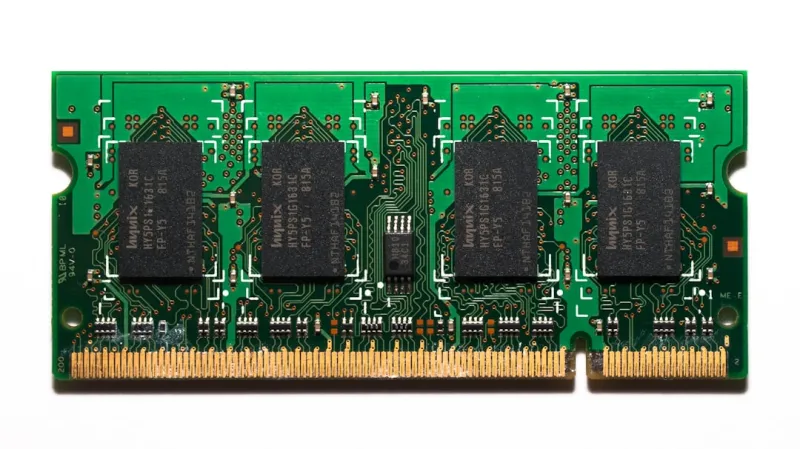
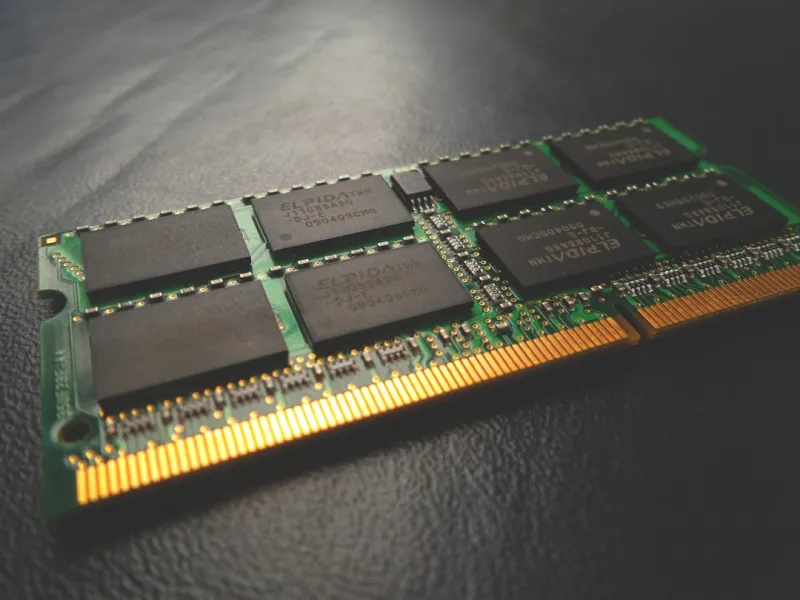
Understanding today’s RAM starts with the jump from DDR4 to DDR5, which dominates high‑end builds in 2026. DDR5 brings twice the bandwidth, on‑die ECC, and a new concept called “bank groups” that reshapes latency characteristics. However, the increased speed comes with tighter timings—often expressed as CL (CAS latency) paired with tRCD and tRP values. A module rated at 5600 MT/s with CL 36 may feel slower in practice than a 5200 MT/s stick with CL 30 due to the higher latency. Power users need to balance raw frequency against tight timings, especially when running memory‑intensive AI inference or large data‑set simulations. Keep an eye on the JEDEC specifications and the manufacturer’s XMP profiles, as these will guide you toward the sweet spot that maximizes throughput without sacrificing stability.
BIOS Settings: The First Line of Defense
The BIOS is where RAM truly comes to life—or dies. In 2026, most UEFI firmware ships with XMP (Extreme Memory Profile) support, allowing you to instantly apply the manufacturer’s tested timings and voltage. Yet, many power users discover that the default auto‑profile either under‑clocks the modules or applies conservative timings that hinder performance. Dive into the “Advanced Memory Settings” section, enable XMP, and then verify that the reported frequency, voltage, and timings match the module’s spec sheet. If you’re comfortable with manual tweaking, fine‑tune the subtimings—especially the command rate and the tRFC values—while watching for POST failures. Remember to save a baseline profile before you start; a quick “Load Optimized Defaults” can rescue a system that refuses to boot after an overzealous overclock.
Stress‑Testing Tools: From Windows Diagnostics to MemTest86
Once your BIOS settings look solid, it’s time to put the RAM through the gauntlet. Windows 11’s built‑in Memory Diagnostic is a quick sanity check, but for power users, it’s just the tip of the iceberg. Bootable tools like MemTest86 and its newer Pro version can run exhaustive pattern tests across all addressable rows, exposing subtle errors that only surface under sustained load. In 2026, MemTest86 supports DDR5’s “half‑cycle” timing nuances, so be sure to select the “Advanced” test suite for the most thorough coverage. Run at least three full passes—each can take 30‑45 minutes on a modern rig—and monitor for any “FAIL” flags. If you encounter errors, note the specific module slot; swapping modules or reseating them can sometimes resolve contact issues. Persistent failures usually point to defective chips or an incompatible motherboard, prompting the next step in your troubleshooting arsenal.
Software Interference: Hidden Memory Drains
Even perfectly healthy RAM can be throttled by rogue software. Background services, especially those tied to telemetry, cloud sync, or AI assistants, can allocate large, fragmented memory pools that masquerade as leaks. Use Windows Task Manager’s “Memory” tab or the more detailed Resource Monitor to identify processes with unusually high private working set sizes. In my own setups, I’ve found that certain browser extensions and outdated drivers create “ghost” allocations that never release, leading to intermittent stalls. A quick power‑user trick is to create a clean boot environment—disable non‑Microsoft services via msconfig—and observe whether the memory usage stabilizes. If it does, re‑enable groups of services until the culprit reappears, then either update or replace that software. This method not only restores RAM efficiency but also improves overall system responsiveness.
Overclocking and Voltage: Walking the Tightrope
Overclocking RAM can yield noticeable performance gains, but it’s a delicate dance of frequency, voltage, and timing. In 2026, many high‑end DDR5 kits support up to 6400 MT/s with a voltage ceiling of 1.45 V, but pushing beyond the spec can introduce signal integrity problems. Use a reputable stress tool like AIDA64’s “Memory Stability Test” while gradually nudging the frequency upward. If you encounter errors, consider tightening the timings first before raising voltage, as excessive voltage can degrade the silicon over time. Keep an eye on the motherboard’s power delivery subsystem—some boards, especially those highlighted in The Motherboard Revolution, provide enhanced memory trace layouts and BIOS knobs for fine‑grained control. Always log your voltage and temperature readings; a stable overclock should stay below 70 °C for the memory controller to avoid throttling.
Choosing the Right Upgrade: Compatibility and Future‑Proofing
When it’s clear that your current RAM is the bottleneck, selecting a replacement demands more than just looking at MHz numbers. Verify your motherboard’s QVL (Qualified Vendor List) for supported module densities and speeds—skip the guesswork by consulting the latest firmware notes. Dual‑channel configurations still provide the best bandwidth per watt, but for extreme workloads you might consider quad‑channel platforms, which are gaining traction in 2026’s workstation‑grade boards. Pair your memory choice with the appropriate CPU’s memory controller capabilities; some 13th‑gen processors cap effective bandwidth at 5600 MT/s, rendering higher‑speed kits moot. Finally, plan for growth: buying a kit with extra slots free allows you to add more modules later without replacing the whole set. This strategy aligns with the broader upgrade roadmap outlined in Essential PC Upgrades for Power Users, ensuring your rig stays competitive as software demands evolve.
Future‑Ready Memory for AI and Real‑Time Rendering
AI workloads and real‑time ray tracing are reshaping memory requirements. Large language models and diffusion generators can allocate gigabytes of RAM in seconds, stressing latency more than pure bandwidth. In 2026, technologies like Intel’s Optane‑DC Persistent Memory are emerging, but for most power users, a well‑tuned DDR5 kit remains the sweet spot. Consider enabling “Memory Scrubbing” in the BIOS to proactively correct single‑bit errors—a feature especially useful for long‑running AI training sessions. Additionally, keep your system’s firmware updated; manufacturers now release micro‑code patches that improve memory controller efficiency for AI‑accelerated tasks. Pair these hardware optimizations with software-level tweaks—such as setting appropriate pagefile sizes and using Windows 11’s “Hardware‑Accelerated GPU Scheduling” to offload certain memory management duties to the GPU—for a balanced, high‑performance environment.
Action Plan: Your 5‑Step Memory Troubleshooting Checklist
To wrap up, here’s a concise checklist that turns the troubleshooting process into a repeatable workflow: 1) Verify BIOS XMP settings and manually adjust timings if needed; 2) Run MemTest86 for three full passes, noting any slot‑specific errors; 3) Audit background processes with Task Manager to eliminate software‑induced memory bloat; 4) Perform a controlled overclock, monitoring voltage and temperature with AIDA64; 5) Cross‑reference your motherboard’s QVL and future‑proofing guidelines before purchasing new modules. Following these steps will not only resolve the immediate hiccup but also fortify your system against the next wave of demanding applications. If you’ve enjoyed this deep dive, explore more power‑user guides on our site—there’s a whole suite of resources waiting to help you squeeze every last megahertz out of your rig.