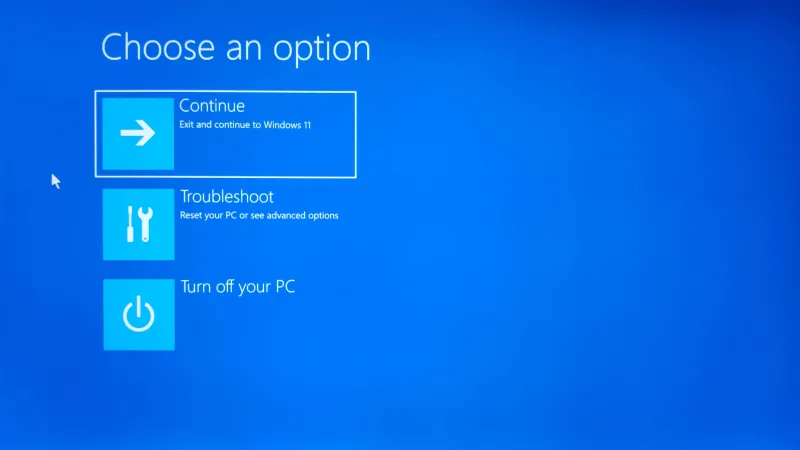
If you’ve ever watched the dreaded blue screen of death (BSOD) crawl across your monitor, you know the feeling is equal parts panic and fascination. As someone who has spent countless late‑night hours dissecting cryptic error codes on a home lab built from spare parts, I’ve learned that the BSOD is less a random act of digital cruelty and more a sophisticated diagnostic signal from the operating system. In 2026, Windows has become smarter, leveraging AI to surface deeper insights, yet the core purpose remains unchanged: halt the system before an unrecoverable fault spreads. My goal in this post is to demystify why those blue curtains appear, how to read the clues they give, and, most importantly, how you can turn a terrifying crash into a teachable moment that strengthens your PC’s resilience.
What Triggers the Blue Screen in Modern PCs?
The first thing to understand is that a BSOD is the OS’s emergency brake, pulling the plug when it detects a fatal error. In most cases, the culprit is a faulty driver that miscommunicates with hardware, causing a memory violation that the kernel cannot safely ignore. In 2026, the sheer variety of drivers—spanning everything from NVMe storage controllers to AI‑accelerated GPU kernels—creates a dense web of interdependencies. When a new driver update arrives, it may inadvertently clash with an older firmware version, leading to a crash that manifests as a blue screen. Hardware failures, such as a dying RAM module or a failing power delivery circuit on the motherboard, also feed the same error pathways. Even seemingly benign software like a macro in Microsoft Office can trigger a chain reaction if it accesses low‑level APIs incorrectly, which ties back to the broader ecosystem of productivity tools we rely on daily.
Memory Issues: The Silent Saboteurs
One of the most insidious sources of BSODs is memory corruption that slips past conventional diagnostics. Most users run the Windows Memory Diagnostic or MemTest86 without realizing that intermittent timing glitches or subtle voltage fluctuations can elude these tests. In my own builds, I’ve seen a single bad DIMM cause sporadic blue screens that only appear under heavy AI workloads. The article Why Memory Issues Slip Past Most Diagnostics (And How to Catch Them) dives deep into advanced testing techniques, such as stress‑testing with custom kernel‑level scripts and using ECC‑enabled platforms for early detection. By combining these methods with the built‑in Event Viewer logs, you can pinpoint the exact memory address that caused the fault, turning a vague “PAGE_FAULT_IN_NONPAGED_AREA” into a concrete hardware action plan.
Motherboard Matters More Than You Think
While RAM often gets the spotlight, the motherboard is the unsung hero that orchestrates every component’s communication. A subtle flaw in the BIOS—perhaps an outdated microcode for a new generation PCIe controller—can cause the CPU to misinterpret data from a GPU, instantly throwing a critical exception. In my troubleshooting arsenal, I always start by checking the motherboard’s firmware version against the manufacturer’s release notes, especially after a major Windows update. For a deeper dive into why the motherboard deserves your attention, see Why Motherboards Are the Unsung Heroes of Modern PC Builds. Upgrading to a board with robust power delivery and better VRM cooling can dramatically reduce the frequency of blue screens, especially when you push the system with AI‑heavy workloads.
Security Layers and Encryption Interplay
Modern operating systems encrypt memory pages on the fly, a feature that enhances security but also adds complexity to crash diagnostics. When an encrypted page is accessed incorrectly—perhaps by a compromised driver—the OS may trigger a blue screen to protect sensitive data from being exposed. This is where a solid understanding of encryption mechanisms becomes valuable. My recent read, Unlocking the Power of Encryption: A 2026 Guide to Secure Computing, explains how hardware‑based encryption (like Intel’s SGX) interacts with the kernel’s error handling. By ensuring that your system’s TPM and firmware are up to date, you reduce the likelihood of cryptographic mishaps that manifest as BSODs, while also reinforcing your overall security posture.
The AI Computing Factor
AI workloads have exploded in 2026, and with them comes a new breed of drivers and runtime libraries that push hardware to its limits. When you run a large language model locally or offload inference to a dedicated AI accelerator, the driver stack must manage massive data streams with sub‑microsecond latency. Any misalignment—say, a race condition in the driver’s buffer management—can instantly corrupt kernel memory and result in a blue screen. The article Why AI Computing Demands a Whole‑New Approach in 2026 outlines best practices for isolating AI processes, using containerized runtimes, and employing watchdog timers to catch runaway kernels before they crash the entire system.
A Systematic Troubleshooting Playbook
When a blue screen strikes, the key is to stay methodical. I follow a five‑step playbook that has saved me countless hours of downtime. First, note the error code and any accompanying parameters; they are the breadcrumbs leading to the root cause. Second, consult the Windows Reliability Monitor for a timeline of events preceding the crash. Third, run a hardware stress test—CPU with Prime95, GPU with FurMark, and RAM with MemTest86—to isolate faulty components. Fourth, roll back recent driver updates or perform a clean install if you suspect software conflict. Finally, capture a memory dump using the built‑in MiniDump settings and analyze it with WinDbg, focusing on the call stack that led to the crash. Here’s a quick
- Record the STOP code
- Check Event Viewer
- Stress test hardware
- Update or roll back drivers
- Analyze dump files
—a checklist you can keep on your desktop for rapid response.
Leveraging Built‑In Windows Tools for Deeper Insight
Windows 11 in 2026 ships with a suite of diagnostics that go beyond the classic BlueScreen view. The “Windows Debugger” (WinDbg) now integrates AI‑assisted symbol resolution, which can automatically match a cryptic memory address to the exact line of driver code that failed. To use it, enable “Automatic Memory Dump” in System Settings, reproduce the crash, and then open the .dmp file in WinDbg. The tool will highlight the offending module and even suggest known hotfixes from the Microsoft Knowledge Base. Additionally, the “Kernel Memory Dump Analyzer” provides a visual map of memory allocations, letting you see if a specific driver repeatedly overflows its buffer. By mastering these utilities, you transform the blue screen from an ominous wall into a transparent window onto your system’s inner workings.
Preventative Maintenance for a Blue‑Screen‑Free Future
Proactive care is the most effective antidote to BSODs. Regularly update your BIOS and firmware, as manufacturers often release microcode patches that fix hidden timing bugs. Keep your drivers synchronized with the OS version; using tools like “Driver Booster” can help you stay on top of the latest releases. Moreover, schedule quarterly hardware health checks—monitor voltages, temperatures, and fan curves using utilities like HWInfo. In 2026, many motherboards now support predictive failure alerts that send a notification before a capacitor degrades enough to cause a crash. By combining these alerts with a disciplined backup regime, you ensure that even if a blue screen does appear, your data remains safe and recovery is swift.
Turning Crashes Into Learning Opportunities
Finally, remember that each blue screen is a learning opportunity, not just a setback. Document the error code, the circumstances, and the resolution steps in a personal knowledge base. Over time, you’ll build a repository of patterns—perhaps a specific GPU driver that crashes under certain AI loads or a memory module that fails only after extended gaming sessions. Sharing these insights with the community, whether on forums or through blog posts, contributes to a collective understanding that benefits everyone. As we continue to push the envelope of performance and AI integration in 2026, a resilient mindset and a well‑tuned troubleshooting process will keep your PC humming smoothly, even when the occasional blue curtain tries to steal the show.