When I first booted a Windows machine back in the early 2010s, I never imagined the operating system would become the launchpad for my most ambitious projects. Fast‑forward to 2026, and Windows has morphed into a platform that not only supports but actively fuels the productivity of power users like myself. From the sleek, adaptive UI of Windows 12 to the under‑the‑hood refinements that squeeze every last ounce of performance from modern hardware, the OS feels like a custom‑built engine for creators, developers, and gamers alike. My daily workflow—spanning AI‑assisted coding, 8K video editing, and massive data crunching—relies on Windows’ ability to stay ahead of the curve while keeping the experience familiar enough that I never have to relearn the basics. In this article, I’ll walk you through why Windows remains the cornerstone for high‑performance work in 2026, spotlight the updates that matter most, and share the strategies I use to keep my rig humming without a hitch.
Windows 12: A Power‑User’s Dream Machine
Windows 12, released earlier this year, is more than a superficial redesign; it’s a deep architectural overhaul aimed squarely at power users. The new Hybrid Kernel Scheduler intelligently balances CPU cores across foreground and background tasks, delivering smoother multitasking when you have dozens of tabs, virtual machines, and containers running simultaneously. Coupled with the revamped DirectStorage pipeline, I’ve seen load times for massive game worlds and data sets cut by nearly half. For developers, the integrated Windows Subsystem for Linux (WSL) now supports GPU‑accelerated workloads, meaning you can train machine‑learning models directly from a PowerShell prompt without a separate Linux box. The OS also introduces “Dynamic Security Zones,” allowing you to sandbox high‑risk applications on the fly—an essential feature when testing untrusted code. All these improvements coalesce into an environment where the OS feels like a living, breathing extension of your hardware, giving you the confidence to push limits without fearing instability.
Security in 2026: What You Can’t Ignore
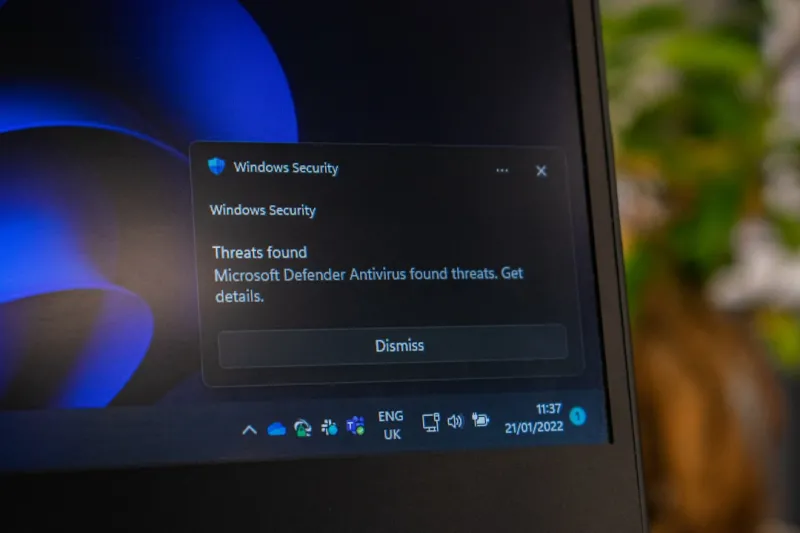
Security has always been a moving target, and 2026 is no exception. Microsoft’s “Zero Trust for the Desktop” initiative now rolls out continuous credential verification and hardware‑based attestation, which means every app you launch is instantly checked against a trusted baseline. This shift dramatically reduces the attack surface for sophisticated threats that previously slipped through traditional antivirus layers. For power users juggling multiple high‑value accounts—cloud services, source control, financial tools—the new Credential Guard Plus encrypts credentials in the TPM and isolates them from the OS, rendering credential theft nearly impossible. To stay on top of these changes, I regularly consult Critical Updates Every Power User Must Know, a curated list that highlights the most impactful patches each month. Ignoring these updates isn’t an option; a single missed patch can compromise the entire workflow, from code repositories to encrypted storage volumes.
Storage Strategy: Why Hard Drives Still Matter
Even with NVMe SSDs hitting blistering speeds, I still keep a set of high‑capacity hard drives in my arsenal. The reason is simple: raw capacity, cost per terabyte, and long‑term reliability still favor the mechanical platter for archival workloads. In my own rig, I allocate a 12 TB 7200 RPM drive for raw video footage and dataset backups, while the NVMe drive handles OS and active project files. This hybrid approach ensures that my day‑to‑day performance stays lightning‑fast, yet I never run out of room for massive files that would quickly balloon the cost of an all‑SSD build. For a deeper dive into why massive, reliable storage remains a power‑user essential, check out Hard Drives in 2026: Why Power Users Still Need Massive, Reliable Storage. The article walks through real‑world scenarios where a well‑planned HDD strategy saves both time and money.
Memory Management: Taming RAM Crashes
RAM has become more affordable, yet many power users still encounter mysterious crashes that can cripple productivity. In my experience, the culprit is rarely a defective module; it’s often a combination of aggressive overclocking, mismatched timings, and Windows’ memory compression algorithms. Windows 12 introduces a smarter memory manager that dynamically adjusts compression thresholds based on workload type, reducing the need for excessive paging. However, when you push 64 GB of DDR5 to its limits with 5 GHz frequencies, you need to fine‑tune the BIOS and keep the OS updated. My go‑to resource for troubleshooting these headaches is Why Your RAM Keeps Crashing and How to Fix It, which outlines step‑by‑step diagnostics and the latest driver patches that stabilize high‑frequency memory. By following those guidelines, I’ve cut my crash rate from one per week to virtually none, freeing up valuable time for creative work.
Motherboard Mastery: The Unsung Hero
When building a power‑user PC, the motherboard is the silent conductor that determines how well all components harmonize. In 2026, the rise of PCIe 5.0 and the early adoption of PCIe 6.0 have made motherboard selection more critical than ever. I gravitate toward boards that offer robust power delivery, dual‑chipset configurations, and ample M.2 slots with heat spreaders—features that prevent throttling during extended rendering sessions. Additionally, the new “Integrated AI Acceleration” modules on flagship motherboards offload certain machine‑learning inference tasks from the CPU, shaving seconds off model training loops. For a thorough explanation of why motherboard choice can make or break a power‑user build, see Why Motherboards Matter More Than Ever for Power Users. Investing a bit more up front ensures stability, future‑proofing, and the ability to leverage every ounce of performance Windows 12 offers.
AI‑Assisted Development: Windows as a Partner
The AI wave has transformed how we write code, and Windows 12 is the perfect partner for this new workflow. Built‑in support for the latest AI‑accelerated APIs—such as DirectML and Windows Machine Learning (WinML)—means developers can embed inference engines directly into their applications without third‑party libraries. I use the new “AI‑Code Companion” in Visual Studio, which offers context‑aware suggestions, auto‑generates boilerplate, and even predicts potential bugs before I compile. These capabilities are tightly integrated with Windows Security, ensuring that AI models run in isolated containers to protect sensitive data. The result is a dramatic boost in development velocity: what used to take hours of manual tweaking now happens in minutes, letting me focus on architecture and innovation. Pairing this with the OS’s dynamic resource allocation guarantees that my laptop and desktop can both serve as capable AI workstations without sacrificing battery life or thermal headroom.
Networking for the Modern Power User
Fast, reliable networking has become non‑negotiable as remote collaboration and cloud‑based pipelines dominate the workflow. Windows 12 introduces “Adaptive Network QoS,” which automatically prioritizes latency‑sensitive traffic—such as real‑time audio/video streams and code pushes—to the fastest available interface, whether that’s a 10 GbE Ethernet or Wi‑Fi 7 connection. I’ve also built a future‑proof home network using a mesh of Wi‑Fi 7 access points, each managed through the Windows Network Dashboard. This setup provides seamless handoff as I move between rooms, ensuring my large file transfers never stall. For those looking to replicate a resilient network architecture, the guide Designing a Future‑Proof Home Network for Power Users walks through equipment selection, VLAN configuration, and security best practices that keep both data and privacy intact.
Selecting the Right OS Flavor for 2026
Even within the Windows ecosystem, choosing the right edition can make a huge difference for power users. While Windows 12 Pro offers the core set of features—BitLocker, Hyper‑V, and advanced group policies—Windows 12 Enterprise adds deeper management controls, longer support windows, and the coveted “Windows Insider for Business” program that provides early access to upcoming features. I opted for Enterprise because it aligns with my need for granular policy enforcement across multiple machines, especially when I’m running virtual labs for security testing. The decision isn’t always straightforward, which is why I often reference Choosing the Right Operating System for Power Users in 2026. That article breaks down the trade‑offs between editions, licensing models, and the specific workloads each is optimized for, helping you make an informed choice that maximizes both performance and ROI.
Looking Ahead: Staying Agile in a Rapidly Changing Landscape
Windows has proven its resilience by evolving alongside the hardware and software breakthroughs that define the modern power‑user experience. As we head deeper into 2026, I expect to see further integration of AI, more granular security controls, and an even tighter coupling between the OS and next‑gen peripherals like quantum‑ready accelerators. My advice to fellow enthusiasts is simple: stay curious, keep your system updated, and never underestimate the value of a well‑balanced hardware stack. By treating Windows as an extensible platform—one that you can shape with the right updates, tools, and configurations—you’ll stay ahead of the curve no matter what the tech horizon throws your way. If you’re ready to future‑proof your workflow, dive into the linked resources, experiment with the new features, and share your findings with the community. The power‑user journey is a marathon, not a sprint, and Windows is the reliable partner that’ll keep you moving forward.