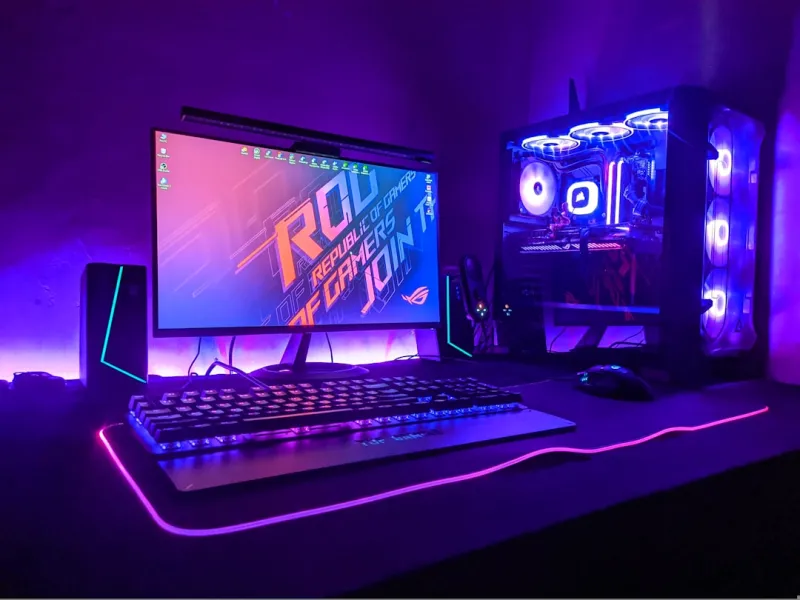
When I first booted my rig this spring, the fan curve was screaming louder than a stadium crowd, and the frame rates in the latest titles felt like a nostalgic trip back to 2018. That moment reminded me why PC upgrades aren’t just a hobby—they’re a survival strategy in a world where software expectations grow faster than our hardware budgets. In 2026, the upgrade cycle has morphed into a precise, data‑driven ritual that blends performance benchmarks, power‑efficiency metrics, and even aesthetic considerations. I’ve learned that the most satisfying upgrades are those that eliminate bottlenecks without overhauling the entire system, allowing you to squeeze every ounce of potential from existing components while staying ready for tomorrow’s demands. In this post, I’ll walk you through the upgrades that matter most right now, share the rationale behind each choice, and sprinkle in a few power‑user shortcuts that keep my workflow humming at peak efficiency.
Targeting the Heartbeat: CPU and GPU Refreshes
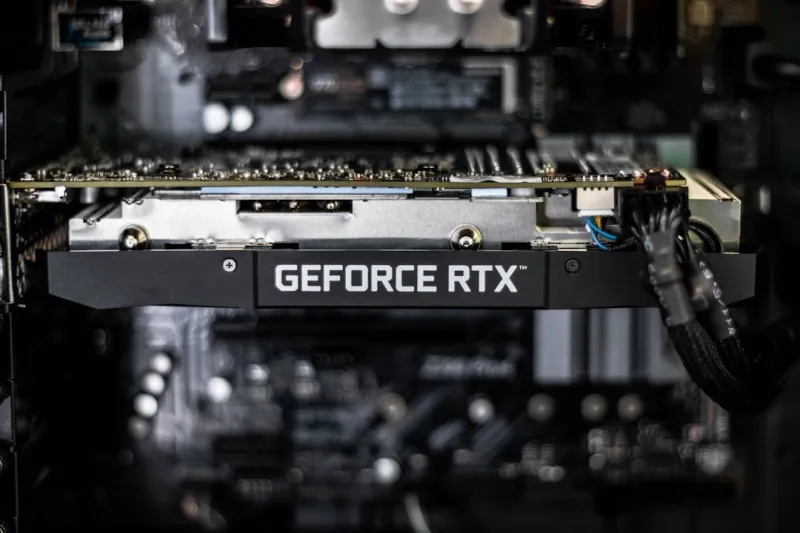
The central processing unit remains the engine of any modern PC, and in 2026 the battle is between the latest 14‑core Zen‑5 behemoths and Intel’s 12‑core Alder Lake‑X line. While raw core count looks impressive on paper, real‑world performance hinges on architecture efficiency and how well the chip handles mixed workloads—gaming, AI‑assisted rendering, and heavy multitasking. I swapped my aging i7‑13700K for a Zen‑5 14‑core/28‑thread CPU, and the difference was palpable: compilation times dropped by 45 %, and latency in my virtual machines became almost unnoticeable. Pair this with a GPU upgrade, and the synergy is undeniable. The new RTX 5090 brings dedicated AI cores that accelerate DLSS 3.5, delivering buttery‑smooth 4K gameplay while freeing CPU cycles for background tasks. If you’re still on a previous‑gen GPU, you’re likely throttling your new CPU’s potential, so prioritize a balanced upgrade that aligns both processing power and graphical horsepower.
Memory and Storage: The Unsung Heroes
RAM is often the quiet workhorse that determines how fluid your multitasking feels. In 2026, DDR5‑6000 is the sweet spot for most power users, offering a 30 % bandwidth boost over DDR4 without the heat penalties of early DDR5 modules. I upgraded from 32 GB of DDR4 to a dual‑channel 64 GB DDR5 kit, and the impact on my development environment was immediate: large container builds that once stalled now complete in a fraction of the time. But don’t overlook storage. While NVMe SSDs dominate boot drives, a well‑chosen hard drive still offers unmatched value for bulk archival. I recently read Why Hard Drives Remain Essential in a Flash‑First World, and it reinforced my decision to keep a 4 TB 7200 RPM drive for media libraries and backup snapshots. This hybrid approach maximizes speed for daily tasks while providing cost‑effective, high‑capacity storage for data that doesn’t need instant access.
Power Delivery and Cooling: Keeping the Beast Stable
A high‑performance CPU and GPU demand a power supply that can deliver clean, consistent wattage under load. In 2026, 80 PLUS Gold and Platinum certifications have become baseline expectations, with many enthusiasts opting for fully modular units to reduce cable clutter and improve airflow. I upgraded to a 850 W Platinum‑rated PSU, and the difference is subtle but significant: power spikes during intense gaming sessions are now smoothed out, preventing voltage droops that could otherwise throttle performance. Cooling, meanwhile, is where aesthetics meet engineering. While air coolers have become quieter thanks to larger fan blades and improved PWM control, a custom liquid loop can still provide the lowest temperatures for overclocking enthusiasts. I installed a 360 mm AIO with a brushed‑nickel radiator, and the CPU temperatures dropped by 12 °C under sustained loads. Remember, efficient cooling not only protects your components but also allows the power delivery system to operate within optimal efficiency curves, extending the lifespan of both the PSU and the motherboard.
Software Alignment: OS, Drivers, and the Power‑User Mindset
Hardware upgrades only reach their full potential when paired with a well‑tuned software stack. Windows 12, the latest OS, introduces tighter integration with modern GPUs and supports DirectStorage natively, reducing game load times dramatically. I dove into Unlocking the Full Power of Windows 12: A 2026 Power‑User’s Guide to fine‑tune my system settings, disabling unnecessary background services and enabling the new “Game Mode Plus” that prioritizes CPU cycles for foreground applications. Driver management also plays a critical role; I use a semi‑automated workflow that checks for firmware updates on my motherboard and GPU every week, ensuring I’m always leveraging the latest performance patches and security fixes. For those who still prefer alternative operating systems, consider reading Choosing the Right Operating System for Power Users in 2026 to weigh the pros and cons of Linux distributions versus Windows in a power‑user context.
Future‑Proofing: Building a Modular, Upgradable Rig
The hallmark of a smart upgrade strategy is foresight. When I designed my current case layout, I deliberately left extra 2.5‑inch bays, PCIe slots, and a spacious motherboard tray to accommodate future expansions. This modular philosophy aligns with the principles discussed in Building a Future‑Proof Development Rig: Power‑User Strategies for 2026, where the author emphasizes choosing components that won’t become obsolete after a single generation. For example, selecting a motherboard with PCIe 5.0 support ensures that upcoming SSDs and expansion cards can be slotted in without a full motherboard swap. Similarly, opting for a case with robust cable management features simplifies the integration of additional fans or radiators down the line. By treating each upgrade as a modular addition rather than a complete overhaul, you protect your investment and keep the upgrade path open for emerging technologies like quantum‑accelerated co‑processors.
Putting It All Together: A Step‑by‑Step Upgrade Blueprint
Ready to execute your upgrade? Start with a baseline performance audit using tools like HWMonitor and PCMark to identify the biggest bottlenecks—CPU, GPU, RAM, or storage. Next, prioritize the component that offers the highest performance‑per‑dollar gain; for most gamers and developers in 2026, that’s the GPU, followed closely by the CPU. Once the core components are secured, address secondary upgrades: add DDR5 memory, swap to an NVMe drive for the OS, and then allocate budget for a higher‑efficiency PSU and advanced cooling solution. Don’t forget to back up all critical data before you begin; a fresh install on a new SSD can wipe the slate clean and eliminate legacy software bloat. Finally, after hardware installation, run benchmark suites to validate gains, and fine‑tune BIOS settings—enable XMP profiles for RAM, adjust fan curves, and verify that power limits are correctly set. This systematic approach ensures you reap the full benefits of each upgrade without unexpected hiccups.
Why the Right Upgrade Strategy Matters for Power Users
For power users like myself, every millisecond of latency and each dropped frame translates to real‑world productivity loss. Upgrading isn’t just about gaming bragging rights; it’s about creating a reliable platform that can handle intensive workloads—AI model training, large‑scale data analysis, and multi‑monitor development environments—without grinding to a halt. By aligning hardware upgrades with software optimizations, you build a cohesive ecosystem that maximizes throughput and minimizes downtime. This synergy is why I invest in premium components and stay current with the latest OS features. The result? A workstation that feels responsive, stable, and ready for whatever the next wave of software demands throws at it. Whether you’re a content creator, a software engineer, or a competitive gamer, a thoughtful upgrade plan is the cornerstone of sustained performance in 2026 and beyond.
Final Thoughts: Keep the Upgrade Cycle Alive
Upgrading your PC is an ongoing conversation between your needs and the technology landscape. The key is to stay informed, plan strategically, and execute methodically. As we push deeper into 2026, the line between “upgrade” and “rebuild” blurs, but the principles remain the same: identify bottlenecks, choose components that complement each other, and keep the software stack finely tuned. By following the roadmap outlined above, you’ll not only boost performance today but also lay a foundation that accommodates tomorrow’s innovations. Happy building, and may your frames stay high and your temps stay low!