Every power‑user knows that the feeling of a sluggish desktop is more than a minor inconvenience—it’s a productivity roadblock. In 2026, the hardware landscape has matured enough that the right upgrade can feel like strapping a jet engine onto a bicycle. I’ve spent the last decade tinkering, testing, and documenting every component’s real‑world impact, and today I’m sharing the playbook that helped me shave minutes off compile times, cut render frames in half, and finally stop the dreaded “out of memory” warnings during heavy multitasking. The secret isn’t just buying the newest gizmo; it’s building a balanced ecosystem where each part amplifies the other. So whether you’re a developer, a content creator, or a data‑hungry analyst, this guide will walk you through the upgrades that matter most right now, and why waiting for “the next big thing” might actually cost you more time—and money—than you think.
The Core of Your Machine: CPU & Motherboard
The CPU is still the brain of the operation, and in 2026 the options are both dazzling and confusing. AMD’s latest Zen 5 processors deliver impressive IPC gains, while Intel’s 14‑nm successor pushes higher clock speeds with a refined hybrid architecture. My personal workflow—compiling massive codebases, running virtual machines, and streaming high‑resolution video—benefits most from a CPU that can juggle multiple threads without throttling. A good rule of thumb: aim for at least 16 cores with a base clock north of 3.5 GHz if you want to stay ahead of the curve for the next five years. Pair that with a chipset that doesn’t bottleneck performance, and you’ve got a foundation that can handle anything you throw at it.
Equally critical is the motherboard, which acts as the central nervous system for every upgrade you’ll ever make. Modern boards now ship with PCIe 5.0 lanes, robust VRM designs, and built‑in Wi‑Fi 7, turning them into the power‑user’s engine for future‑proof performance. I’ve seen too many builds crumble under the weight of a cheap, under‑powered board, leading to stability issues and missed upgrade windows. By investing in a high‑quality modern motherboard, you secure not only today’s performance but also a clear path for next‑gen GPU, SSD, and even CPU upgrades without a complete system overhaul.
Memory, Storage, and GPU: The Performance Trifecta
When it comes to RAM, the transition from DDR5 to the emerging DDR6 standard is subtle but significant. DDR5‑5600 kits already provide ample bandwidth for most tasks, but DDR6‑7200 pushes data transfer rates high enough to keep up with AI‑accelerated workloads and large‑scale simulations. In my experience, moving from 32 GB to 64 GB of high‑speed memory eliminates the dreaded “page file thrashing” that can cripple productivity during intensive multitasking. If you’re still on 16 GB, the upgrade will be felt almost immediately, especially when running multiple VMs or heavy IDEs.
Storage is where many users still cling to outdated habits. While NVMe SSDs have become the norm, the debate between opting for a massive SATA array versus a high‑capacity PCIe 5.0 drive continues. I’ve adopted a hybrid approach: a 2 TB PCIe 5.0 SSD for OS and active projects, complemented by a set of intelligently managed drives for archival and less‑frequent access. To get the most out of this setup, consider the hard‑drive strategies that align tiered storage with workflow demands—keeping hot data blazing fast while preserving budget for bulk storage.
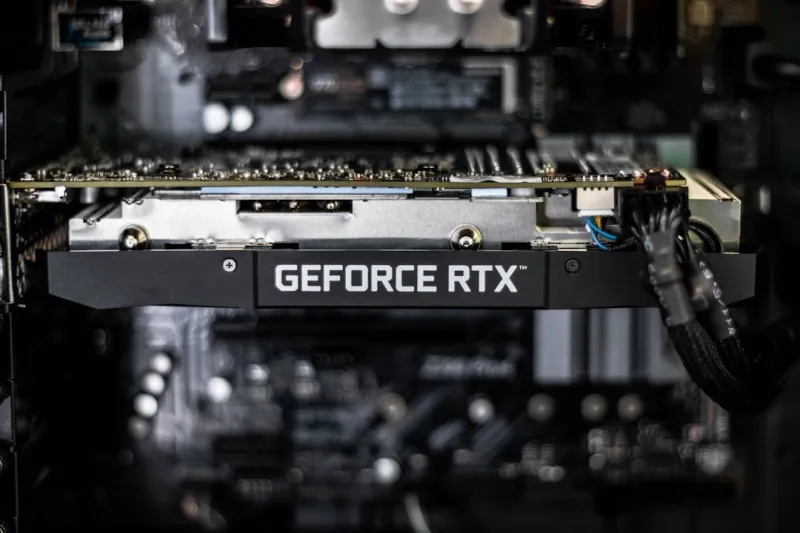
The GPU, once the exclusive playground of gamers, now powers everything from real‑time ray tracing in video editing to AI inference in data science. Nvidia’s RTX 5090 and AMD’s Radeon 7900 XTX both boast massive tensor cores and ray‑tracing units, but the real differentiator is driver stability and software ecosystem integration. For a power‑user, I recommend a GPU that supports hardware‑accelerated video encoding (NVENC or AMF) and has a robust CUDA or ROCm stack, ensuring that applications like Blender, DaVinci Resolve, and TensorFlow can fully leverage the silicon. Pairing a 16‑GB VRAM card with a fast CPU and ample RAM creates a symbiotic trio that can handle 8K editing, complex simulations, and deep‑learning model training without breaking a sweat.
Power, Cooling, and Longevity
Never underestimate the role of a reliable power supply and effective cooling in a high‑performance build. A quality 850 W 80+ Platinum PSU gives you headroom for future GPU upgrades and ensures clean, stable power delivery—critical for both CPU overclocking and GPU boost stability. Meanwhile, cooling solutions have evolved beyond basic air coolers; AIO liquid coolers with 360 mm radiators now offer silent, sub‑30°C operation under full load. I’ve migrated to a dual‑loop system that separates CPU and GPU cooling, reducing thermal crossover and extending component lifespan. Additionally, consider a case with excellent airflow and modular cable management; the reduced clutter not only looks professional but also improves air movement, keeping temperatures low and components humming quietly for years.
Future‑Proof Strategies for 2026
Future‑proofing isn’t about buying the most expensive parts today; it’s about making strategic choices that maximize upgrade flexibility and protect your investment. Modular platforms—like motherboards with abundant PCIe slots, support for both DDR5 and DDR6, and multiple M.2 bays—allow you to add or swap components without a full rebuild. I also recommend a phased upgrade plan: start with a strong CPU and motherboard, then stagger RAM, storage, and GPU upgrades as budgets allow. This approach keeps performance gains steady and avoids the “all‑or‑nothing” expense trap. For a deeper dive into how to align each upgrade with long‑term goals, check out the comprehensive guide on future‑proof PC upgrades, which walks you through budgeting, component compatibility, and timing.
In the end, the best upgrade strategy is the one that aligns with your specific workflow, budget, and growth trajectory. By focusing on a balanced CPU‑motherboard foundation, scaling memory and storage intelligently, and choosing a GPU that doubles as an AI accelerator, you create a machine that feels fast today and stays relevant tomorrow. Remember, the goal isn’t just raw benchmarks—it’s a smoother, more reliable daily experience that lets you concentrate on creation rather than troubleshooting. So, grab that new motherboard, slot in those extra gigabytes of RAM, and watch your productivity soar—because in 2026, the right upgrades can transform a decent workstation into a true power‑user’s dream machine.