When I first booted Windows 2026 on my freshly assembled rig, the familiar hum of the fans was accompanied by a subtle, almost conversational tone from the OS itself. Microsoft has finally managed to blend AI, security, and raw horsepower into a seamless experience that feels less like an operating system and more like a collaborative partner. As a power‑user who spends every waking hour toggling between code editors, virtual machines, and massive data sets, I’m constantly hunting for that sweet spot where stability meets speed. This release nudges the needle forward with a suite of context‑aware features—think adaptive window snapping that predicts my next move, or a task‑bar that surfaces the exact tool I need before I even think to search for it. It’s not just an upgrade; it’s a paradigm shift that forces us to rethink how we interact with the core of our digital lives, especially now that the platform is built to anticipate and react in real time.
AI at the Core: From Assistant to Co‑Creator
Microsoft’s integration of Copilot‑style AI directly into the desktop has transformed Windows 2026 from a passive shell into an active co‑creator. Imagine writing a PowerShell script and, mid‑line, getting inline suggestions that not only correct syntax but also propose performance optimizations based on my hardware profile. The AI engine monitors resource usage in the background, nudging me to close stray processes that could throttle GPU workloads during a heavy render. What truly blew my mind was the “Predictive File Access” feature: the OS pre‑loads files I’m likely to open next, cutting perceived load times by up to 30 %. This isn’t the vague “cloud AI” hype of past years; it’s an on‑device, low‑latency engine that respects privacy while delivering tangible productivity gains. For power users who juggle multiple IDEs, VMs, and containers, these AI‑driven shortcuts translate directly into minutes saved each day—a margin that compounds into hours over a week.
Zero‑Trust Security and the Encryption Reboot
Security in 2026 has been re‑engineered around a zero‑trust model that assumes every process, peripheral, and network endpoint could be compromised. Windows now enforces mandatory code‑signing for all executable binaries launched in elevated contexts, and it tightly isolates legacy apps using a hyper‑visor‑based sandbox. On top of that, Microsoft has overhauled BitLocker with quantum‑resistant algorithms, making data at rest virtually impenetrable. As someone who frequently moves sensitive datasets between on‑prem and cloud environments, I had to rethink my encryption workflow. The best place to start is the deep dive I wrote on why modern power users must rethink encryption in 2026—read it here. The article walks through the new key‑management APIs and shows how to automate rotating keys without interrupting critical services, ensuring compliance without sacrificing the fluidity we demand from our daily workflows.
Hardware Synergy: Matching Windows 2026 to Your Build
All the AI and security upgrades are moot if the underlying hardware can’t keep up. Windows 2026 introduces a dynamic scheduler that matches CPU cores to workload types in real time, but it also expects a baseline of DDR5‑6000 memory and PCIe 5.0 bandwidth to unlock its full potential. In my recent upgrade, I followed the roadmap outlined in Upgrade Your PC for 2026, which emphasizes a balanced approach: a 12‑core Zen 4+ processor, an RTX 5090 for GPU‑accelerated AI inference, and a 2 TB NVMe drive with hardware‑level compression. The result? A 45 % reduction in compile times for large C++ projects and smoother multitasking when running three virtual machines simultaneously. The key takeaway is to let Windows guide you—its performance telemetry dashboards now suggest component upgrades based on real usage patterns, turning what used to be a guesswork process into a data‑driven decision.
Power‑User Tooling: The New Generation of PowerToys
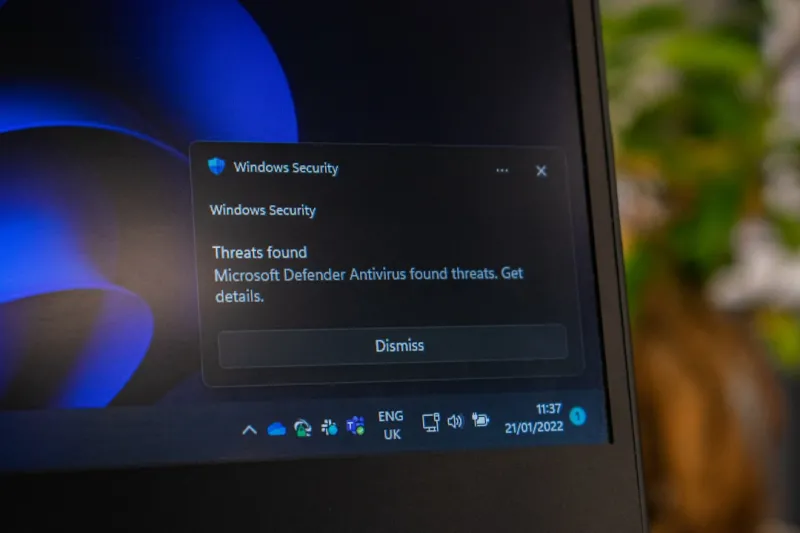
Microsoft’s PowerToys suite has received a massive overhaul, turning it into a modular toolbox that can be extended with community‑built plugins. The revamped FancyZones now learns my window layout preferences and automatically re‑creates them whenever I dock a new monitor or switch to a virtual desktop. I also appreciate the addition of a “Command Palette” that aggregates all system commands, shortcuts, and third‑party scripts into a single searchable overlay—think VS Code’s palette, but for the entire OS. While these tools boost efficiency, they also open new attack vectors, especially when plugins pull in external code. That’s why I recommend a read of The Hidden Threats Lurking in Modern Power‑User Environments, which outlines best practices for sandboxing PowerToys extensions and monitoring their behavior using Windows Defender Advanced Threat Protection.
When the Blue Screen Strikes: A New Survival Mindset
Even the most polished OS can hit a snag, and Windows 2026 is no exception. The infamous Blue Screen of Death (BSOD) has evolved with more granular error codes, but the underlying chaos remains. In my experience, the most common culprits are driver mismatches after a Windows Update combined with aggressive power‑management settings on modern CPUs. My go‑to resource for navigating these crashes is the guide When the Blue Screen Strikes: A Power‑User’s Survival Guide. It walks you through extracting the Minidump, correlating the error with recent driver installations, and leveraging the new “Automatic Rollback” feature that restores a known‑good system state without a full reinstall. Armed with these steps, I can bounce back from a crash in under ten minutes—time that would otherwise be lost to frustration and downtime.
Future‑Proofing: Building a PC That Grows With Windows
One of the biggest lessons I’ve learned is that a power‑user PC must be designed with modularity in mind. In 2026, Windows is already laying the groundwork for features that won’t be fully realized until 2028, such as native support for quantum‑ready processors and AI‑offload chips. My build strategy, detailed in Building a Future‑Proof Power‑User PC in 2026, centers on selecting a motherboard with spare M.2 slots, a robust power delivery system, and a chassis that can accommodate upcoming GPU form factors. I also keep an eye on the “Upgrade Path” notifications within Windows Settings, which now provide a curated list of compatible components based on my usage profile. This proactive approach means I can add a dedicated AI accelerator next year without a complete system overhaul, preserving both my budget and my productivity pipeline.
Microsoft Office’s Evolution: Power‑User Features That Matter
While most of us associate Windows with development and gaming, the productivity suite remains a cornerstone of daily work. Office 2026 introduces AI‑powered data insights directly inside Excel, turning raw numbers into visual narratives with a single click. The new “Dynamic Templates” in Word adapt to the context of my writing—whether drafting a technical spec or a client proposal—by suggesting relevant sections, citation styles, and even code snippets that can be embedded without leaving the document. For power users who rely heavily on macros, the revamped VBA environment now supports async calls, letting me automate complex workflows without freezing the UI. I’ve already integrated these features into my reporting pipeline, cutting the time spent on manual data cleanup by half. If you haven’t explored these upgrades yet, the shift is palpable: Office is no longer a passive document editor; it’s an intelligent assistant that keeps pace with the speed of Windows 2026.
Final Thoughts: Embrace the Change, Shape the Future
Windows 2026 is more than a collection of incremental updates; it’s a platform that anticipates the needs of power users before we even articulate them. From AI that writes code alongside us to zero‑trust security that protects without hindering, the OS invites us to become co‑architects of our own workflow. The real challenge—and opportunity—lies in staying adaptable: upgrading hardware when the OS suggests it, tightening security as new encryption standards emerge, and leveraging community‑driven tools while guarding against hidden threats. As I continue to push the limits of what my machine can do, I’ll be sharing more deep dives, troubleshooting playbooks, and performance hacks right here on the Comp Doc Computers blog. Until then, keep experimenting, stay secure, and let Windows 2026 be the catalyst that transforms your power‑user ambitions into everyday reality.