When I first powered up my Windows machine back in the early 2020s, I never imagined the operating system would evolve into the sophisticated, AI‑infused platform it is today. In 2026, Windows feels less like a static OS and more like a living, breathing ecosystem that anticipates my needs before I even articulate them. As a long‑time power user, I’ve watched the OS shed legacy baggage while embracing cutting‑edge hardware, and the result is a playground where productivity, creativity, and security intersect seamlessly. In this post I’ll walk you through the most compelling changes that have reshaped the Windows experience, from performance breakthroughs to AI‑driven workflows, and why you should be as excited as I am about the road ahead.
Performance Redefined: Harnessing Modern Hardware
One of the most palpable shifts in Windows 2026 is the way the OS talks to today’s heterogeneous processors. With the rise of hybrid cores—high‑efficiency and high‑performance clusters—Windows now dynamically schedules workloads in real time, delivering buttery‑smooth multitasking even when you’re juggling 4K video editing, virtual machines, and a handful of AI inference tasks. The revamped Windows Scheduler leverages the latest ARM‑based and x86_64 chips, ensuring that background services never steal the spotlight from foreground apps. Add to that the DirectStorage integration, which bypasses the traditional bottleneck of the CPU‑to‑GPU pipeline, and you get near‑instant texture streaming for games and professional 3D workloads alike. For power users who demand every ounce of their hardware’s potential, this isn’t just an upgrade; it’s a paradigm shift that lets us push the envelope without fearing thermal throttling or lag.
AI at the Core: Smarter Interactions and Automation
Windows 2026 isn’t just faster; it’s smarter. Built‑in AI services now sit at the heart of the OS, providing context‑aware suggestions, automated system tuning, and even predictive security alerts. The new Windows Copilot acts as a conversational assistant, capable of scripting routine tasks, generating PowerShell snippets, and optimizing power plans based on your usage patterns. What used to require hours of manual tweaking can now be achieved with a single voice command. Moreover, the AI‑accelerated File Explorer intelligently categorizes files, suggesting archiving or deletion based on relevance and redundancy. As someone who spends countless hours fine‑tuning configurations, I’ve found these AI helpers indispensable—they free up mental bandwidth for creative problem solving while ensuring the system stays lean and responsive.
Security in the Age of the Malware Surge
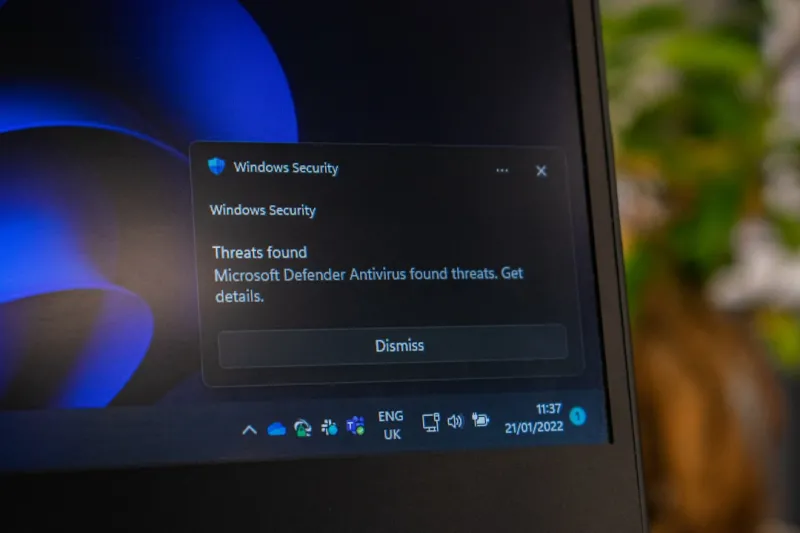
The cyber threat landscape has never been more aggressive. 2026 has seen a staggering spike in polymorphic ransomware and supply‑chain exploits, a trend I dissected in Inside the 2026 Malware Surge: How Power Users Can Stay One Step Ahead. Windows responded by tightening its defense-in-depth strategy, layering hardware‑rooted security with cloud‑driven threat intelligence. The revamped Windows Defender now employs on‑device AI models that detect anomalous behavior in milliseconds, isolating suspicious processes before they can exfiltrate data. Additionally, Secure Kernel Isolation and hardware‑enforced virtualization guard critical system components from tampering. For power users, the real win lies in the granular control panel that lets you sculpt security policies per application, ensuring that productivity tools stay nimble while high‑risk software is sandboxed. This balance of openness and protection is essential for anyone who pushes Windows to its limits.
Zero‑Trust and the Power‑User Fortress
Adopting a zero‑trust mindset has become second nature for anyone serious about safeguarding their digital kingdom. In my own setup, I’ve layered multi‑factor authentication, device compliance checks, and conditional access policies that gate every network request. The concepts I explore in Future‑Proof Your Digital Fortress: Power‑User Security are directly applicable to Windows 2026, where native support for passwordless sign‑ins and hardware‑based attestation makes the implementation smoother than ever. By leveraging Windows Hello for Business alongside Azure AD’s Conditional Access, you can enforce micro‑segmentation across local and cloud resources. The OS also surfaces detailed telemetry, allowing you to audit every credential flow and quickly quarantine compromised endpoints. For a power user, these tools aren’t just defensive—they’re an enablement platform that lets you experiment boldly, knowing the perimeter is actively monitored and hardened.
Storage Strategies: Hard Drives Still Have a Role
While SSDs dominate the consumer market, I still keep a reliable hard drive in my workstation for archival workloads. The article Why Hard Drives Remain Essential in a Fast‑Moving Storage Landscape highlights why the mechanical medium isn’t obsolete yet. Windows 2026 introduces smarter tiered storage management, automatically moving infrequently accessed files to high‑capacity HDDs without user intervention. This hybrid approach maximizes both speed and cost efficiency—your active projects reside on blazing‑fast NVMe, while massive media libraries, backups, and legacy datasets settle on a robust HDD array. The OS also now offers granular health monitoring for each drive, alerting you to impending failures before data loss occurs. For power users juggling terabytes of data, this seamless integration means you can keep the best of both worlds without sacrificing performance or peace of mind.
Developer‑Centric Enhancements: Beyond the Hype
Modern software development thrives on tooling that abstracts complexity while preserving control. Windows 2026 delivers a suite of developer‑friendly features—from integrated Linux subsystems with GPU passthrough to the refreshed Windows Terminal that supports multi‑pane layouts and dynamic theming. In Beyond the Hype: Practical Power‑User Strategies for Modern Software Development, I outline how these capabilities translate into real‑world productivity gains. For instance, the new WSL2 now leverages the same DirectStorage pipeline, letting you compile massive codebases in seconds. Combined with the built‑in container orchestration tools, you can spin up isolated environments for testing without the overhead of full VMs. These enhancements empower power users to iterate faster, experiment with emerging languages, and maintain a seamless workflow across Windows, Linux, and cloud platforms—all from a single, unified desktop.
Troubleshooting Memory: A Playbook for 2026
Even the most finely tuned system can encounter memory hiccups, especially when running AI workloads that demand gigabytes of VRAM and system RAM simultaneously. My go‑to resource for diagnosing such issues is the guide How to Diagnose and Fix Memory Issues in 2026: A Power‑User’s Playbook. Windows now ships with a revamped Resource Monitor that visualizes memory pressure in real time, correlating it with process‑level metrics and GPU allocation. Coupled with the new Memory Integrity feature, you can enforce strict isolation for critical services, preventing rogue applications from corrupting core memory structures. When a memory leak surfaces, the OS’s automated dump analysis pinpoints offending modules, allowing you to apply targeted patches or adjust allocation limits. This level of introspection ensures that even under heavy AI inference loads, your workstation remains stable and responsive.
Looking Ahead: The Power‑User’s Vision for Windows
Reflecting on the journey from Windows 10 to the current 2026 edition, it’s clear that Microsoft is no longer just delivering an operating system; it’s crafting an extensible platform that anticipates the evolving needs of power users. The blend of AI‑driven automation, granular security controls, adaptive performance scheduling, and intelligent storage management creates an environment where we can focus on creation rather than maintenance. As I continue to experiment with edge‑case scenarios—like real‑time AI video enhancement or large‑scale simulation clusters—I’m confident that Windows will keep expanding its toolkit to match our ambition. Stay tuned, stay curious, and remember: the best way to shape the future of Windows is by pushing its limits today.