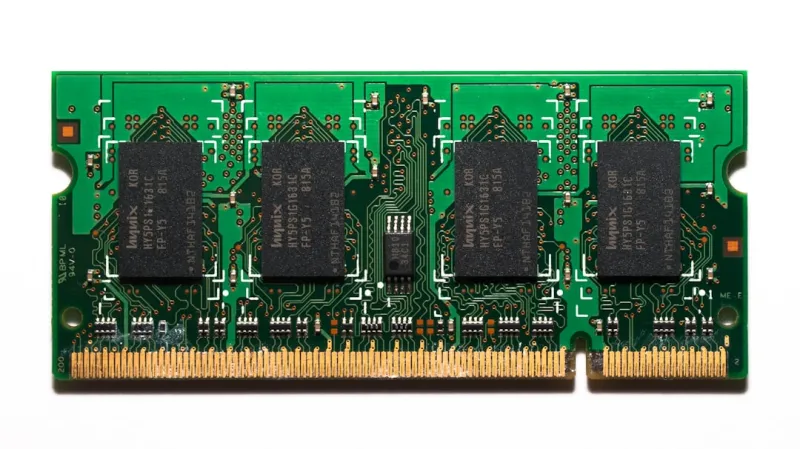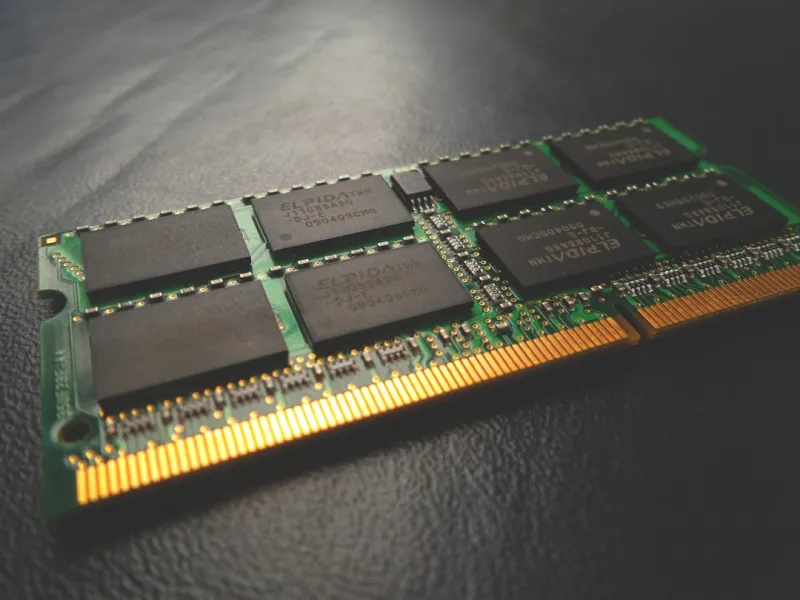
When my laptop started throwing “out of memory” errors during a routine data‑science pipeline, I knew the usual suspects—software bloat, rogue processes, or a misbehaving pagefile—were only part of the story. In 2026, the sheer horsepower of modern CPUs and the explosion of AI workloads mean that RAM has become the bottleneck we can’t afford to ignore. I’m going to walk you through my step‑by‑step troubleshooting ritual, from the low‑level BIOS checks to the high‑end stress tests that separate a flaky stick from a genuine hardware failure. Along the way, I’ll sprinkle in a few power‑user shortcuts that have saved me hours of downtime, because as any seasoned tech enthusiast knows, a systematic approach beats blind swapping every time.
Spotting the Symptoms Early
The first clue that something’s amiss with your memory is often a pattern of random crashes, blue screens, or inexplicable slowdowns when you launch memory‑hungry applications like large language model inference or video rendering suites. In 2026, Windows logs these events under the “MemoryDiagnostics‑Core” tag, and you can spot them in Event Viewer under System → Kernel‑Power. If you notice that the system freezes right after a sudden spike in RAM usage—say, when opening a 64‑GB dataset in Python—that’s a red flag. Don’t ignore the subtle “low memory” toast notifications that appear in the taskbar; they’re the OS’s way of saying it’s borrowing from the pagefile faster than it should. Keeping an eye on Task Manager’s Performance tab and noting the exact time stamps will help you correlate the crash with the workload that triggered it.
Running the Built‑In Windows Memory Diagnostic
The quickest way to get a preliminary read on your RAM health is to run the Windows Memory Diagnostic tool. Type mdsched.exe in the Start menu, choose “Restart now and check for problems,” and let Windows reboot into the diagnostic environment. In 2026, this utility has been tuned to detect DDR5 timing anomalies that earlier versions missed. After the test, Windows will display a result code in the Event Viewer; look for “MemoryDiagnosticInformation” entries that indicate “failed test.” Even if the tool reports “no errors,” don’t stop there—its surface‑level scans can miss intermittent failures that only appear under sustained load.
Deploying MemTest86 for Deep‑Dive Analysis
When the built‑in test comes up empty, I reach for AI computing strategies for 2026—specifically, the MemTest86 USB boot utility, which runs a battery of pattern‑based stress tests at the hardware level. Create a bootable USB drive, boot into MemTest86, and let it run at least three full passes (each pass can take 30‑45 minutes on a typical 16‑GB system). Pay attention to any “address test” or “random data sequence” failures; these are classic indicators of defective DRAM chips. If you have a multi‑module kit, test each stick individually by disabling the others in the BIOS. This granular approach isolates the culprit and prevents you from replacing an entire kit when only one module is faulty.
Checking BIOS/UEFI Settings and Firmware Updates
Modern motherboards in 2026 come with a plethora of memory‑related knobs: XMP profiles, voltage overrides, and frequency scaling. A misconfigured XMP profile—say, forcing DDR5‑5600 timings on a module rated for DDR5‑4800—can cause subtle instability that only shows up under heavy AI workloads. I always enter the BIOS, verify that the memory frequency matches the specifications on the DIMM label, and disable any “Extreme Memory Profile” tweaks unless you’re actively overclocking. Additionally, manufacturers release BIOS updates to improve compatibility with newer DRAM revisions; a quick check on the motherboard’s support page can save you from a night of debugging. After updating, clear the CMOS to ensure the new settings take hold, then re‑run MemTest86 to confirm stability.
Dual‑Channel and Mismatched Modules: A Common Pitfall
Many power users populate their rigs with a mix of old and new RAM to stretch budgets, but this can backfire. Dual‑channel operation requires identical capacity, speed, and latency for optimal performance. When you pair a 16‑GB DDR5‑4800 stick with a 32‑GB DDR5‑5600 module, the system may default to single‑channel mode or, worse, experience timing conflicts that manifest as random freezes. Use a tool like CPU‑Z to verify that your memory is indeed running in dual‑channel mode; the “Channels” field should read “Dual.” If you spot “Single” or “Asymmetric,” rearrange the modules according to the motherboard’s manual—usually alternating slots—and re‑run your benchmarks. Consistency is key, especially when you’re pushing the limits with large language model inference or real‑time video encoding.
Virtual Memory Tuning as a Temporary Band‑Aid
While you’re hunting down the faulty DIMM, you can mitigate crashes by adjusting the pagefile settings. In 2026, Windows automatically manages the pagefile size, but power users often benefit from a custom configuration. Set the pagefile to a fixed size equal to twice your physical RAM (e.g., 32 GB RAM → 64 GB pagefile) on a fast SSD, and place it on a separate drive from the OS if possible. This reduces the likelihood of “out of memory” dialogs during intensive tasks. However, remember that relying on virtual memory is a stopgap; it can’t replace the low‑latency bandwidth that RAM provides, especially for GPU‑accelerated AI workloads where data must shuttle between system memory and VRAM in microseconds.
Diagnosing Software‑Level Memory Leaks
Sometimes the hardware is fine, but a rogue application is leaking memory, exhausting available RAM over time. Use the built‑in Resource Monitor or third‑party tools like Process Explorer to track per‑process memory consumption. Look for processes whose “Private Working Set” steadily climbs without plateauing. In my experience, certain Python libraries—especially when interfacing with legacy C extensions—can leak memory if objects aren’t properly released. Running your code with tracemalloc or enabling gc.collect() at strategic points can expose the leak. Once identified, either patch the offending code, update the library, or isolate the workload in a container with capped memory limits to protect the host system.
Future‑Proofing Your Memory Setup
As we move deeper into 2026, DDR5 becomes the baseline, and DDR6 prototypes are already entering the market. If you’re building a new workstation, consider a motherboard that supports higher‑density DIMMs (up to 64 GB per slot) and has robust memory‑overclocking firmware. This not only gives you headroom for future AI models that demand terabytes of RAM but also ensures you can upgrade without swapping out the entire kit. Pair your RAM strategy with a solid cooling solution; high‑performance DDR5 modules can run hot under sustained loads, and thermal throttling can masquerade as memory errors. Finally, keep a watchful eye on the Windows 2026 power‑user playground community forums, where early adopters share firmware tweaks and stability reports that can give you a competitive edge.