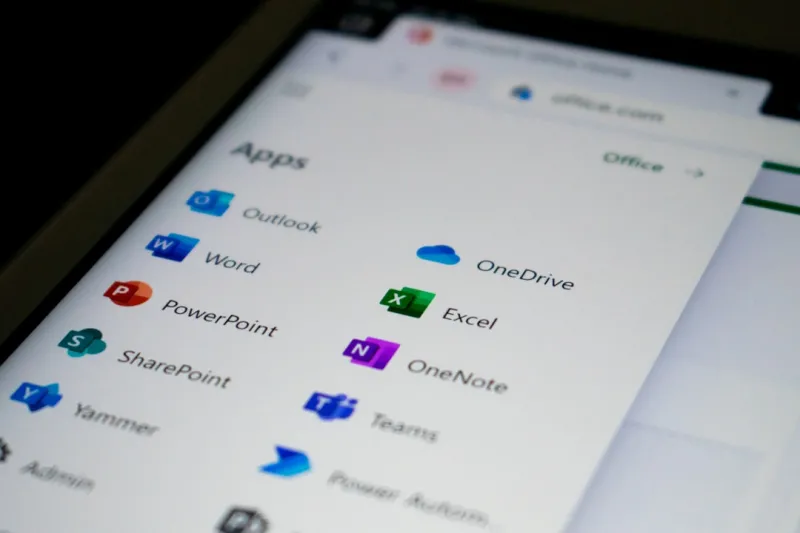
When I first laid eyes on the latest Microsoft Office rollout for 2026, I felt that familiar mix of excitement and skepticism that’s become my trademark as a tech enthusiast. After all, Office has been the backbone of my daily workflow for over a decade, and every new feature promises to reshape how we write, calculate, and present. This year, however, the conversation has shifted from “what can it do?” to “how intelligently does it think for me?” AI‑driven Copilot is no longer a gimmick; it’s a co‑author that drafts proposals, suggests data visualizations, and even flags potential compliance risks before they become a headache. In this post, I’ll walk you through the most compelling updates, share real‑world tricks that have already shaved hours off my schedule, and explain why the security upgrades are a game‑changer for anyone who treats their documents as mission‑critical assets.
The AI Copilot Evolution: From Helper to Partner
Microsoft’s AI Copilot has graduated from a polite assistant to an assertive partner that anticipates needs before you finish your sentence. In Word, Copilot can generate a full executive summary from a 30‑page report with a single prompt, preserving your voice while injecting industry‑standard terminology. In Excel, it doesn’t just suggest formulas; it builds complex models by analyzing patterns in your historical data, automatically creating what used to require a seasoned analyst. The real magic lies in the context awareness: when you paste a PowerPoint slide deck, Copilot suggests consistent branding, refines bullet points, and even recommends a data‑driven storyline that aligns with your audience’s preferences. For power users like me, the most valuable feature is the “smart edit” mode, where Copilot flags passive voice, redundant phrasing, and potential legal exposure, all while offering one‑click replacements. This level of proactive assistance means the line between drafting and polishing has effectively disappeared, letting you focus on strategic thinking rather than manual tweaks.
Collaboration Reimagined: Real‑Time, Secure, and Seamless
Collaboration has always been Office’s forte, but 2026 pushes the envelope with deeper Teams integration and granular permission controls. Real‑time co‑authoring now supports up to 100 simultaneous editors without the dreaded “document is busy” errors, thanks to a new peer‑to‑peer sync engine that distributes changes locally before committing them to the cloud. Security isn’t an afterthought either; you can now assign dynamic access levels that expire after a project’s deadline, automatically revoking edit rights while preserving a read‑only audit trail. The AI‑powered “Insight Hub” within Teams surfaces relevant sections of a shared workbook as you discuss key metrics, cutting down the back‑and‑forth of screen‑sharing. Moreover, the new “Secure Guest” feature lets external partners collaborate inside your Office environment without ever exposing your corporate directory, a crucial safeguard in today’s increasingly hybrid workspaces.
Fortifying Data: New Security and Compliance Layers
Data breaches have become headline news, and Microsoft has answered with a suite of security tools that feel native to Office rather than bolted on. The latest Information Protection engine uses AI to classify content in real time, applying encryption tags automatically when it detects personally identifiable information or financial data. DLP policies now extend to chat snippets in Teams, ensuring that confidential figures never leak in informal conversations. For regulated industries, the updated Compliance Manager provides a live dashboard that maps your Office activities against standards like GDPR, HIPAA, and CCPA, flagging gaps before an audit arrives. What I appreciate most is the seamless integration with Azure AD Conditional Access—if a user attempts to edit a sensitive document from an untrusted device, Office prompts for multi‑factor authentication or blocks the action outright, preserving the integrity of your most valuable assets.
Accessibility Gets a Smart Boost
Microsoft has taken accessibility from a compliance checklist to a core design principle, leveraging AI to make documents truly inclusive. In Word, the new “Live Caption” feature transcribes spoken commentary in real time, while “Read Aloud” now offers gender‑neutral voice options that adapt pronunciation based on context. Excel’s “Data Insights” panel can automatically generate alternative text for complex charts, describing trends in plain language for screen‑reader users. PowerPoint goes further with “Designer AI,” which suggests high‑contrast color schemes and layout adjustments to meet WCAG AA standards without manual tweaking. These enhancements not only help organizations meet legal obligations but also broaden audience reach—something I’ve seen first‑hand when presenting to mixed‑ability teams who can now consume content at the speed of their own needs.
Synergy with Windows 2026: A Unified Productivity Ecosystem
Office doesn’t exist in a vacuum; its power multiplies when paired with the latest Windows experience. The new AI‑driven desktop, detailed in Windows in 2026, offers predictive resource allocation that keeps Office apps buttery smooth even when you’re juggling dozens of tabs. Virtual desktops now remember which Office files you were working on, automatically reopening them when you switch contexts. Security updates roll out in tandem, ensuring that the same zero‑trust principles protect both your OS and your documents. For users who rely on multi‑monitor setups, the improved Snap Assist remembers your preferred layout for Word, Excel, and Teams, letting you jump back into a project with a single keystroke. This tight integration reduces friction and reinforces the notion that your productivity suite is an extension of the operating system, not a separate entity.
Power‑User Hacks: Shortcuts, Templates, and Add‑Ins You Can’t Miss
If you’re looking to squeeze every ounce of efficiency from Office, start with the hidden shortcuts that seasoned pros keep close to the chest. Pressing Ctrl + Shift + L in Excel instantly toggles filters across your dataset, while Alt + Shift + F10 in PowerPoint opens the “Slide Master” view without navigating the ribbon. Custom templates are another goldmine—download industry‑specific starter kits from Microsoft’s marketplace and adjust them with your branding in minutes. Add‑ins like “Power Automate Desktop” let you automate repetitive tasks across the suite, from routing approvals in Outlook to populating SharePoint lists from Excel rows. I’ve built a workflow that extracts data from incoming email attachments, validates it against a master spreadsheet, and then publishes a summary report to Teams—all without lifting a finger. The key is to treat Office not just as a set of apps, but as a programmable platform that can be molded to fit any business process.
Future‑Proofing Your Office Investment
Microsoft’s subscription model ensures you always have the latest features, but staying truly future‑ready requires a proactive mindset. First, enable “Auto‑Update” across all devices to capture security patches the moment they’re released. Second, invest in training—Microsoft Learn now offers micro‑credential courses that focus on AI Copilot mastery, advanced data modeling in Excel, and secure collaboration in Teams. Third, audit your add‑ins regularly; outdated extensions can become security liabilities, especially in an environment where AI is constantly learning from user behavior. Finally, consider integrating Office with a cloud‑based backup solution that snapshots every document change, giving you a safety net against accidental deletions or ransomware attacks. By treating Office as a living ecosystem, you’ll keep your workflow resilient, adaptable, and ready for whatever the next wave of productivity innovations brings.
Troubleshooting Common Pitfalls
Even the most polished suite can hit snags, especially when AI features clash with legacy macros or third‑party plugins. A frequent issue I’ve seen is Copilot lagging on older hardware; the fix is to clear the local cache and ensure you’re running the latest Windows build—see Essential PC Updates for a quick checklist. Another snag involves permission mismatches in Teams, where collaborators see a “read‑only” warning despite being granted edit rights. The solution typically lies in synchronizing Azure AD groups and confirming that conditional access policies aren’t inadvertently blocking the session. If you encounter inexplicable formatting glitches in Word, try resetting the Normal template; this often resolves hidden style corruptions. By keeping a systematic troubleshooting routine, you’ll spend less time firefighting and more time leveraging Office’s powerful new capabilities.
Closing Thoughts: Embrace the Intelligent Office Era
The 2026 edition of Microsoft Office feels less like an upgrade and more like a paradigm shift. AI isn’t just a feature; it’s the underlying engine that makes every document smarter, every meeting more productive, and every data set more insightful. As someone who lives at the intersection of technology and business, I can attest that the blend of advanced security, seamless collaboration, and accessibility enhancements makes this the most compelling suite we’ve seen yet. My challenge to you is simple: dive in, experiment with Copilot, tighten your security posture, and share your discoveries with the community. When you combine the power of Office with the robust foundations of Windows 2026 and a vigilant approach to updates, you’re not just keeping pace—you’re setting the pace for the future of work.