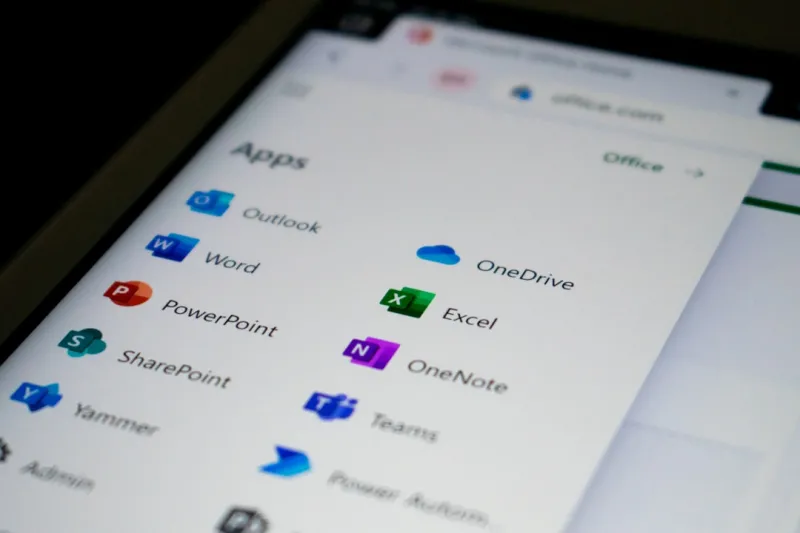
When I first opened Microsoft Office in the early 2000s, it felt like stepping into a digital workshop where every tool was a handcrafted hammer. Fast forward to 2026, and Office has morphed into a living, breathing ecosystem powered by AI, cloud sync, and an ever‑tightening security mesh. As a power‑user who juggles spreadsheets, presentations, and collaborative docs daily, I’ve learned to treat Office not just as a suite but as a strategic ally. The latest Copilot enhancements are the most visible change, but beneath the surface, there’s a cascade of subtle upgrades—dynamic data types in Excel, real‑time multilingual subtitles in Teams, and a revamped Outlook that predicts meeting outcomes before you even hit “send.” In this post, I’ll walk you through the features that truly matter for heavy‑duty users, share performance‑tuning tips that keep Office humming on a high‑end PC, and explain why a robust encryption mindset is now non‑negotiable for anyone handling sensitive corporate data.
AI‑Driven Copilot: Your New Creative Partner
Microsoft’s Copilot has transitioned from a novelty to an indispensable co‑author. In Word, it can draft entire sections of a report based on bullet points you provide, then suggest style tweaks that align with your organization’s brand guide. In Excel, the AI can generate complex formulas on the fly—just ask, “What’s the year‑over‑year growth for this product line?” and watch a nested IF statement materialize. Power‑users often worry that AI will bloat system resources, but with the 2026 performance optimizations (see Critical 2026 Power‑User Updates), Copilot runs largely on the cloud, offloading heavy computation from your local machine. That means you get the creative boost without sacrificing the speed you demand from a custom‑built rig. My personal workflow now starts with a quick prompt to Copilot, then I spend the bulk of my time refining the output, which cuts drafting time by roughly 40 %.
Collaboration Redefined: Real‑Time Multilingual Docs
One of the most transformative features in Office 2026 is the seamless, real‑time multilingual collaboration. When you co‑author a PowerPoint with colleagues across the globe, the platform automatically translates spoken comments into subtitles in the viewer’s native language. This isn’t a clunky after‑the‑fact translation—it’s an integrated layer that works as you speak, ensuring that brainstorming sessions stay fluid. The underlying AI also detects context, so technical terms stay accurate across languages. For teams that rely on Teams meetings, the new “Live Sync” mode merges chat, document edits, and whiteboard sketches into a single timeline, reducing the need to toggle between apps. I’ve found that this integration dramatically improves meeting efficiency; our weekly sprint reviews now finish 15 minutes earlier, freeing up more time for deep work. If you haven’t yet enabled live subtitles, head to the Settings > Accessibility panel and turn on “Auto‑Translate Subtitles.”
Security at the Core: Encryption and Compliance
Office’s security posture has been fortified to match the threat landscape of 2026, where ransomware and supply‑chain attacks are increasingly sophisticated. Every file stored in OneDrive or SharePoint now defaults to end‑to‑end encryption, and the encryption keys are managed through Azure Key Vault, giving you full control over who can decrypt a document. For power‑users handling confidential data, this means you can set granular policies—like requiring multi‑factor authentication before a macro runs or auto‑locking a workbook after five minutes of inactivity. The new “Secure View” mode in Word and Excel masks sensitive data unless the viewer has explicit clearance. I regularly cross‑reference my security settings with the guidance in Why Every Power User Needs a Robust Encryption Strategy Today to ensure I’m not leaving any loopholes. Remember, security isn’t a checkbox; it’s a continuous habit that starts with the tools you trust.
Performance Tweaks for the Power‑User PC
Even the most feature‑rich Office suite can feel sluggish on a machine that isn’t tuned for the workload. In 2026, the key is aligning Office’s resource usage with your custom PC build. First, enable the “Hardware Acceleration” toggle in Office Settings > General; this directs graphic‑intensive tasks—like high‑resolution PowerPoint transitions—to your GPU, freeing CPU cycles for data crunching in Excel. Second, allocate more RAM to Office processes via the Windows “Performance Options” panel; a minimum of 8 GB is recommended, but 16 GB or more gives you headroom for massive data models. Finally, keep your Office version on the “Insider Fast” channel if you crave early access to performance patches—just be prepared for occasional bugs. My own rig, detailed in Mastering the 2026 PC Build, runs Office with less than 2 seconds of startup latency, even with dozens of add‑ins active. The takeaway? Pair your hardware investments with these software tweaks, and you’ll notice a tangible boost in productivity.
Power‑User Add‑Ins: Extending Office’s Reach
One of the unsung heroes of the Office ecosystem is the vibrant marketplace of add‑ins that let you embed specialized functionality directly into Word, Excel, or Outlook. From data‑visualization tools like Power BI Tiles that refresh in real time, to AI‑driven citation managers that pull from scholarly databases, the possibilities are endless. As a developer, I’ve built a custom VBA macro that pulls live stock prices into an Excel dashboard, then uses Power Automate to email the report every morning. The secret to a stable environment is to vet each add‑in for performance impact and security compliance; look for those that support OAuth authentication and have a clear privacy policy. In my experience, limiting your add‑ins to fewer than ten high‑value extensions keeps Office responsive while still delivering the specialized capabilities you need.
Automation with Power Automate: Streamlining Repetitive Tasks
Automation is no longer a niche for IT departments; it’s a daily habit for power‑users. Power Automate lets you create “flows” that connect Office apps with external services—think automatically saving email attachments from Outlook into a SharePoint folder, then triggering an Excel macro to parse and summarize the data. In 2026, the platform introduced AI‑enhanced “suggested flows” that analyze your usage patterns and propose automations you might have missed. I’ve set up a flow that watches a Teams channel for keywords like “budget approval,” then drafts a pre‑filled Word template and routes it to the finance team for sign‑off. The result? A 70 % reduction in manual hand‑offs and a smoother audit trail. To get started, explore the “Templates” gallery in Power Automate and look for those tagged “Office 365” for seamless integration.
Future‑Proofing: Embracing the Cloud‑First Paradigm
As we look ahead, the distinction between desktop and cloud Office is blurring. Microsoft’s vision for 2026 and beyond is a “cloud‑first” experience where your files, settings, and even AI models travel with you across devices. This means that the next major update will likely be a server‑side enhancement that you’ll access instantly without reinstalling anything locally. For power‑users, this translates to a need for reliable, high‑speed internet and a backup strategy that mirrors your cloud environment. I recommend maintaining a local snapshot of critical files using Windows Backup combined with OneDrive’s “Files On‑Demand” feature—this ensures you can work offline without losing sync fidelity. Staying agile now positions you to leverage the upcoming wave of AI‑driven analytics and collaborative tools the moment they roll out.
Best Practices: A Checklist for Office Mastery
To wrap up, here’s a quick checklist that consolidates the key takeaways from this deep dive.
- Enable Copilot and explore its prompts daily.
- Turn on real‑time multilingual subtitles in Teams.
- Audit encryption settings and enforce MFA for macros.
- Activate hardware acceleration and allocate ample RAM.
- Curate a focused set of add‑ins with OAuth support.
- Build Power Automate flows for repetitive tasks.
- Maintain a hybrid backup strategy for cloud‑first resilience.
Following these steps will keep you at the cutting edge of Office productivity while safeguarding your data and performance. As always, stay curious, experiment with new features, and share your discoveries with the community—after all, the Office ecosystem thrives on collective innovation.