When I first booted a Windows machine back in the early 2010s, the experience felt like stepping into a sleek, promise‑filled future. Fast‑forward to 2026, and that promise has morphed into a living, breathing ecosystem that not only powers my daily grind but also fuels the AI‑driven projects I’m obsessed with. Windows 11 has become the quiet workhorse in my home office, the backbone of my gaming rig, and the platform where I test the latest AI models. It’s not just an operating system; it’s a constantly evolving canvas that adapts to the hardware breakthroughs and software paradigms of today. In this post, I’ll peel back the layers of Windows 11’s current dominance, explore how AI, security, and performance are reshaping its core, and give you a glimpse into what Microsoft might be cooking up next.
The UI Evolution: Familiar Yet Fresh
Windows 11’s interface has struck a balance that many other OS updates have missed: it feels modern without alienating longtime users. The centered taskbar, rounded corners, and new snap‑assist features give it a clean, minimalist vibe, while the underlying engine still respects the legacy shortcuts that power users swear by. What truly sets it apart in 2026 is the seamless integration of the Microsoft Store with third‑party apps, allowing me to pull down a design tool or a game in seconds without juggling installers. Even the built‑in widgets have become smarter, pulling contextual data from my calendar, weather, and even my AI assistants to keep me on track. This UI polish isn’t just skin‑deep; it reduces cognitive load, which translates to faster task completion—a subtle yet powerful advantage in a world where every second counts.
AI at the Core: From Copilot to Contextual Computing
Perhaps the most electrifying shift in Windows 11 is the deep‑seated AI integration that feels like a natural extension of the OS rather than an afterthought. With the rollout of Windows Copilot, I can ask my system to draft emails, generate PowerPoint outlines, or even debug code—all without leaving the desktop. The AI isn’t just a chatbot; it learns from my workflow, suggesting shortcuts, automating repetitive actions, and even optimizing power settings based on usage patterns. For developers, the AI Computing in 2026 article dives deep into how these capabilities are built on top of the OS’s native APIs, making it easier than ever to embed intelligent features directly into apps. In my own experiments, I’ve seen Windows 11 allocate GPU resources dynamically for AI workloads, keeping my gaming performance buttery smooth while training a small model in the background.
Security Reimagined: Zero Trust Meets Hardware Roots
Security has always been a cornerstone of Windows, but 2026 brings a paradigm shift with the marriage of zero‑trust principles and hardware‑based protections. The mandatory TPM 2.0 chip, combined with Microsoft’s Pluton security processor, creates a hardware root of trust that’s virtually impossible to spoof. Coupled with Windows Hello’s biometric advancements—now supporting multimodal authentication like facial recognition plus voice—my machine feels locked down without sacrificing convenience. The OS also introduces continuous integrity monitoring, alerting me in real time if a critical system file deviates from its known hash. These layers of defense are crucial as ransomware tactics become more sophisticated. For anyone curious about how these security upgrades interplay with AI, the piece How AI, Security, and Performance Are Redefining Modern Operating Systems offers a granular look at the synergy.
Performance Gains: Tuning the OS for Modern Hardware
Performance isn’t just about raw CPU clock speeds anymore; it’s about how intelligently the OS leverages every silicon advantage. Windows 11 now includes a refined scheduler that aligns thread placement with the architecture of hybrid CPUs, ensuring that performance cores handle demanding tasks while efficiency cores manage background processes. This translates to smoother multitasking when I’m juggling a video edit, a game, and a handful of AI inference jobs simultaneously. Additionally, DirectStorage’s integration has cut load times dramatically on SSDs, while the OS’s new memory compression algorithm frees up RAM for more active applications. The result is a system that feels responsive even under heavy load, a crucial factor when I’m testing neural network models that demand both CPU and GPU horsepower. If you’re building a new rig, checking out the Choosing the Right Motherboard in 2026 guide will help you pair the right chipset with Windows 11’s capabilities.
Roadmap Outlook: What Might Follow Windows 11?
Microsoft has been coy about a “Windows 12,” but the roadmap hints at an incremental evolution rather than a radical overhaul. Expect more AI‑centric features, tighter cloud integration via Azure, and an expanded focus on mixed reality workloads. Rumors suggest a “Unified App Platform” that will let developers write once and run across Windows, Android, and even Linux containers with minimal friction. For power users like me, this could mean a single environment for everything from coding to content creation, reducing the need for multiple machines. While the OS will likely retain the familiar shell we’ve grown to love, the underpinnings will become more modular, allowing Microsoft to push updates faster—something we’ve already started seeing with the bi‑annual feature drops. Keep an eye on the Why Windows 11 Still Rules in 2026 post for deeper analysis of upcoming features and how they’ll impact daily workflows.
Ecosystem Compatibility: The Legacy Advantage
One of Windows 11’s silent strengths is its commitment to backward compatibility. I still run a legacy finance application built for Windows 7, and thanks to the robust compatibility layer, it runs without a hitch. Meanwhile, the Microsoft Store has broadened its catalog, offering both modern UWP apps and classic Win32 programs side by side. This hybrid approach ensures that businesses can transition at their own pace while hobbyists like me enjoy the latest indie games without worrying about driver issues. The OS also supports Linux subsystems natively, letting me spin up a Debian environment for server testing directly within Windows. This versatility reduces the need for dual‑boot setups and streamlines my workflow, letting me switch contexts with a single click.
Practical Tips to Maximize Your Windows 11 Experience in 2026
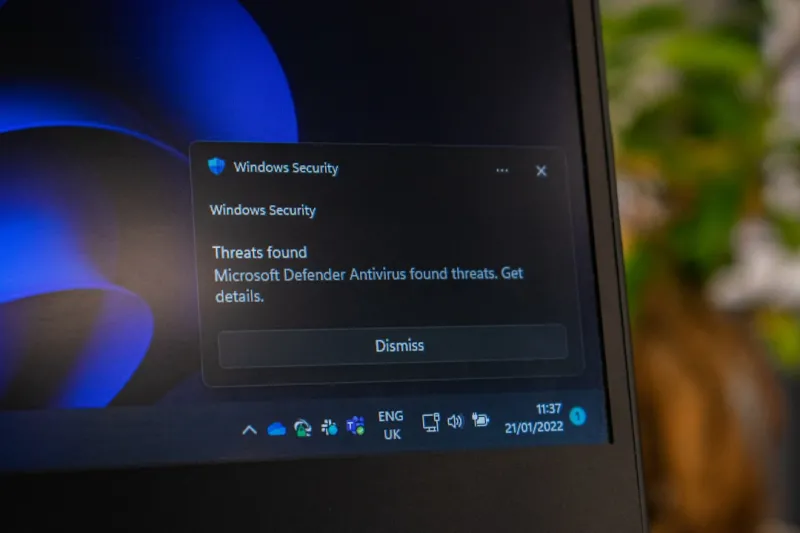
To squeeze every ounce of performance and security out of your Windows 11 machine, start by enabling the “Performance Mode” in Settings, which prioritizes foreground apps and disables non‑essential background tasks. Pair this with the latest driver updates from your GPU vendor to ensure AI workloads get the dedicated memory they need. Don’t overlook the power of the new “Dynamic Refresh Rate” feature—set your display to 120 Hz for gaming, then let it drop to 60 Hz when you’re reading or coding to conserve energy. Lastly, make use of Windows Security’s “Core Isolation” and “Memory Integrity” options; they add an extra layer of protection against firmware attacks. By following these steps, you’ll enjoy a smoother, safer, and more AI‑friendly Windows experience that keeps pace with the rapid advances we see in hardware and software alike.
Final Thoughts: Embracing the Continuous Evolution
Windows 11 in 2026 feels like a living platform that listens, learns, and adapts—qualities that were once the stuff of science‑fiction. From AI‑driven assistants that anticipate my needs to hardware‑level security that protects my data, the OS has become an indispensable partner in both work and play. As Microsoft continues to iterate, the line between operating system and intelligent ecosystem will blur even further, offering us tools that feel almost magical. My advice? Stay curious, keep your system updated, and experiment with the new AI features. The future of Windows isn’t a distant horizon; it’s the next update waiting in your notification center.